The biggest issue is that Bali cannot keep its own lights on. On May 2nd 2025, the entire island suffered a massive power failure. The lights were out for five to twelve hours across the whole province. This was a total system failure that affected every city and village. Hospitals scrambled for power and only a few hotels had emergency backup powers. The incident was caused by a problem with the underwater cables that carry energy from Java to Bali, proving that the island is too dependent on its larger neighbour for basic needs.
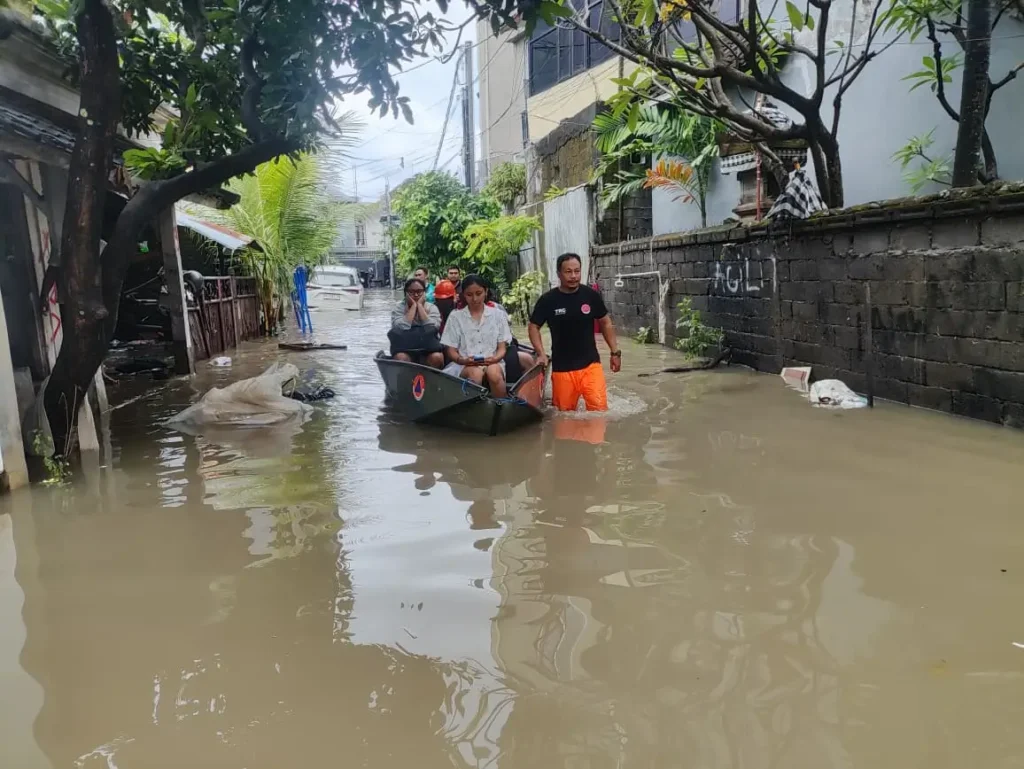
Rescuers evacuate victims from in Bali (2025) Source : Wikimedia Commons
Land use and change needs to be highlighted. There are increasing numbers of villas and businesses built on the coast. This unregulated growth is often pushed by foreign investors which hurts the local environment. Buildings now occupy lands which were once paddy fields as well, leaving rainwater on the surface left unsoaked. This resulted in a deadly flood in 2025 which claimed more than a dozen lives.
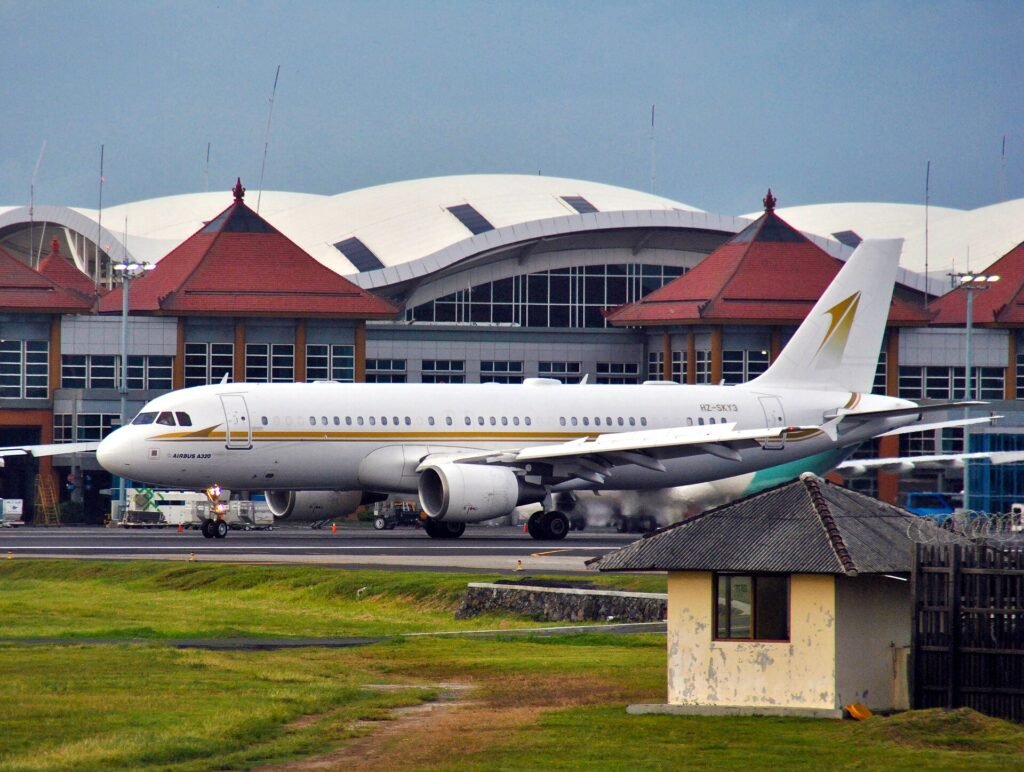
Transportation is another weak link. The island has only one international airport that handles over 23 million people. During peak season, sea traffic between Java and Bali increases by over 10 percent. If the airport were to face a problem or the bali strait blocked, there would be no easy way for residents to leave. This sharply contrasts with Dubai that is articulating a self driving transport and strategy map that involves cutting edge technology.
Gusti Ngurah Rai Airport. Source : Wikimedia Commons
To become a genuine safe haven, Bali must change its priorities. The focus must shift from marketing to engineering. First, the island must produce its own energy using local and renewable sources such as solar power. This would end its dangerous reliance on Java. Second, it needs more ways to move people, a second airport or developing the existing airport’s capacity. Third, any new luxury development should have its own independent power and water systems, aligning with the local regulations and social norms.
Benedictus Nathaniel Davin is an intern alumnus of CSIS Indonesia and a research assistant at the Centre for Business and Diplomatic Studies (CBDS). He has been admitted to postgraduate studies at UNSW Sydney, with research interests in political economy.