Trigger Warning: This article discusses sexual harassment, sexual violence, online abuse, and mentions of suicide.
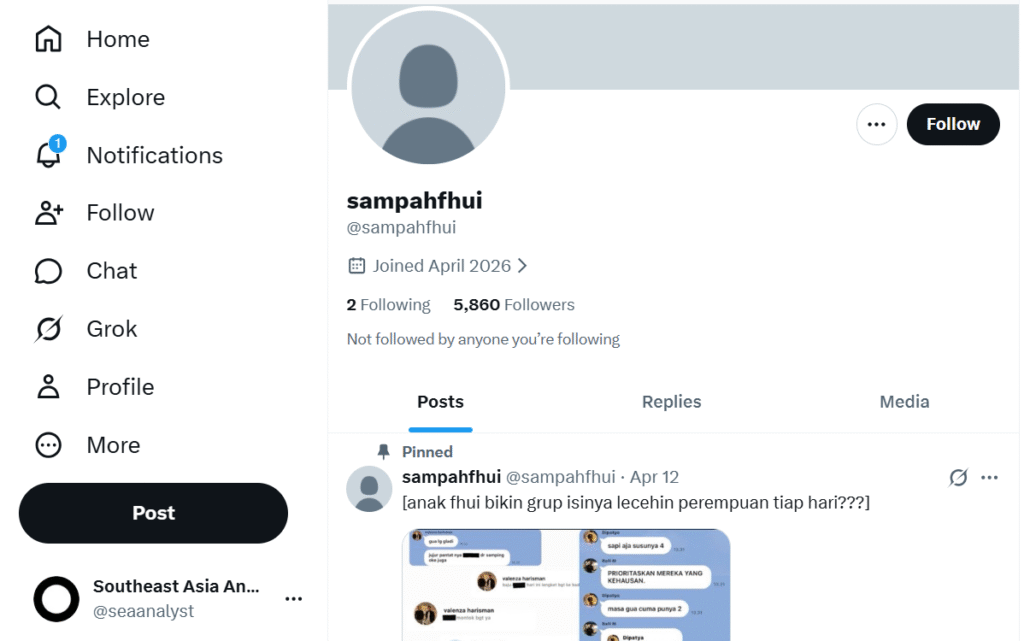
In the past month, Indonesia has been laser-focused on an online sexual harassment case involving 16 male students from the prestigious Law Faculty of Universitas Indonesia. A tweet by the X account @sampahfhui on 12 April 2026, exposed the students for being involved in a group chat that sexually degraded, harassed, and objectified female students and lecturers. The screenshots revealed them stating, ‘silence means consent’, joking ‘if there’s no objection, that means consent,” and “rape principal’, along with mentioning their victims by name. Although the university took quick action by investigating the perpetrators, its final decision to suspend them for one and a half months only sparked concerns among the public, especially among students across the country.
Unfortunately, this is only one of many cases. In 2026 alone, similar incidents emerged, including (1) Universitas Sultan Ageng Tiratayasa, where a student harassed and illegally recorded a lecturer; (2) Universitas Budi Luhur, involving a harassment case by a lecturer against a student; and (3) a viral song by a student association at Institut Teknologi Bandung titled “Erika,” which contains elements of harassment against women.
Screenshot of @sampahfhui on X.com. Source : X.com/ @sampahfhui
This case in Indonesia overlaps with a CNN investigation that exposed the so-called ‘rape academy’. The report uncovered a porn site, Motherless.com, which hosts more than 20,000 videos and reached 62 million visits in February alone. Content labeled under hashtags like #eyecheck and #passedout showed unresponsive, asleep, or drugged women being sexually assaulted and unconsciously recorded by the men filming them, most being their own partners. The investigation also revealed “Zzz,” a Telegram group linked to the site, where men exchange advice on how to drug and rape their partners, with some even selling “sleeping liquids” and explicit content to users worldwide.
These cases reveal a disturbing reality, women and girls remain highly vulnerable to violence. They also highlight an important truth that men and boys are just as important as anyone in being part of the solution and that gender equality cannot be achieved if one half of the population is left out of the conversation.
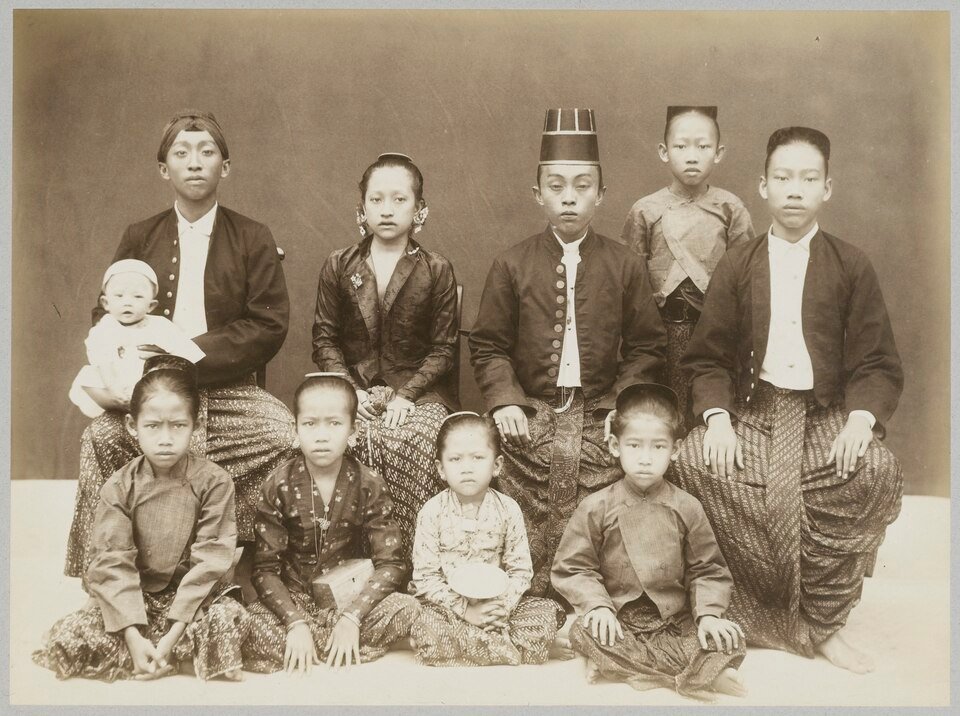
Portrait of a Javanese family circa 1900. Source : Wikimedia Common
The patriarchal society we live in has developed for centuries, often rewarding men for treating women as lesser. Phrases like “boys don’t cry,” “stop being so emotional, you’re a man,” and justifying ones like “boys will be boys” were repeated for generations, creating a negative association with anything considered feminine. As a result, instead of learning what it truly means to be a man, many are instead taught what it means not to be a woman.
It is crucial for men and boys to be engaged. Efforts to end gender-based violence will not succeed without their involvement. Fortunately, this approach was recognized in some parts of the world, and Indonesia should take notes.
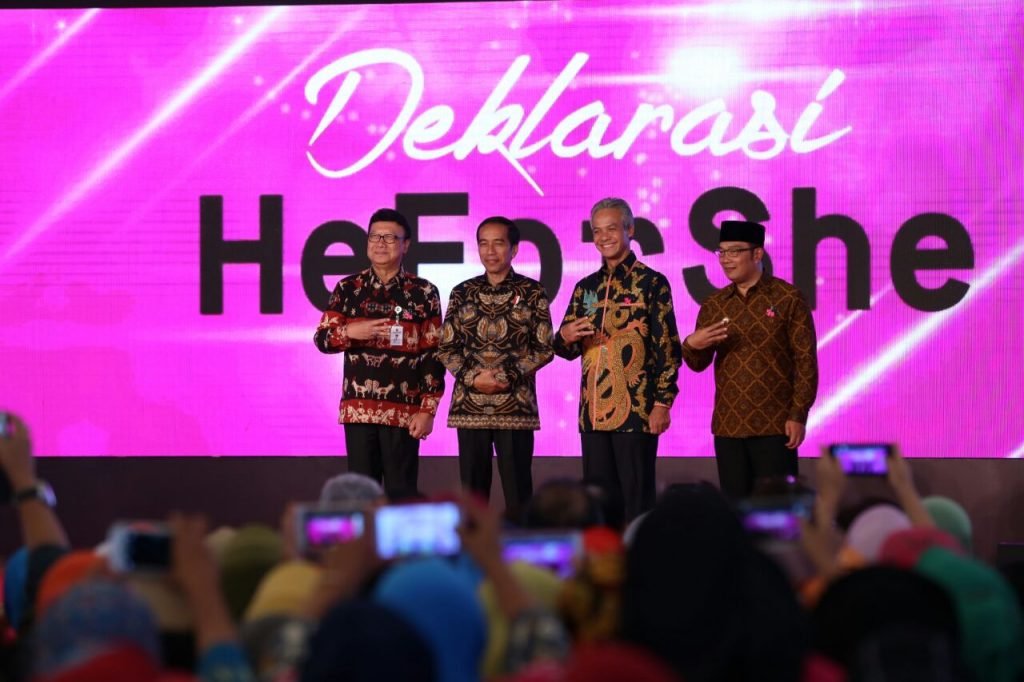
First, the HeForShe, a solidarity movement launched by UN Women in 2014, the movement invites men and boys to stand in solidarity with women to create a culture of visible and vocal allyship for gender equality, with a current focus on online safety and misogyny. In 2025, HeForShe reportedly mobilized over 3 million allies of all genders, generating over 3 billion conversations around issues such as gender pay gap, gender-based violence and male allyship. It also pushed to give men and boys positive role models, such as Spanish Prime Minister, Pedro Sánchez being part of the movement.
Although this movement existed in Indonesia since its founding, it has not yet been widespread.
President Jokowi awards heforshe pins to 3 public officials in 2016. Source : BSKDN Kemendagri
At the prevention level, starting early is key, and education must play a central role. Although ‘sex’ education is still considered taboo in Indonesia, it is undeniable that this is especially important today. With the internet being one click away, we must choose whether to give young people age-appropriate education on sex and reproductive health, so they understand consent, respect, and how to protect themselves, or leave them to learn from the internet on their own. Without guidance, they may develop misleading or harmful ideas about relationships and sexuality.
In England, the viral Netflix drama “Adolescence” raised public awareness of these risks, particularly how “manosphere” and “incel” culture can reach young people and spread harmful worldview. In response, the Department of Education (DfE) followed this development by updating its Relationships, Sex and Health Education (RSHE) curriculum which was made compulsory from 2020. The revised curriculum places greater emphasis on online safety, promotes positive role models for boys, challenges stereotypes about women and relationships, and warns against “boys will be boys” attitudes.
Addressing gender-based violence requires more than just punishment. It demands prevention, education, and the active involvement from men and boys. Indonesia must take this issue seriously by strengthening accountability, expanding education, and promoting healthier ideas of masculinity. Without these efforts, harmful norms will continue to persist. But with them, a safer and more equal society is possible.
Herza Nabilah is a researcher on foreign policy and women empowerment based in Indonesia