Laos held the spot for the lowest GDP in ASEAN for almost as long as it was a member of the regional organization. This changed when Timor Leste officially joined ASEAN this year and took Laos’s spot. As the newest ASEAN member and a country that took Laos’s former position, there are lots that Timor Leste can learn from Laos, in terms of the success but more importantly the fatal mistake that Laos made in an effort to pump up its economy and national development. Timor Leste is not the only student, in fact the rest of ASEAN needs to reevaluate how it approached its once poorest member and make sure not to make the same mistake on the member that took its position.
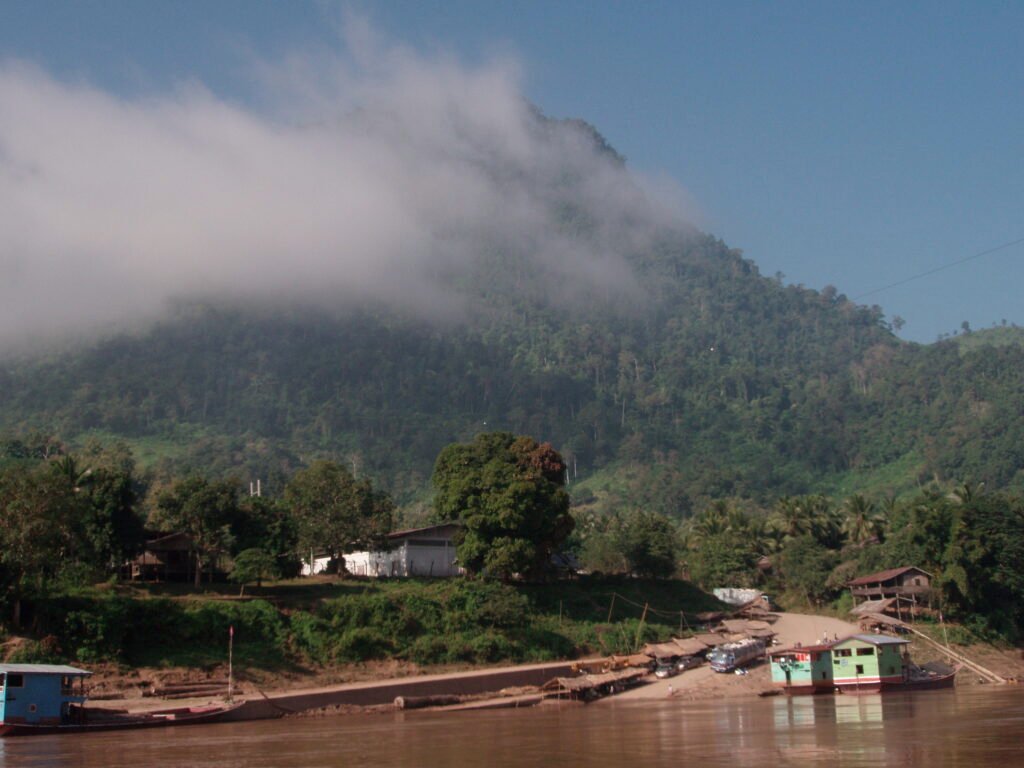
Luang Prabang Mountain Range. Source : Wikipedia
The cards are stacked against Laos in terms of economic growth. While it has strategic minerals, their deposits do not rival that of its neighbors. Worse yet, its mountainous and landlocked landscape makes it difficult to access the international market. Finally Laos lacks bureaucratic transparency, a common problem that hinders growth among Southeast Asian countries. These factors repel international investors. Today Laos’s economy is heavily reliant on raw material exports and more so on Chinese investments.
These scam operations from Laos do not only target Southeast Asia but also China, a country that actively chooses not to eradicate Zhao’s operations. It is speculated that China maintains Zhao’s operation to prevent other unmanageable scam centers from proliferating, to continue to pull strings on Laos’s foreign policy and to arrest lower ranking operators within Zhao’s rings every now and then to impress domestic audiences.
The questionable deals that Laos made with extra regional entities continues to cause transnational crimes detrimental to ASEAN nationals and allows China to maintain its grip over Laos. This reality could have been avoided if ASEAN member states (AMS) aided Laos enough that it did not have to turn to extra regional entities. Although AMSs are not responsible for Laos’s prosperity, the GTSEZ and the complications that arise from it are the result of AMS’s inadequate development aid which forced Laos to turn to its last resort.
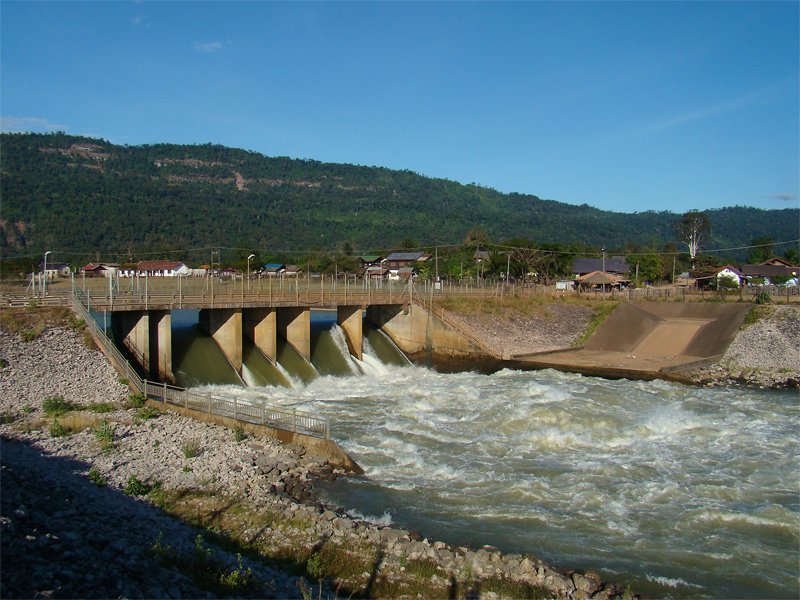
Theun Hinboun Hydropower station in Khammouane province. Source : Wikipedia
The silver lining to this is that Laos is not yet a lost cause. There is a steady push from the government to transform itself as the battery of Southeast Asia by building hydropower plants along the Mekong river, a plan that is receiving support from its neighbors, both politically and financially. More importantly however, AMSs now know better not to be negligent towards Timor Leste. The similarities between Laos and Timor Leste are written on the walls, both are geographically disadvantaged, far from transforming to become manufacturing economies and heavily reliant on extra-regional powers. Dependent on Australian aid, oil exports and China already making its move into the country, Timor Leste is in a fairly difficult situation. If AMSs do not act quick enough, it could be only a matter of time until an extra-regional power solidifies its grip on power or worse yet sets an enterprise that is detrimental to Southeast Asia much like Zhao’s operations in Laos.
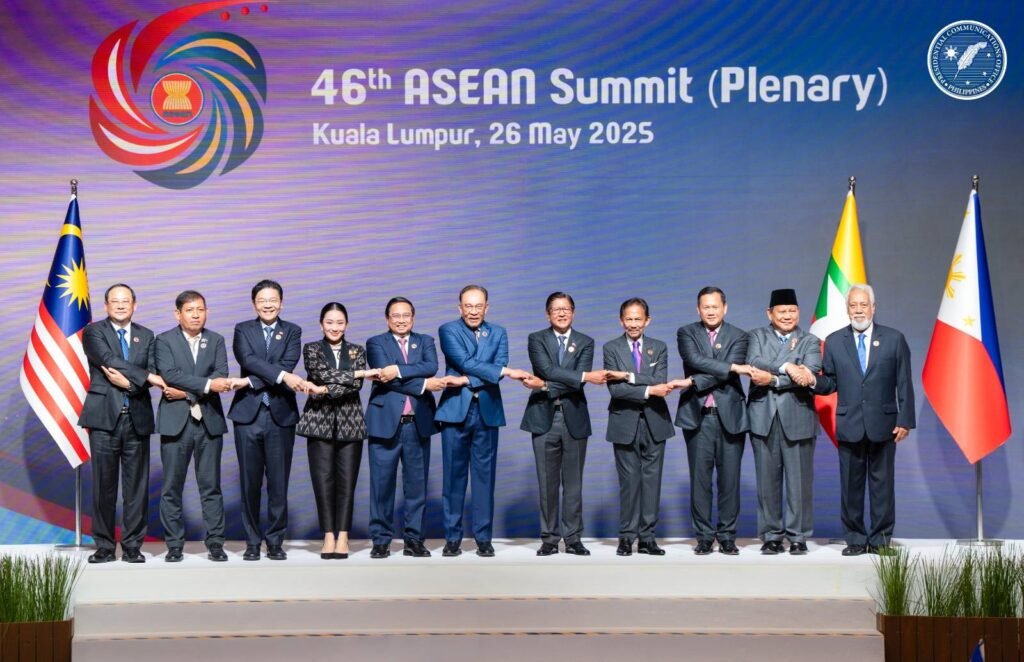
ASEAN Summit in Kuala Lumpur, Malaysia, on 26 May 2025. Source : Wikipedia
One of the fundamental principles that ASEAN was built on was the member states maintaining their autonomy and being free from external influence. Fast forward nearly 6 decades, AMSs still claim to be focused on solidifying that principle but showed minimal action to achieve it, opting to engage deeper with external powers for both economic and security guarantees. If AMSs are truly focused on being free from external influence, it can start by supporting the more vulnerable ones among themselves.