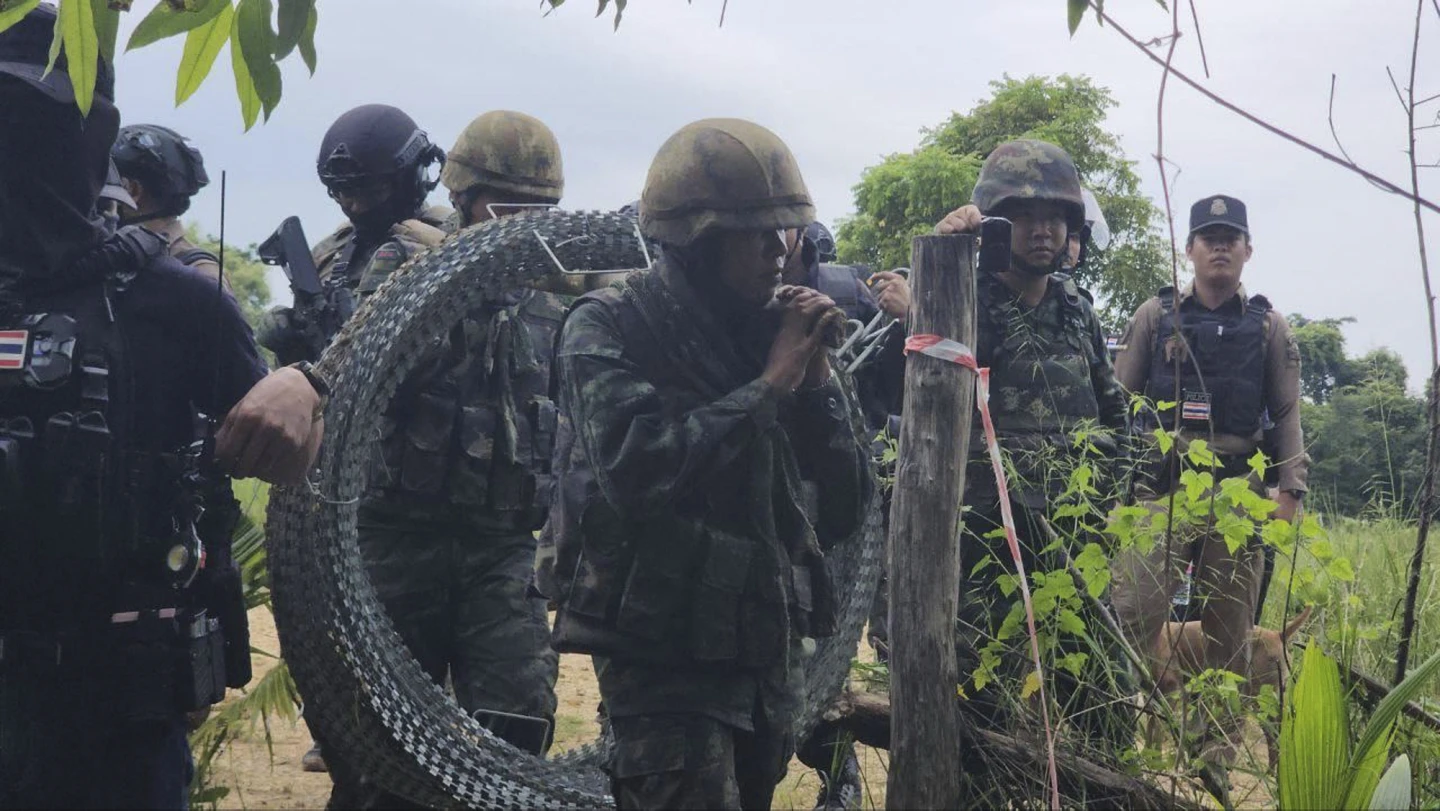
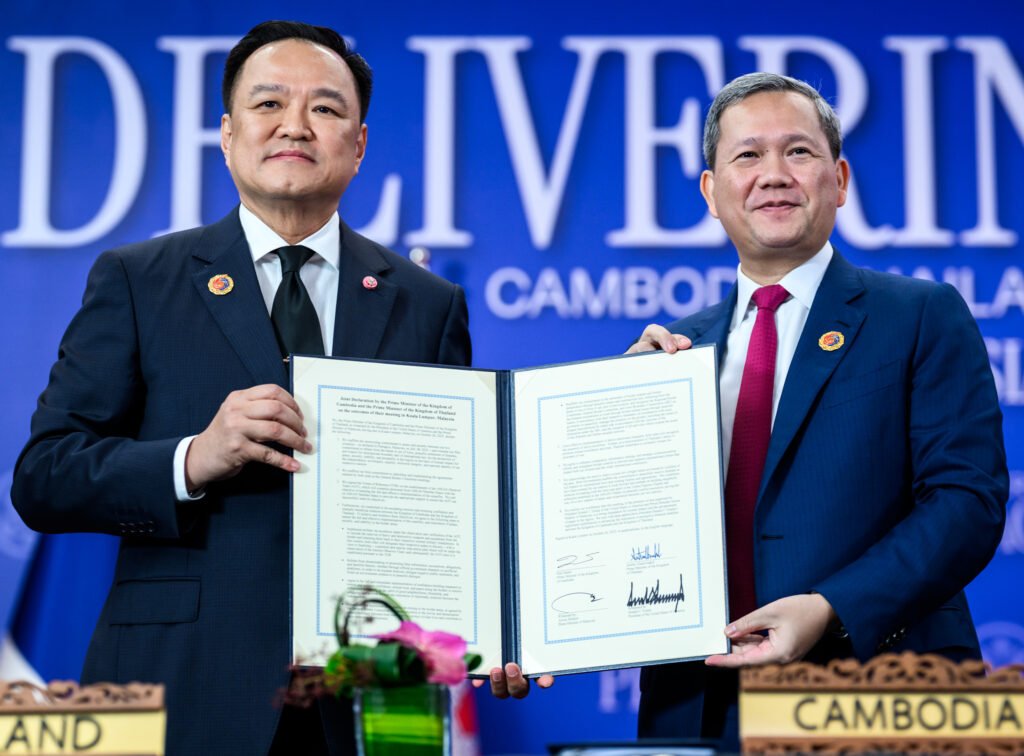
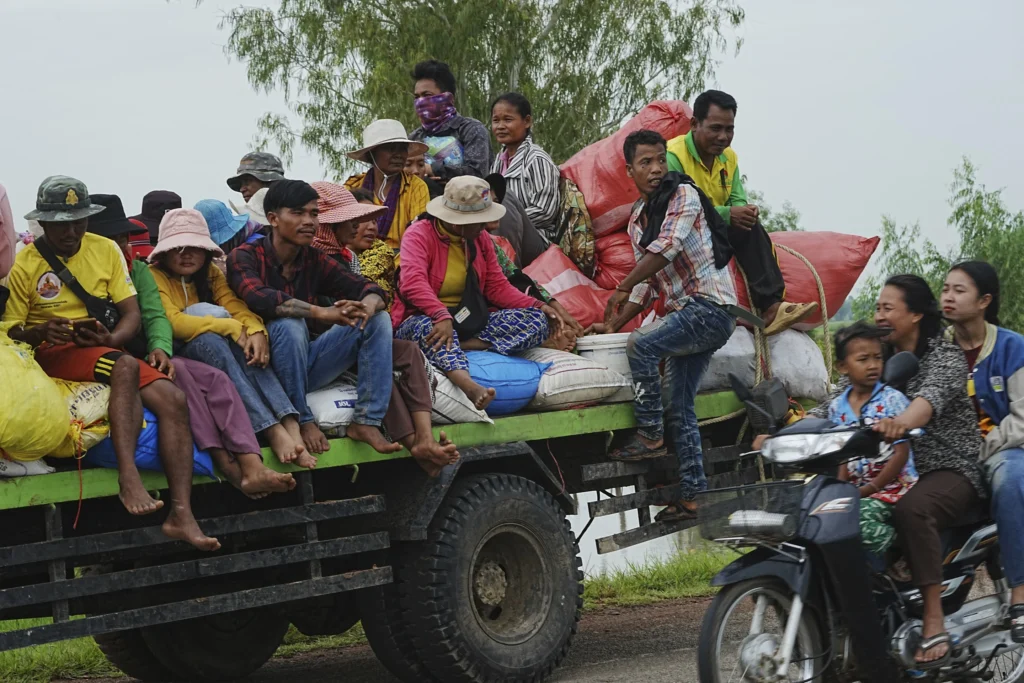
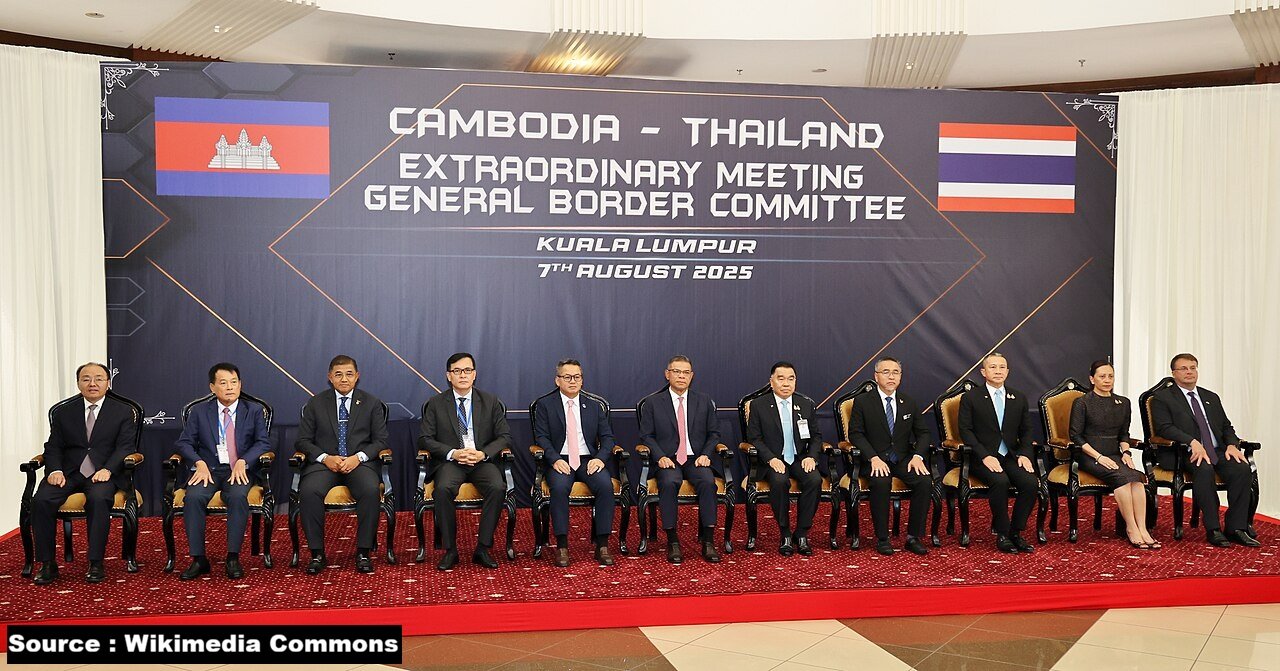
Observers believed that the Thailand – Cambodia border conflict would blow over in a matter of weeks when it first broke out on July 2025. Afterall, armed conflict between 2 Southeast Asian states was thought to be a thing of the past. The situation however proved otherwise. The 2 countries on 28th July and 26th October, under Malaysia’s supervision, stamped out ceasefire agreements and broke it twice. In the first case it was broken up in less than 24 hours. As of writing this article gunfire is still being exchanged from the two with Thailand even rolling out airstrikes in early December. Since the first gunfire in July over half a million people were displaced on both sides of the border, Prisoners of War are still in foreign custody and nearly 100 civilians and military personnel have lost their lives. The situation is bleak with pleas to stop the war from not only Southeast Asia but world wide are falling on deaf ears.
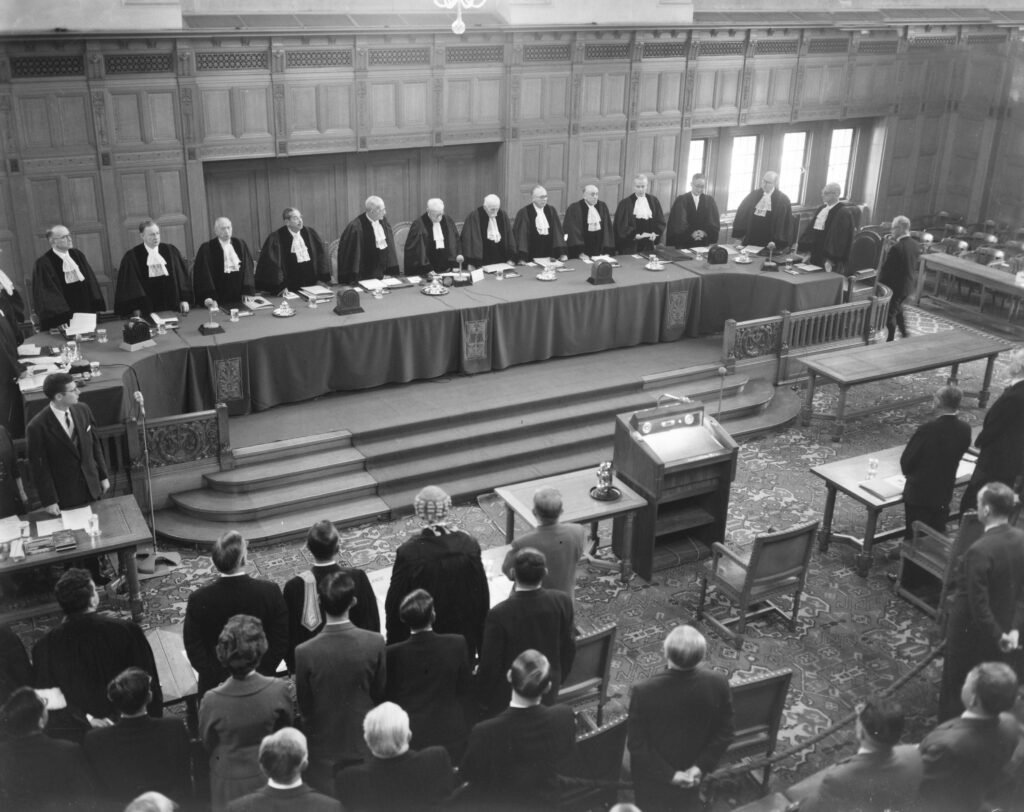
Temple of Preah Vihear case during hearings at the International Court of Justice in 1961. Source : Wikipedia
Many pointed to deep seated historic tension between 2 as the cause of this conflict. The tension does not only extend to modern history where the International Court of Justice ruled in favour of Cambodia in both 2013 and 1962 but as far as the medieval era when kingdoms from both Thailand and Cambodia would expand and claim sovereignty over the temples along the border. Others offered a more far-fetched explanation claiming that the war was caused to force US President Trump to incentivize both countries to a ceasefire through lower tariffs and investments.
The reality of the matter is deeper and more complicated than it seems at first glance. Once war breaks out between countries it is incredibly difficult for de-escalation, almost as if war has its own logic. Momentum builds up, if one side strikes, the other is expected to retaliate as restraint looks weak, leaders are bound by expectations. Although politics might cause war, war will not obey politics for long. This reality between Thailand and Cambodia is being fueled by short sightedness between the decision makers in both countries.
Thailand’s Prime Minister Anutin Charnvirakul and Cambodian Prime Minister Hun Manet sign the now broken Kuala Lumpur Accord Sunday, October 25, 2025. Source : The White House
Cambodians sit on a cart of a tractor as they take refuge in Oddar Meanchey province, Cambodia. Source : AP News
The border conflict is exploited and prolonged to achieve short term goals that only serve the ruling elite. Aside from the obvious capital wasted and diminished political stability from the conflict, the public are facing the brunt end from it such as undermined institutions which are under the whims and wishes of the ruling elite. Effects of the conflict reached Laos as oil shipments from Thailand were halted due to concerns on the landlocked country exporting the oil to Cambodia. While the impact of the war is felt by the nationals of these countries today, it could be very much possible the rest of Southeast Asia will feel it soon. The region is heavily reliant on foreign direct investment. The presence of war and along with ASEAN’s inability to defuse it repel potential investors.
Despite the difficulties Thailand and Cambodia face in stopping the conflict, if the decision makers from the 2 countries do not show effort to create meaningful change to inch closer to peace, it will expose where their priorities truly lie and undermine their commitments to ASEAN.