The South China Sea faced unprecedented tension from countries that bordered it during the mid to late 1990s. To avoid further escalation, ASEAN Member States (AMSs) along with China signed the Declaration on the Conduct of Parties in the South China Sea (DoC) in 2002. The DoC is a non binding political declaration where signatories promise to uphold international law and foster maritime cooperation. It is also the precursor to the South China Sea Code of Conducts, (CoC). An agreement in the making between AMSs and China which details mechanisms for dispute prevention and management and foster maritime cooperation in the South China Sea that is likely to be legally binding. Negotiations for the CoC began in 2018 and is set to be finalized this year in 2026.
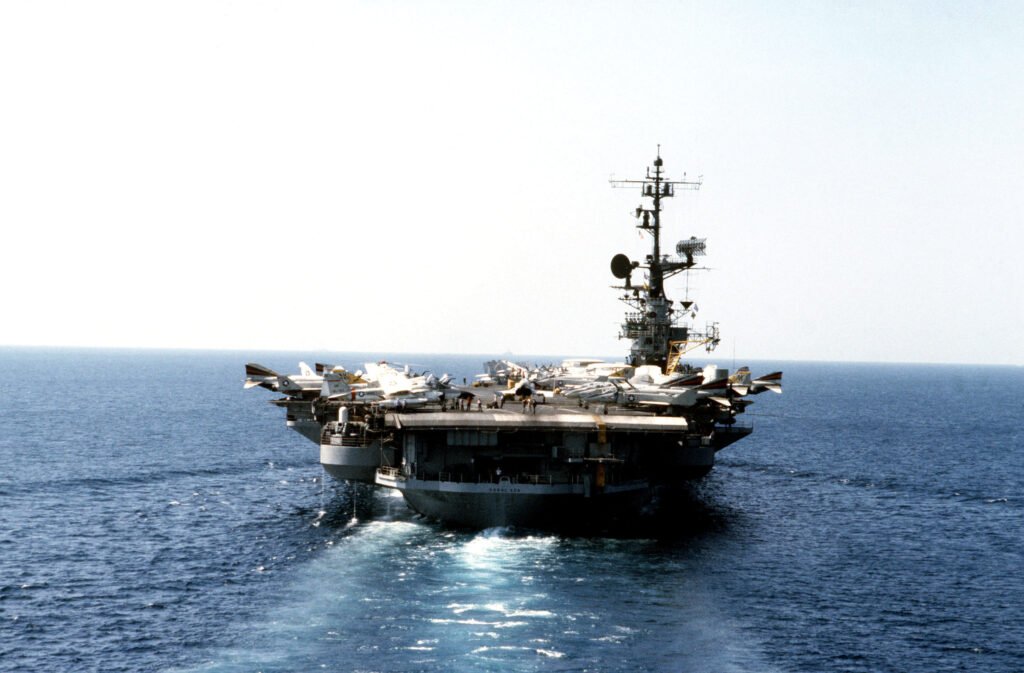
A stern view of the aircraft carrier USS CORAL SEA near Subic Bay, Philippines. Source : Wikipedia.
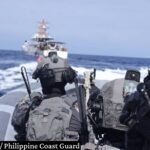
Filipino President Marcos Jr is this year’s ASEAN chair. He consistently pushed for CoC finalization on every ASEAN summit he attended since he took office. The CoC will serve the Philippine’s security needs. The Archipelago frequently faces confrontations against China in its maritime jurisdictions. Collisions between vessels are common and its patrols and resupply missions are regularly harassed by the Chinese coast guard. Despite how urgently or even desperately the Philippines need to finalize the CoC, it will likely be Marcos Jr’s most challenging diplomatic hurdle.
China’s resistance or persuasion from providing aid will not be the only obstacle that the Marcos Jr administration will face in finalizing the CoC; considerable challenges would stem from within Southeast Asia itself. While China’s 10 dash line claims over the South China Sea under historic basis appears the most outrageous and is often singled out by critics, a few AMSs including the Philippines are guilty of citing historic claims themselves. This undermines the Philippine’s effort as it could be accused of holding double standards against China.
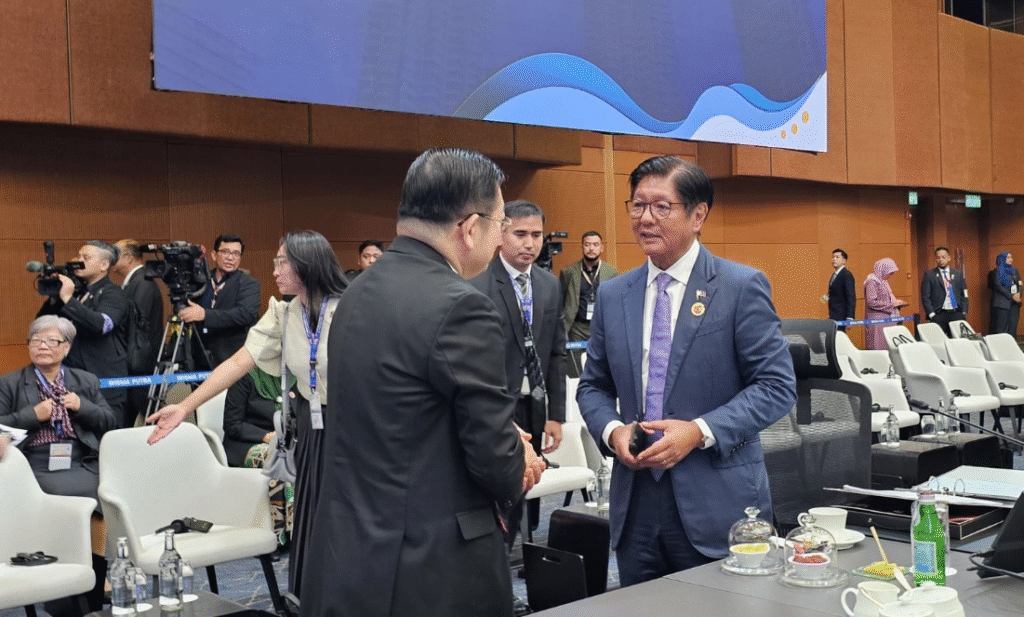
President Marcos Junior speaks to ASEAN Secretary General Dr. Kao Kim Hourn. Source : ASEAN
There are other challenges posed towards the Philippines caused by recent developments in Southeast Asia. Animosity between Thailand and Cambodia will remain for the foreseeable future despite both of them signing their third ceasefire agreement. A common trend in ASEAN is the inverse correlation between the number of AMSs and the speed of reaching an agreement among them. With Timor Leste joining ASEAN at the 11th minute, the CoC’s completion could be delayed. Indonesia’s limited action and interest towards ASEAN could also negatively affect the Philippine’s progress on the CoC. For decades, Indonesia was regarded as the first among equals between AMSs and acted as such. However, since 2014, it started to limit its role in the region. Today, Indonesia’s diplomatic engagements remain concentrated outside of its own region, voiding Southeast Asia of an active leader.
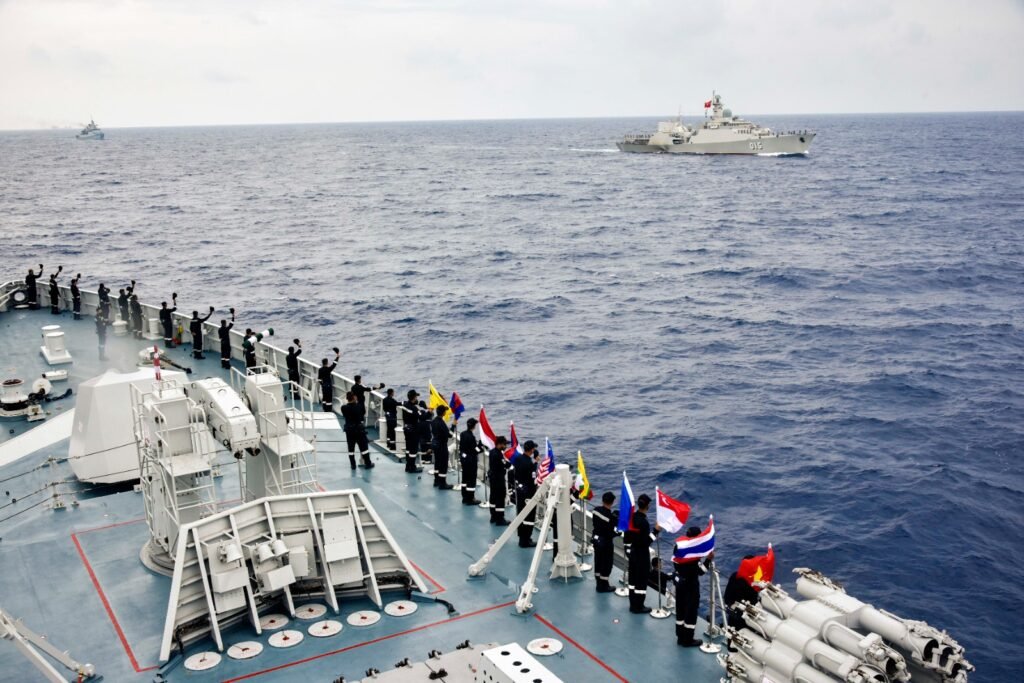
ASEAN India Maritime Exercise 2023 concludes in South China Sea. Source : Wikipedia
Despite the complicated regional and domestic obstacles, the Philippine will do all it can to finalize the CoC, especially under Marcos Jr’s administration that consistently emphasizes a rule based order in the South China Sea. While the pressure and enthusiasm are concentrated on the Philippines, the stakes are high for other AMSs as well. Not only does the AMSs need it for security in the South China Sea but it also needs it to bolster its credibility. Over the last years, ASEAN suffered an image problem. It was ineffective in handling the political crisis in Myanmar and the ceasefire agreements between Thailand and Cambodia were brokered by the United States and China on separate occasions. These events gave an impression that ASEAN does not have agency over its own region. Amidst all this, completing the CoC that arranges the AMSs in a rule based order and wrangles China into a legally binding agreement would be a much needed win for ASEAN.