
Editor – Southeast Asia Analyst
Having been dealt with unforgiving circumstances since its independence, the government and people of Singapore grew a pragmatic and cold blooded worldview that is free from sentiment. It is this sentiment that is credited for transforming the country from a city state that lacked running water into Southeast Asia’s investment hub. This worldview persists to this day and is reflected in Singapore’s defense posture and budget.
The city state’s defense and strategic culture is rooted in maintaining a balance of power. In fact Singapore nearly pulled out of signing the ASEAN Declaration due to a clause that prohibited members from hosting foreign military bases, the clause now states that foreign military bases to be temporary in nature. It also boasts the highest defense budget in the region. All of this is done to balance against its perceived adversary; China. Singapore at the very least feels threatened by China and for good reason.
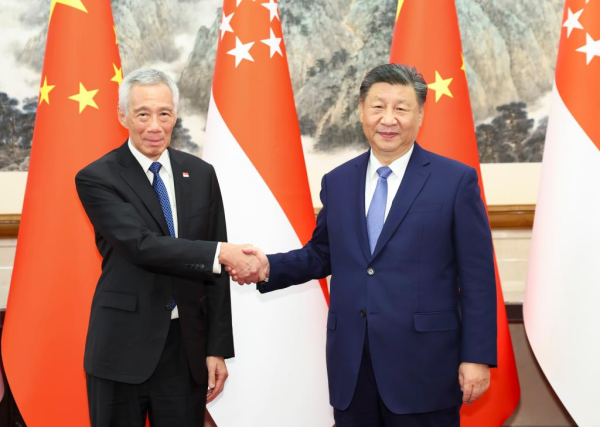
Time after time China undermined Singapore’s sovereignty and interest. It continues to tap into Singapore’s ethnic Chinese population who are urged to support the realisation of China as a great nation as “sons and daughters of China abroad.” Other cases involve the terrex incident and China’s aggressive stance in the South China Sea also indirectly hurts Singapore’s maritime sector.
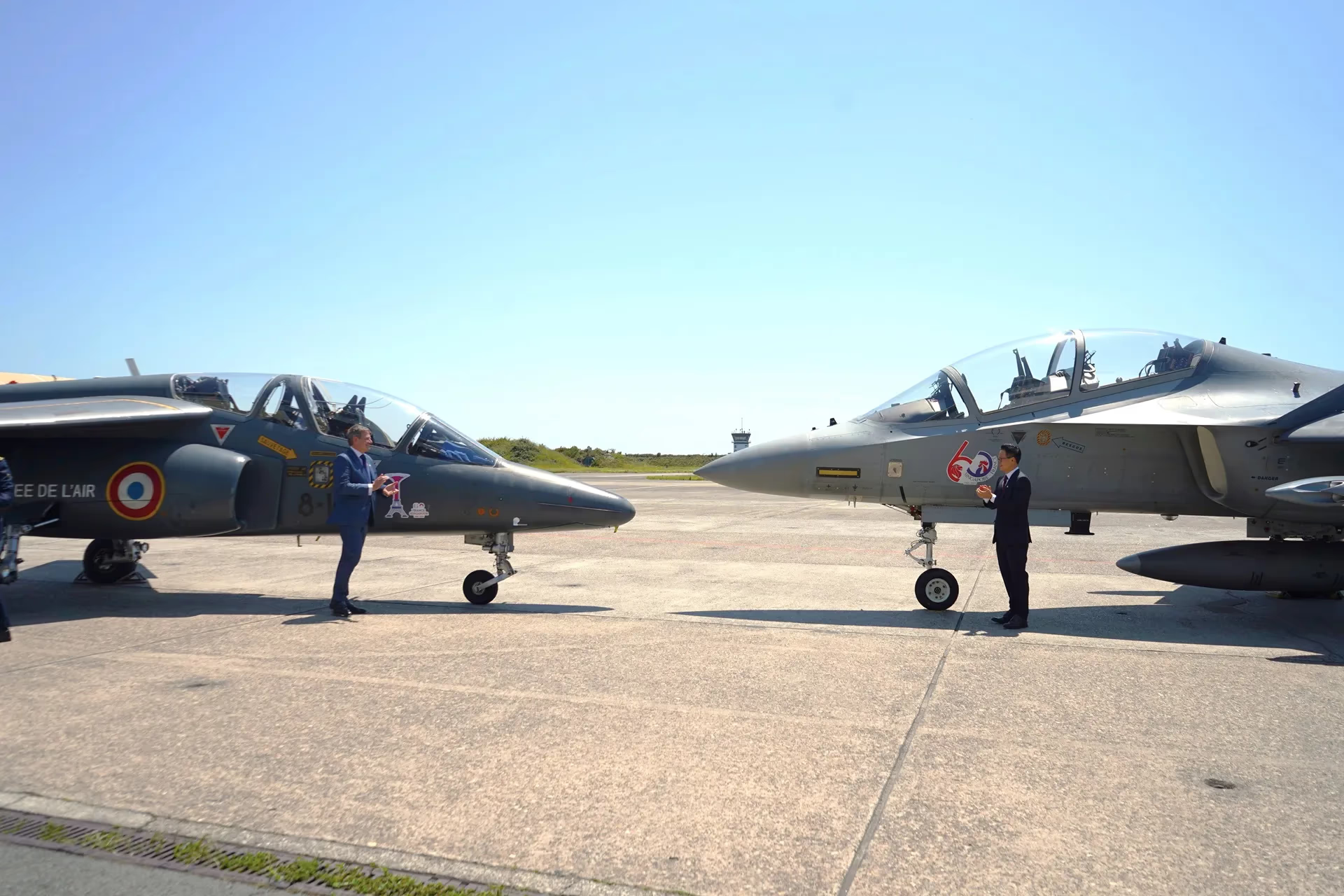
In face of these threats to its sovereignty, Singapore maintains a heavy US presence by hosting the US 7th fleet and forged extensive defense networks with other partners. The more interesting of them are its long term detachments to Australia, the United States (US) and France with the last three being long term military detachments. Although the primary purpose of these detachments stem from Singapore’s need for training space needs due to lacking its own, given the alignment of these partner states within geopolitical rivalry, it is easy to read between the lines and know its other purposes.
In the US alone there are three long term detachments from Singapore Armed Forces (SAF) 2 for fighter jets and one for helicopters. In Australia there are two and one in France. Most of these detachments cater to Singapore’s airforce, housing anywhere between 8 to 18 aircrafts per detachments. Most of them have been active since the 1990s and a number of these detachments even provide residence for the deployed personnel and their families. The detachments are rather invisible to the layman and rarely appear in the media.
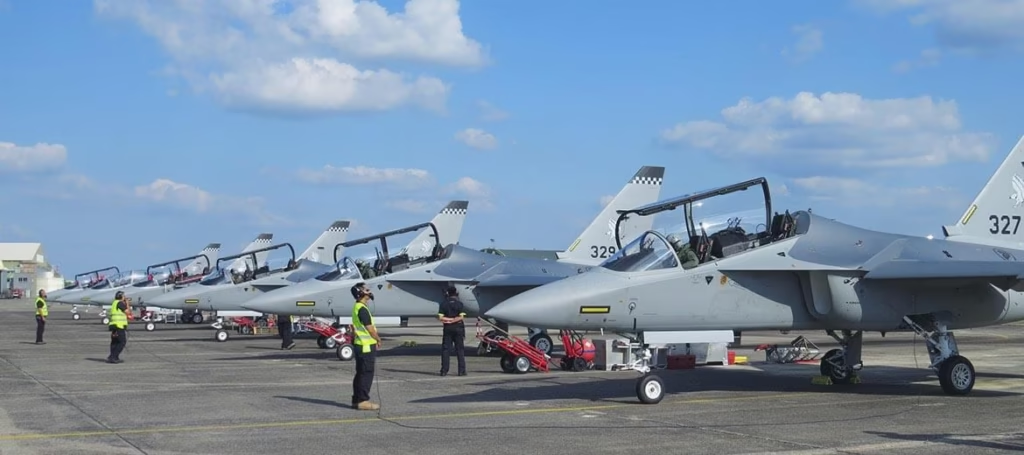
Given the statistics, these are hefty investments made by the SAF. However the problem with these detachments is that they are misplaced and to an extent mismanaged. Balancing is often bound by geography, in this case it means that Singapore could be balancing against China better if it pulled out its detachments in Australia, France and a handful of them in the US instead placed them nearer to China. There are a number of countries that border the South China Sea that not only host foreign military detachments but also bases, namely Philippines and Brunei. Two countries that disdain China’s extraordinary claims in the South China Sea and could gladly host Singaporean detachments to strengthen its defense posture.
Another element of Singapore’s mismanagement is keeping its defense network largely hidden. Most defense and security objectives of a country can be achieved by showing its resolve and intentions and this usually takes publicizing them.
A prime example of these include when the US under the Biden administration publicized deploying troops to Poland right after Russia invaded Ukraine. The more recent case would be various European countries deploying troops to Greenland after US president Trump expressed interest in occupying the island.
With state of the art equipment and a reliable defense budget, Singapore boasts one of the capable military in Southeast, if not in Asia. However, given it could be conducting itself better in regards to its relations to foreign partners. Relocating and publicizing troops could be a difficult but necessary affair in order to balance against perceived threats.