
Editor – Southeast Asia Analyst.
On March 4th, the Cambodia’s Permanent Deputy Prime Minister held a meeting with the US charge de affairs in an effort to diversify Cambodia’s economy. On the next day the foreign minister and the tourism minister pledged to cooperate to strengthen and promote Cambodia’s tourism industry via embassies and consulates around the world.
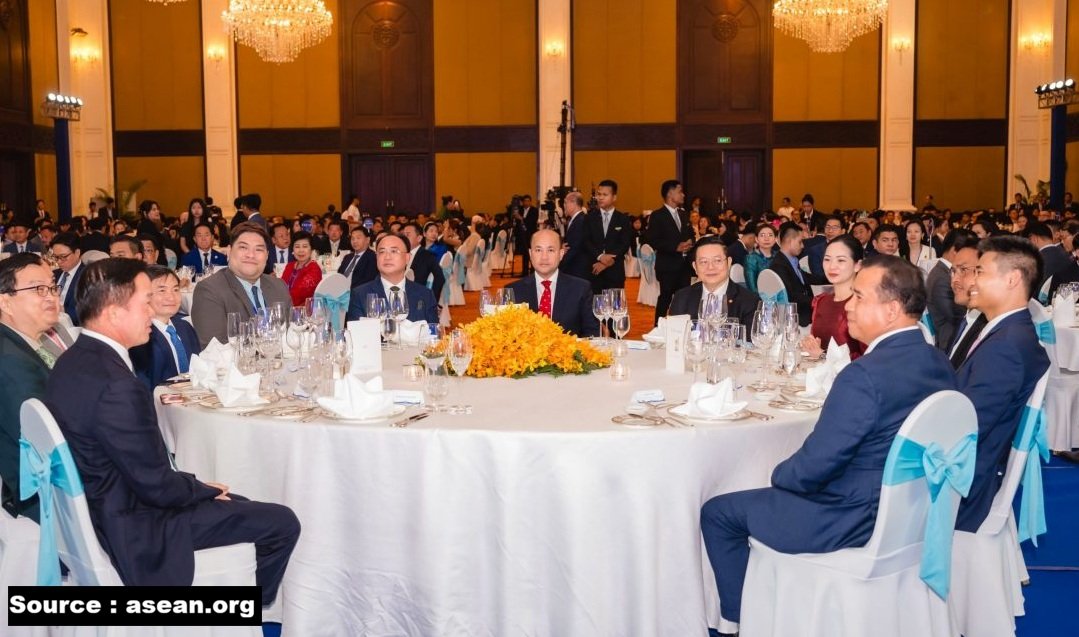
All these came during the annual Cambodia ASEAN Business Summit (CABS). The event was attended by Prime Minister Hun Manet, ASEAN Secretary General Dr. Kao Kim Hourn and 700 business representatives from 300 domestic and international corporations alike. During the event Manet urged his guest to invest in the country and insisted that “Cambodia has embraced a model of strategic openness as an emerging digital and industrial hub within the ASEAN region,” and “the year 2026, this is the best and most unprecedented opportunity” is the best for investment.
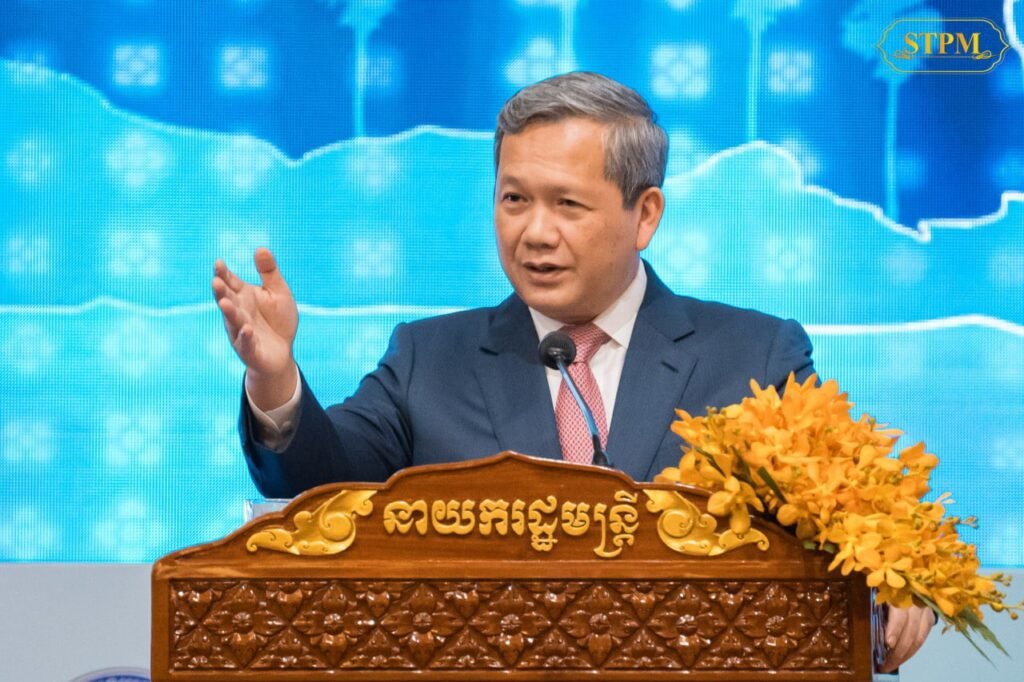
These are efforts from Cambodia to woo foreign investors to fix up its global image as a scam industry hotbed and a country riddled by border skirmishes. Front and center at this PR move is prime minister Hun Manet and his cabinet members.
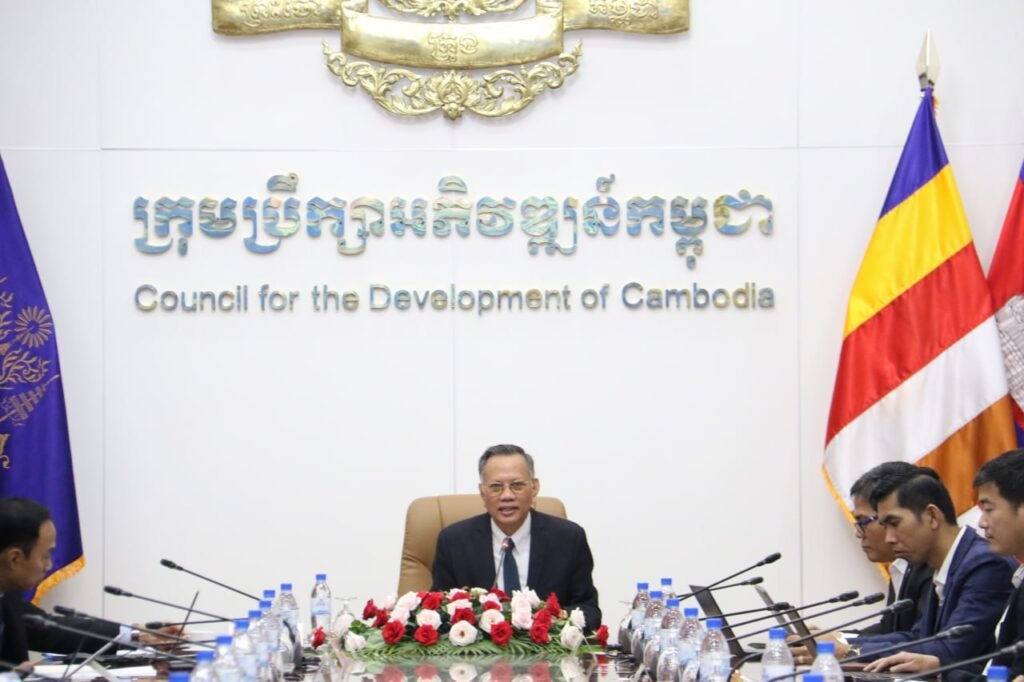
The Council for the Development of Cambodia has gone as far as to pay lobbyist firms in the United States to shape its perception and boost foreign direct investment in the country. Although this is a fairly common practice in Washington, the sheer capital it spent since mid last year reached nearly half a million dollars. This caught multiple headlines and placed Cambodia as the second biggest spender on lobbyists in Southeast Asia, just below Myanmar.
Despite the time, effort and capital invested into these theatrics and dubious deals, their effectiveness are questionable at best. China maintains the top investor position in Cambodia by a long shot, covering over 50%. While the US holds less than 1% of investments in the country. Economic agreements are made between Cambodia and various ASEAN dialogue partners, however they are limited to agricultural exports and tourism. With goals to graduate to become an upper middle class nation, the pressure is on Cambodia, especially amid increasingly uncertain global trade conditions.
Analysts believe that although these are a step in the right direction, Cambodia’s governance reform is still a work in progress. It is no surprise given that frequently cited reasons for minimal investment into the country are systemic corruption, shortages of skilled labor, weak infrastructure and a lack of transparency in approval processes.
With Cambodia setting itself a goal to attract FDI, it need not look far. Various Southeast Asian countries carried out the time tested method of carrying out domestic reforms in order to pull in capital abroad. This means that Cambodia has put the horse before and carriage and would have to fix up internal problems in order to attract investors.