
Editor – Southeast Asia Analyst.
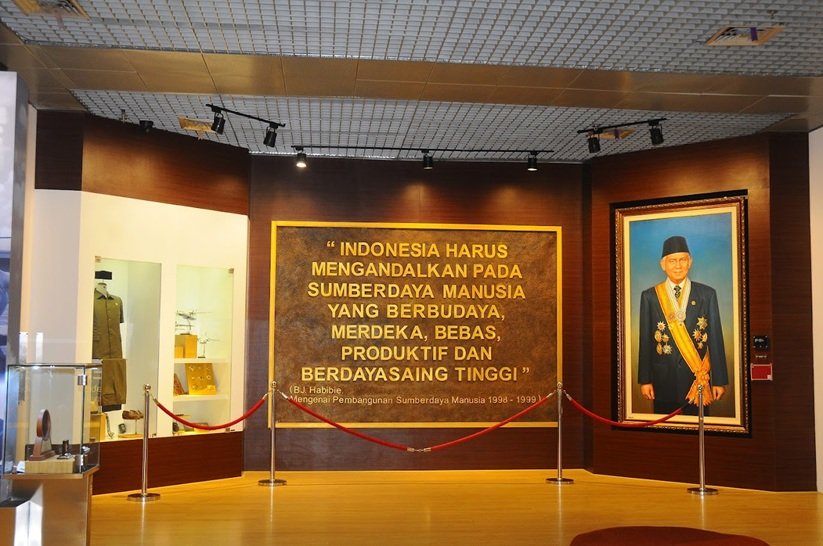
Despite having the shortest presidency in Indonesia, late President BJ Habibie is best remembered for his administration’s success in handling the Indonesian Rupiah’s (IDR) hyperinflation during the 1998 financial crisis. For a year and 5 months in office, President Habibie strong-armed the weakened IDR to go from 16 800 IDR to 7 385 IDR per USD, well over doubling its value. President Habibie left a short and powerful legacy of Indonesian statecraft and a fleeting hope that even the most difficult circumstances can be overcome with the right policy package. In a time where the IDR is crashing to record lows, it would be worth approaching the steps President Habibie took in order to control inflation.
President Habibie’s actions in raising the IDR’s value were surprisingly simple. After inheriting a troubled administration and political climate, kept what worked and changed what was needed. This started with allowing the Indonesian Bank Restructuring Agency (IBRA) to carry out its duties in cleaning up foreign loans, dissolving problematic banks that hosted them and setting policies in Indonesia’s finance industries. These actions might seem passive but his other actions were not.
Being aware that a stable currency depends on a stable political and economic climate, President Habibie gave into the demands of the people. Numerous political parties were formed, restriction on labor unions abolished, granted freedom of press but more importantly human right violations were addressed. His administration also chose a more fiscally moderate approach where subsidies and government spending were restricted, the state budget for 1999 was reduced to 83% of the previous year. Interest rates from Indonesia’s central bank were raised as well, this increased deposits and ushered in stability. The rates slowly dropped as the economy improved.
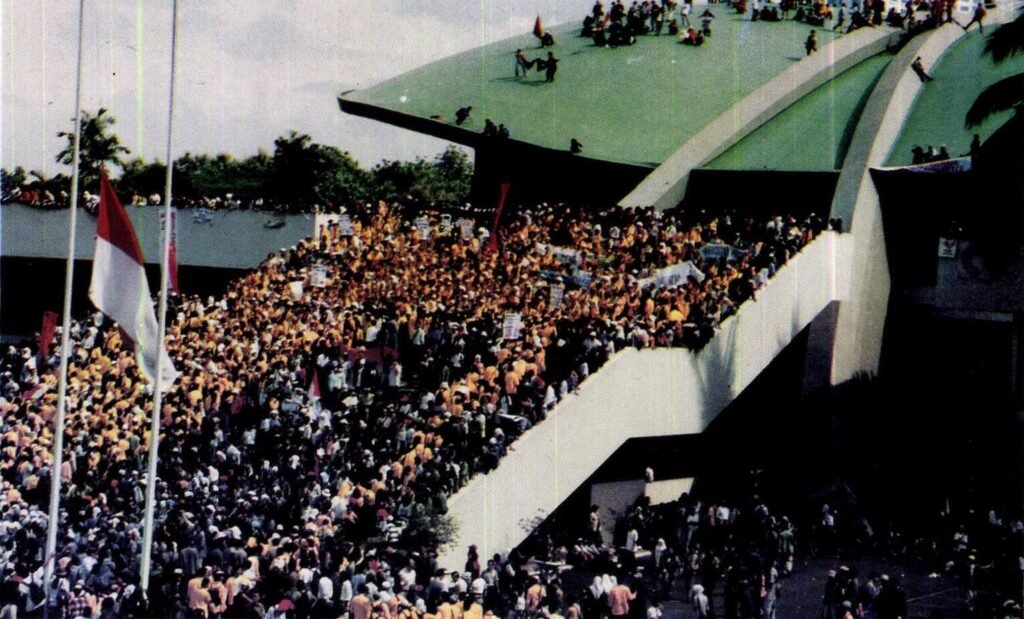
All of this was done in order to increase market confidence, curb inflation and increase demand for the IDR, necessary factors needed to strengthen and stabilize the currency. In short, President Habibie stuck to time tested and textbook level solutions instead of the usual Indonesian way of adding extra layers of bureaucratic clutter.
The good news is that these methods can be well over replicated by the current government, they are not dependent on foreign influenced circumstances but are completely within President Prabowo’s disposal, all except interest rates which are independently set by the central bank. The President can propose laws that give in to the demands of the people and set a reduced state budget and easily pass them through parliament where 74% of it already supports the ruling coalition. The only missing factor is the current administration’s willingness.
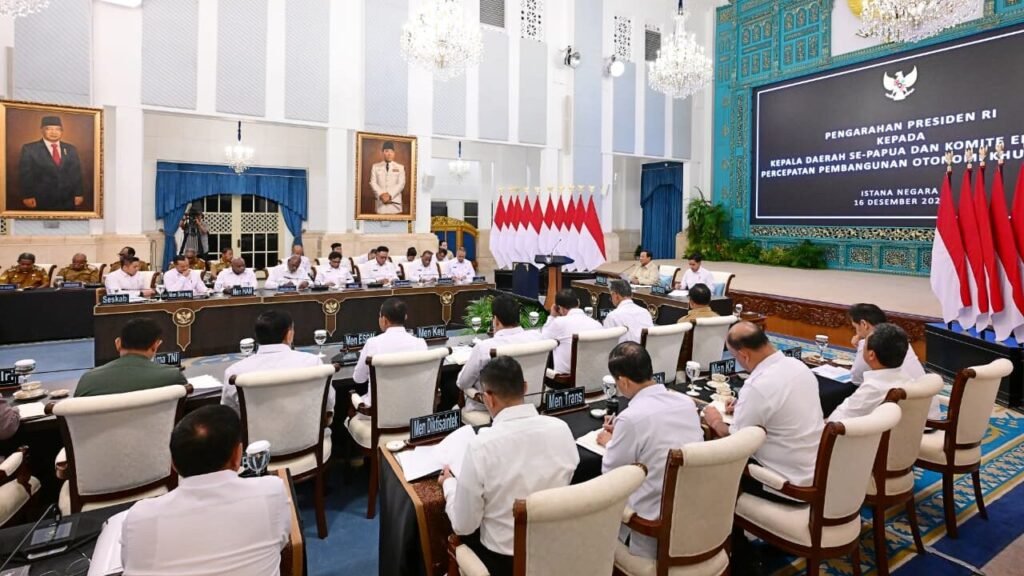
Strengthening the IDR and stabilizing the economy is not within President Prabowo’s priorities. In fact, the focus among his priorities such as energy and food security, strengthening total defense and accelerating investment would require enormous government spending and in worst cases, expanding the national debt. These factors could contribute to weakening the IDR. Even finance minister Purbaya Sadewa focuses on stimulating the economy and increasing tax revenue which will most likely be used to fund food and energy security programs.
Every agenda from the government comes with opportunity costs, unfortunately for the IDR, it seems that this time it would be taking the hit. High levels of government spending, more efficient taxation coupled with consecutively losing out high ticket foreign investments to its neighbours could most likely result in a weakened IDR.