
Editor – Southeast Asia Analyst.
The Mekong River is a lifeline to over 60 million Mainland Southeast Asian. Stretching over 5,000 kilometers, the river flows through five countries: China, Myanmar, Laos, Thailand, Cambodia, and Vietnam. It hosts various economic activities, fishing, irrigation, and hydroelectric power generation to name a few.
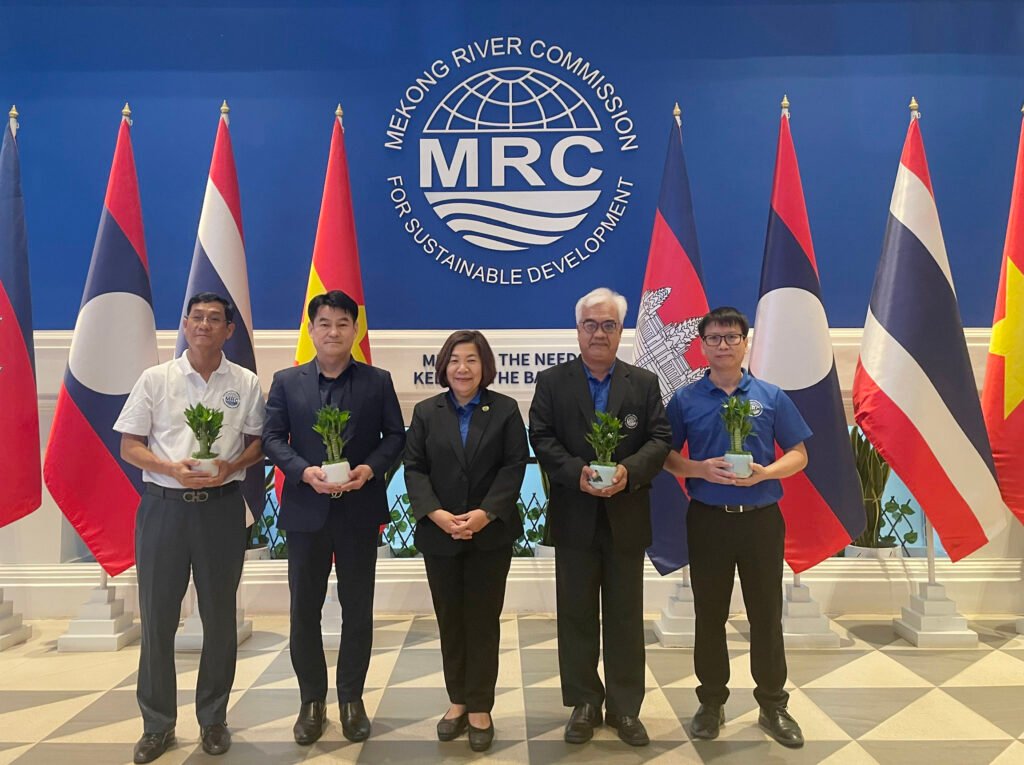
The riparian countries at the Mekong in mainland Southeast Asia, with the exception of Myanmar, are members of the Mekong River Commission (MRC). An international organization responsible for monitoring, forecasting, data and information management, analysis and assessment, planning, the implementation of MRC procedures, along with facilitating dialogue.
Programs conducted under the auspices of the MRC have seen varying levels of success. Technical programs, such as environmental and fisheries programmes, were largely successful. Conversely, programs that are more political in nature, particularly those aimed to establish common environmental or navigation standards, largely failed. The MRC is also excluded from hydropower initiatives in the Mekong.

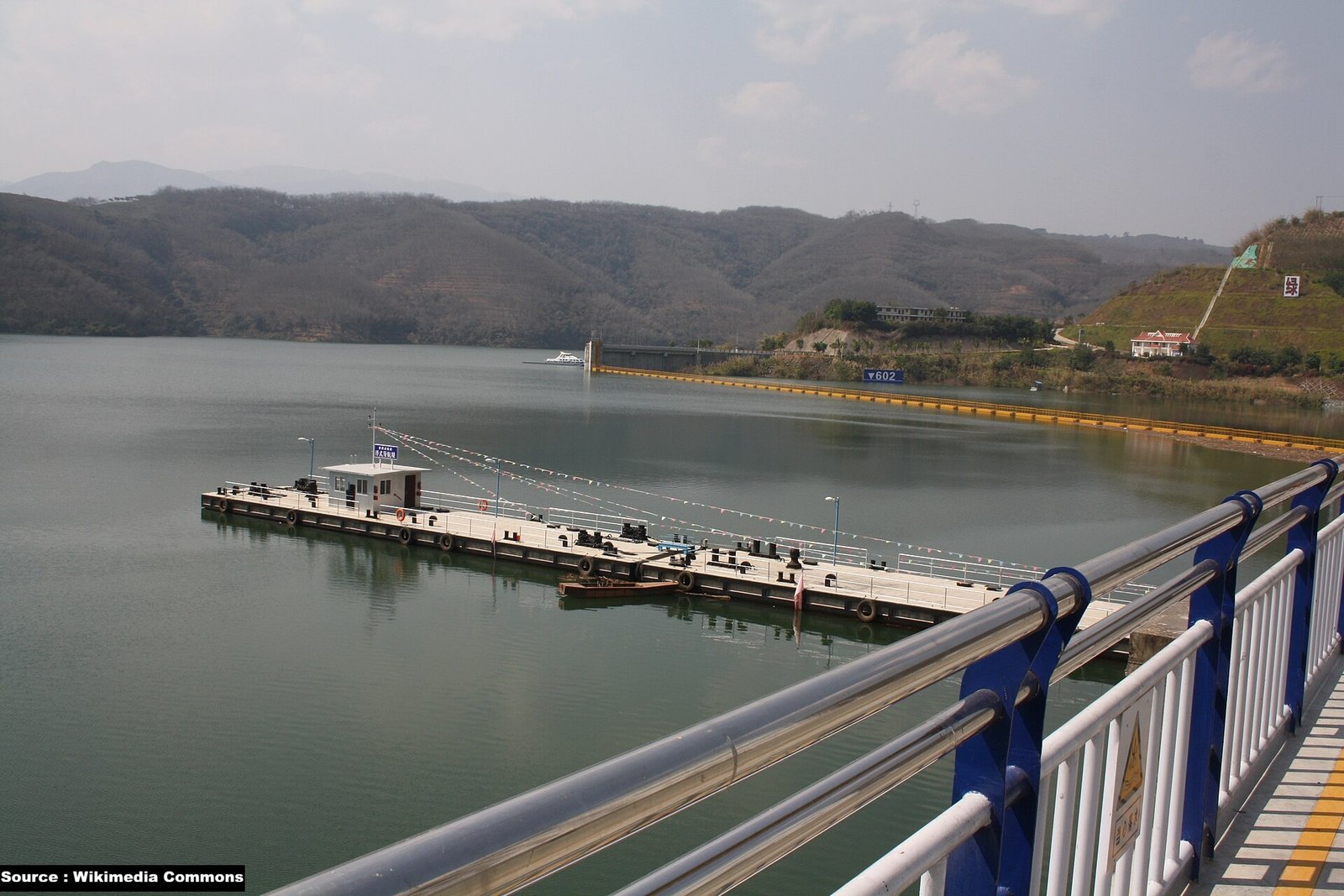
The MRC also failed to address the elephant in the room: China. The headwaters of the Mekong are located within Chinese territory. Although China is a dialogue partner of the MRC, it is not a party to the cooperative regimes established under the organization. One might argue that China is a malign actor in Mekong River affairs. China failed to share physical data on the Mekong. It also built 11 mainstream dams, along with 95 others on tributaries. Due to its upstream position, China possesses significant control over the Mekong’s flow. In 2019, China held back Mekong from flowing for 6 months even as the downstream countries experienced a wet season drought.
China is not the sole actor responsible for economically damaging activities along the Mekong. Laos has two operational mainstream dams, out of 77 in total. It plans to build 61 more, with seven on the mainstream. Environmental activism in Thailand has prompted Thai companies to pursue some of these projects in Laos. Cambodia has five mainstream dams. Due to environmental concerns, it has shelved plans to build two mainstream dams, but has continued building in tributaries. Vietnam runs 81 dams on tributaries or the main stream.
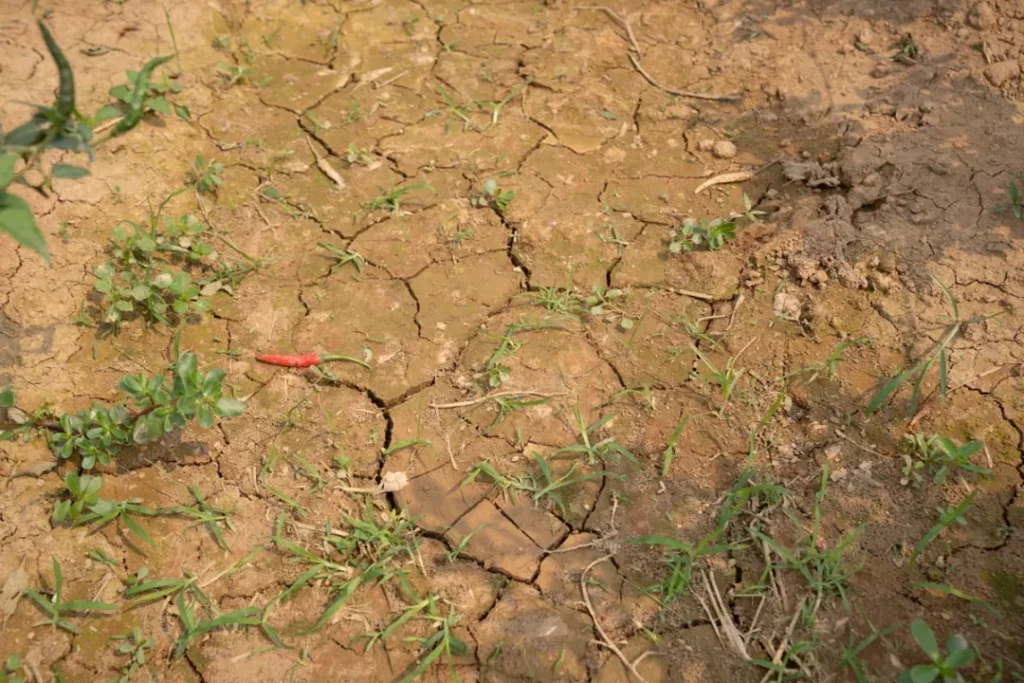
This accumulation of dams is largely felt by downstream countries; Cambodia and Vietnam. Irregular flows of water lead to decline in fisheries, resulting in loss of livelihood for the people living along the river. Reduced water flow also led to saltwater intrusion into the Mekong Delta, Vietnam’s most productive agricultural region, which may eventually result in the region being submerged by 2100.
These problems raise various questions. How can China be incentivized to participate in MRC led initiatives? Especially if it views the Mekong as a potential source of political leverage. Are there other economic alternatives that can be offered to Laos and Cambodia although they are heavily reliant on the Mekong?
Establishing common standards among the riparian countries will be an uphill battle, as proven by the failures of the MRC. But timely action is needed, as the costs of an environmental catastrophe outweighs the short-term benefits of the current damming spree.