
Editor – Southeast Asia Analyst.
Although heavily criticized, budget efficiency was strongly enforced during the start of President Prabowo’s administration in order to fund the free lunch programs for school students. There were even rumours circulated that government buildings that had 2 elevators will shut off 1 of them after 3pm in order to reduce electricity bills. 14 months into the presidency however and amidst concerns on the Indonesian rupiah crashing, the government is making questionable decisions that are far from being considered efficient or even fiscally disciplined.
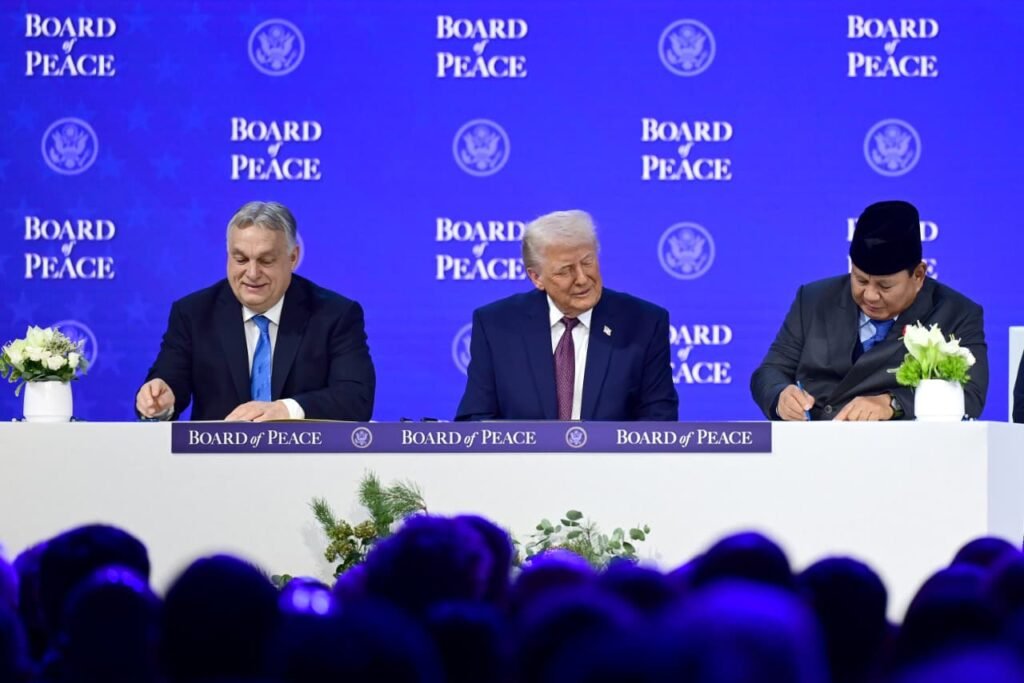
Trouble began abroad when Prabowo signed Indonesia to join US president Trump’s Board of Peace, a new international body established to oversee the reconstruction process in post-conflict Gaza. While the Board seems to carry the right intentions, eyebrows were raised over its role in Indonesian foreign policy, technicalities and the huge amount of rights the board grants its chair. Observers criticized the board for being a project to assert Trump’s control over global affairs. The biggest concern came from the possibility of Indonesia having to pay 1 billion USD in order to guarantee its position in the board after the 3 years of being a member. A potentially lavish spending, considering Indonesia’s Foreign Ministry Budget only stands at 470 million USD.
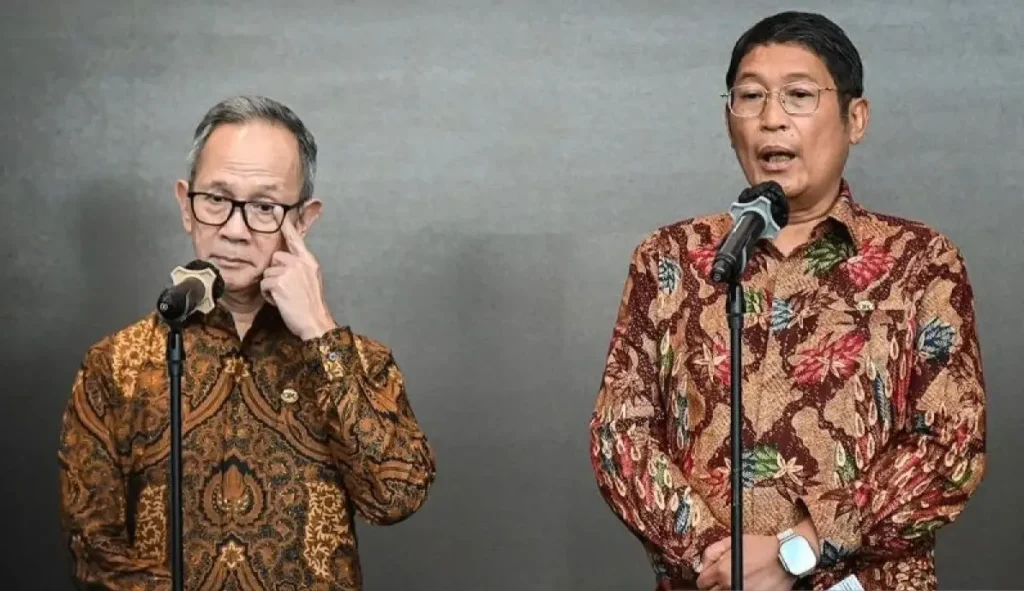
Controversial decisions were being made back home as well. Prabowo’s Nephew, Thomas Djiwandono was selected to be the vice governor of the Indonesia Central Bank after a parliamentary review on 30th January. Djiwandono was picked between 2 other candidates; Kartikoyono and M. Juhro who were career officials in the central banks. The decision was criticised due to concerns on the central bank’s autonomy being on the line with a figure very close to the President occupying such a high position in the institution. Djiwandono brushed off other worries concerning his limited background in finance, claiming that his other capabilities will fill in the gap and urged the public to judge his professionalism regardless of his familial ties to the president.
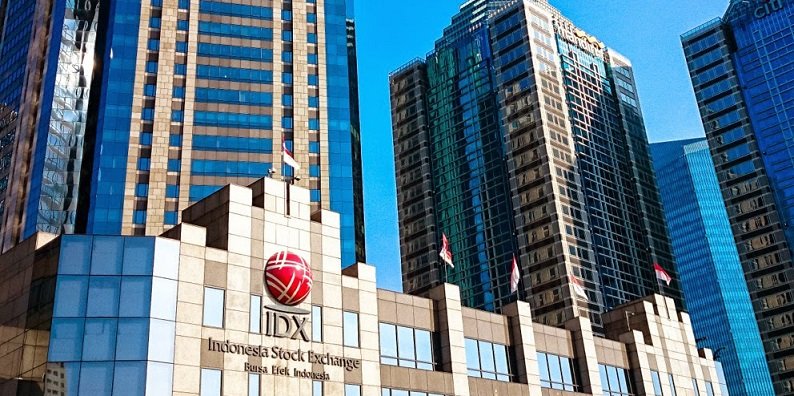
The lead up to Djiwandono’s appointment as vice governor was a shaky affair in its own right. After Djiwandono’s nomination as a vice central bank governor, the Jakarta composite Index (IHSG) plunged 7 to 8 percent on 28th January, causing the index to lose 80 Billion USD in value. The crash began due to the MSCI, a major global provider of investment indices issued a warning to the Indonesian stock exchange. Reports claim this was caused by foreign investors losing confidence over Indonesia’s financial market. Although the government assured the public on implementing new policies to prevent such a situation from repeating, the leadership within the financial service regulator, Otoritas Jasa Keuangan (OJK) submitted their resignation letter. The IHSG has yet to fully recover.
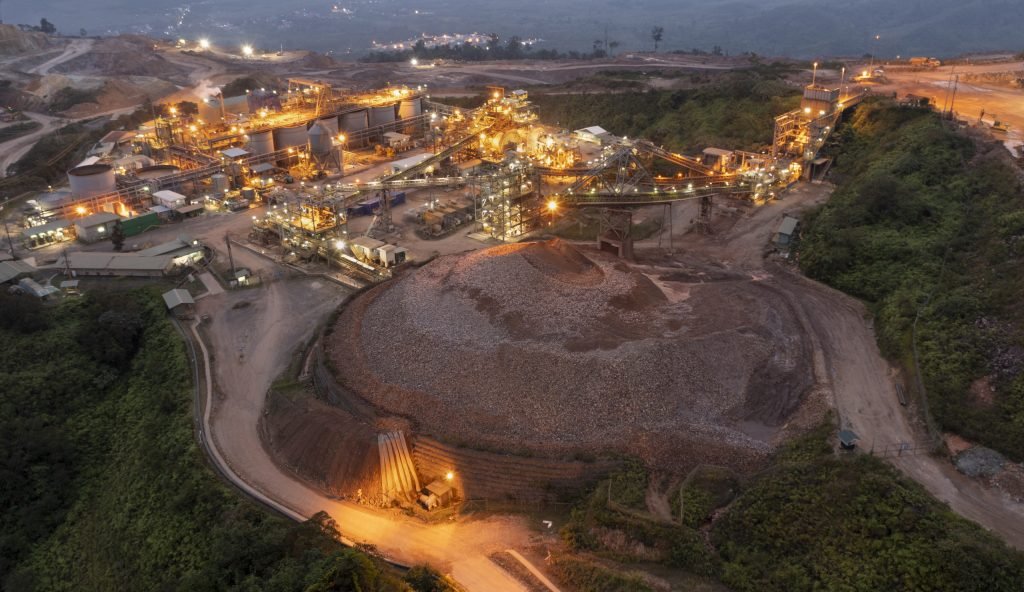
On the same day as the IHSG’s crash, the sovereign wealth fund Danantara announced a new state owned enterprise under the name Perminas. Danantara’s Chief Operating Officer, Donny Oskaria explained that the company will focus on mining and marketing critical minerals, with assets nationalized from PT Agincourt resources. Observers questioned its role considering the already existing MIND ID, a holding company for state owned mining enterprises. To this, officials insisted that Perminas will be solely focusing on critical minerals, they also claimed that Perminas was created under Prabowo’s instructions. Regardless of where the focus will be and whether or not it is redundant, the cost of running the company will be shouldered by the government.
These cases reveal a larger chronic problem within Indonesian statecraft. The government launches initiatives, projects and programs based on trending issues, grants government positions based on connections as opposed to merit and perpetuates state capitalism.
The adverse effects of acting this way are already apparent. With political objectives being fulfilled by economic instruments, foreign investors are losing confidence in Indonesia’s economy, primary economic concerns remain unchecked such as a weakening currency and shrinking middle class. Whether or not this administration’s economic gambit will pay off is yet to be seen, however basic macroeconomic issues such as unemployment and inflation needs to be addressed as well.