
Editor – Southeast Asia Analyst.
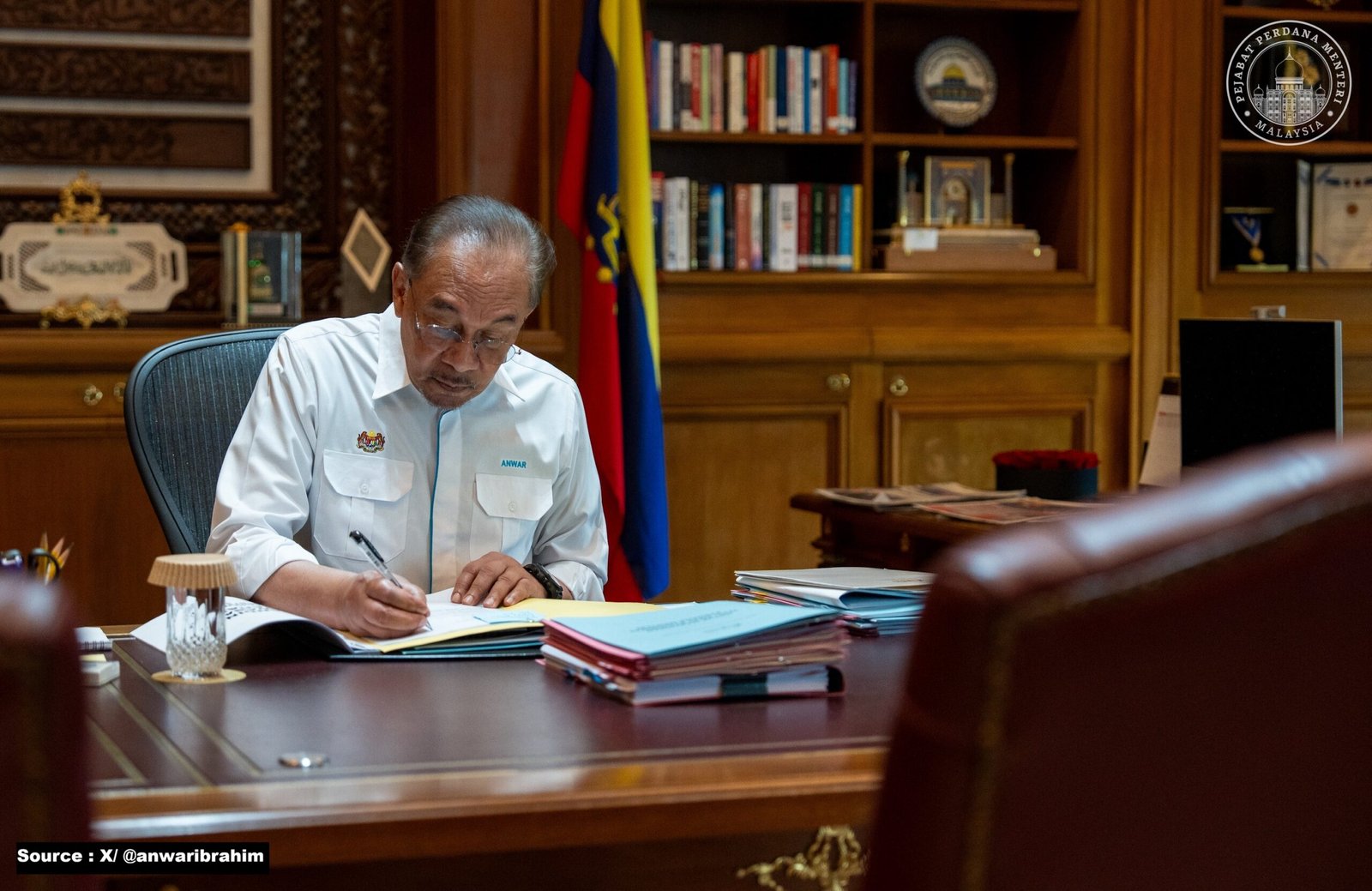
On March 2nd, Malaysia Prime Minister Anwar Ibrahim made an emergency motion in parliament, condemning the Israel – US strike on Iran that killed its Supreme Leader, Ali Khamenei. After holding a moment of silence for the victims of the strikes, Anwar called for an unconditional and immediate ceasefire and urged them to comply with international law as members of the United Nations. He went as far as calling the attack on Iran as barbaric and violent.
The motion picked up bipartisan support with the opposition leader Datuk Seri Hamzah Zainudin commending the government for stern and firm statements opposing “zionist cruelty.” Another opposition parliament member agreed with Anwar and warned that Malaysia could also fall victim to forced regime change.
Anwar’s strongly worded condemnation is juxtaposed against most Southeast Asian heads of states who have yet to publicly condemn the strikes. Indonesia as well has yet to speak out against the US’s and Israel’s decision as its statement was limited to offering itself as a mediator. A proposal that was criticized as unrealistic. Other Southeast Asian countries expressed more concern for their citizens residing in the Middle East and even began articulating evacuation plans.
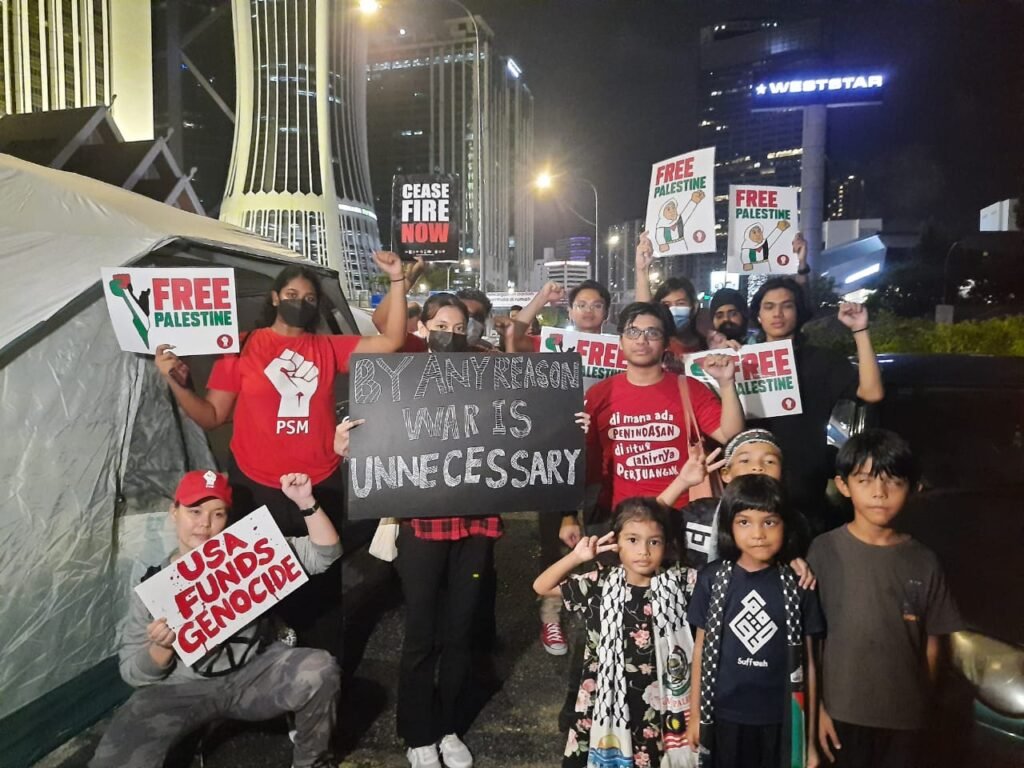
Malaysia’s long held foreign policy and public rhetoric that is critical of Israel and the US’s action in the middle east could explain Anwar’s action. Pro Palestine rallies are common in the country and Israeli passport holders are generally banned from entering its borders. Anwar and his government’s action could simply be a reflection of Malaysia’s domestic conditions.
Alternatively, this could be Anwar seeking a breather for his approval rates. Anwar’s public satisfaction has been on a steady decline with rates struggling to bounce back to above 50% as of early 2026. Numerous protests in February against Anwar mounted pressure on his administration. Criticizing the Israel – US strikes on Iran could be Anwar’s politically safe attempt to pander to the public’s values.
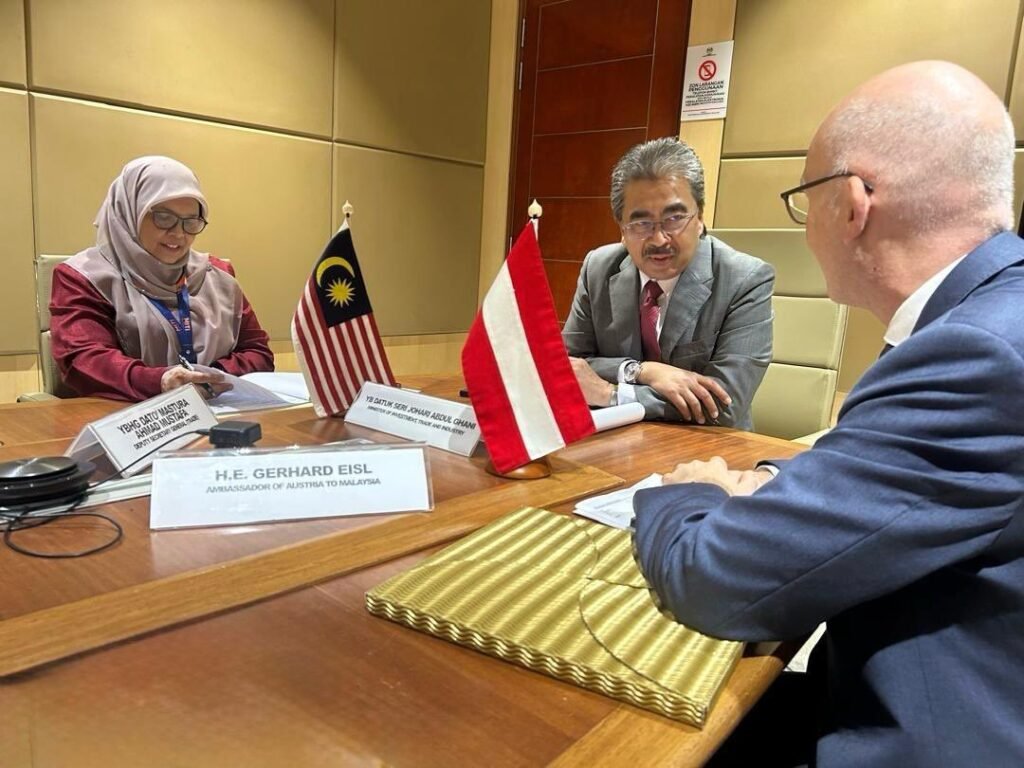
Amidst all this, the concerns on oil prices still lingers. The attack on Iran prompted its revolutionary guard to block the Hormuz strait, the world’s most vital oil export route. Anwar vowed to maintain oil prices as they currently are through the BUDI95 fuel subsidy program that provides cash handouts to lower income individuals. However, he emphasized that there will be no guarantees. His trade minister Johari Ghani, seemed even more pessimistic, claiming that further disruptions on trade is inevitable.