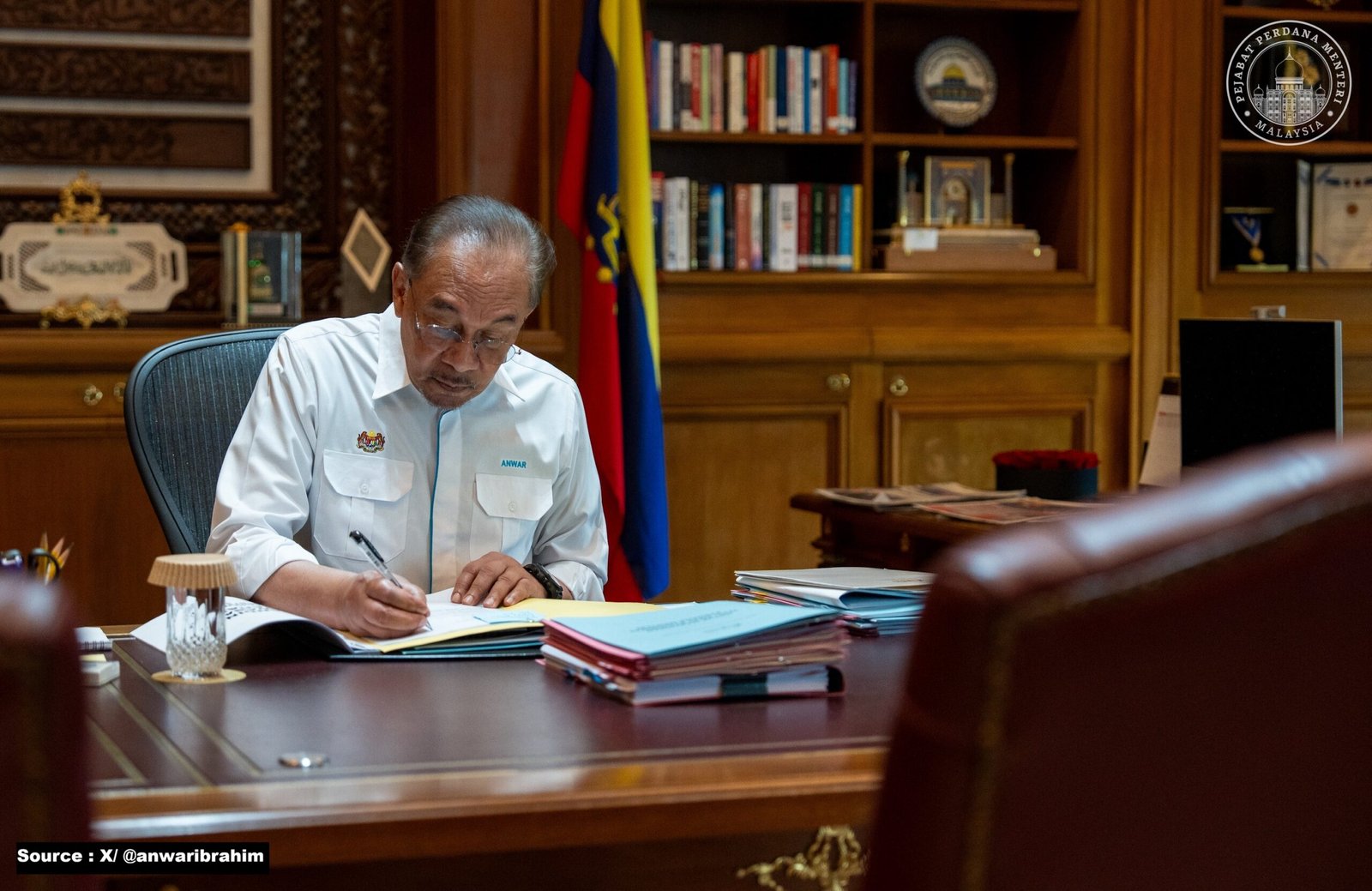
On April 5th, Malaysian PM Anwar urged the opposition to give credit where credit is due to the government in regards to its firm stance against US-Israeli attacks against Iran and negotiating with Iran to allow Malaysian vessels to pass through.
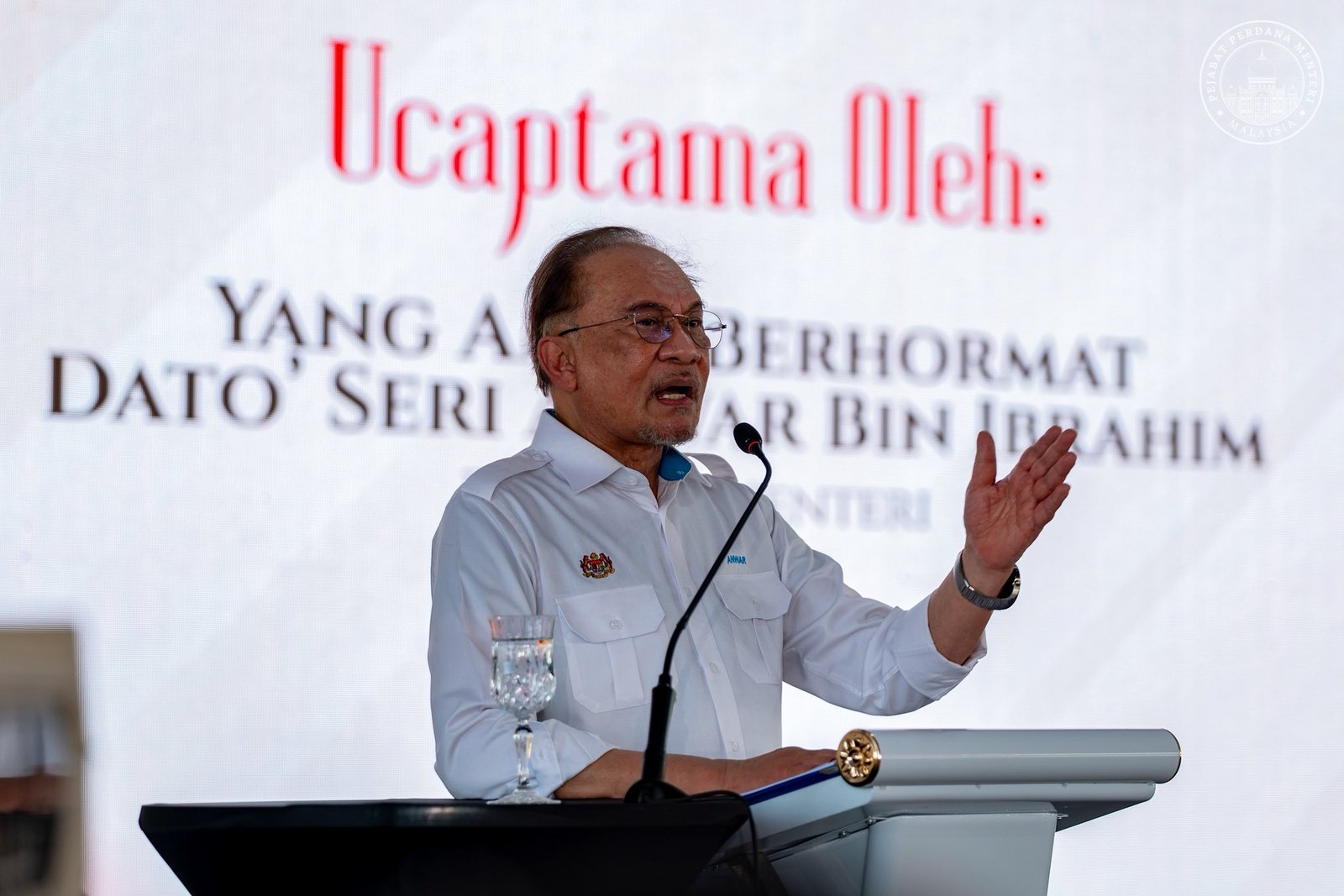
“See how many countries in the world have made a statement as strong as Malaysia did on the Iran war, so give the government some credit, the opposition is not giving credit, thinking it’s easy” he asserted while speaking at the Johor Keadilan convention.
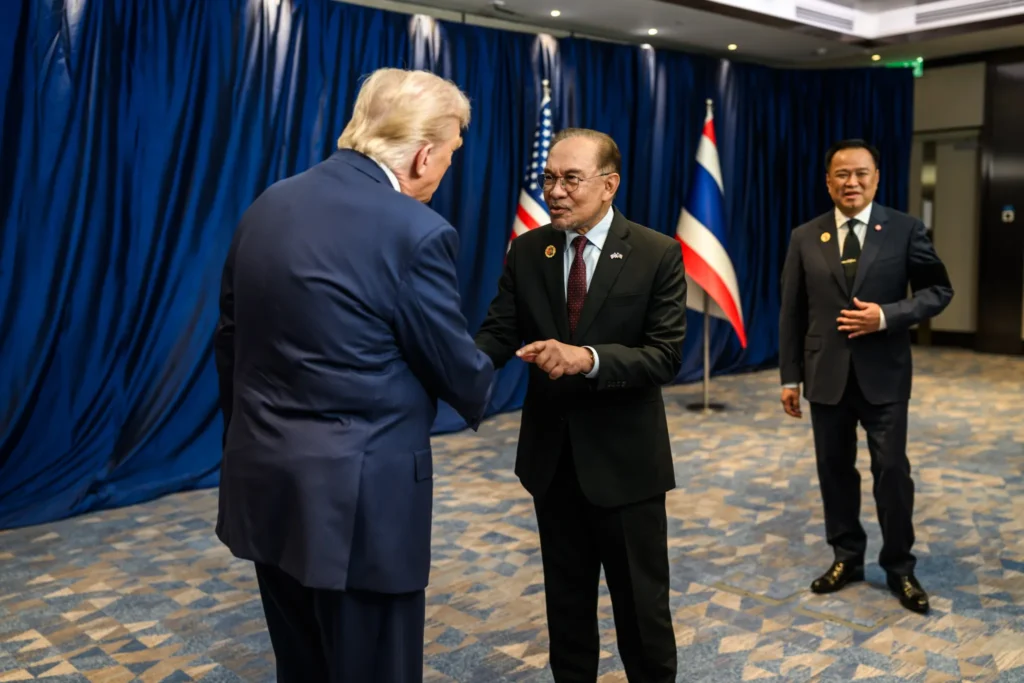
Anwar also acknowledged comments from last year where the opposition criticized him for being too eager to embrace US president Trump and focused on them sharing a ride in the presidential limousine during his ASEAN chairmanship. To this, Anwar claimed that he emphasized on Trump the Palestinians’ death, land subjugation and suffering due to constant attacks during the ride.
President Donald Trump and Prime Minister Anwar Ibrahim shakes hand during 2025 ASEAN summit
He insisted that while his administration is still firm in addressing injustices, it is the “art of diplomacy” that enables Malaysia to maintain good relations with West Asian countries and the US. Anwar added trade and economic cooperation must be managed strategically. His comment came weeks after the opposition called out the government for allowing US warships to be docked in Penang for replenishments despite Anwar condemning US-Israeli strikes on Iran and vowing neutrality.
He closed his remark on Malaysia’s diplomacy by insisting on neutrality. “Some countries push for confrontation and ask whether we are ‘with them or against them’. That approach does not work, we must act with wisdom” Anwar concluded.
Upon a closer look, Malaysia’s diplomatic efforts cushioned the effects from the Iran war. It is the rare one of few countries in Southeast Asia that enjoys passage through the Hormuz strait and where fuel prices for the average consumer have not skyrocketed. Malaysia also maintained a fairly consistent pro Palestine stance while honoring previous stamped out defense and economic co operations.
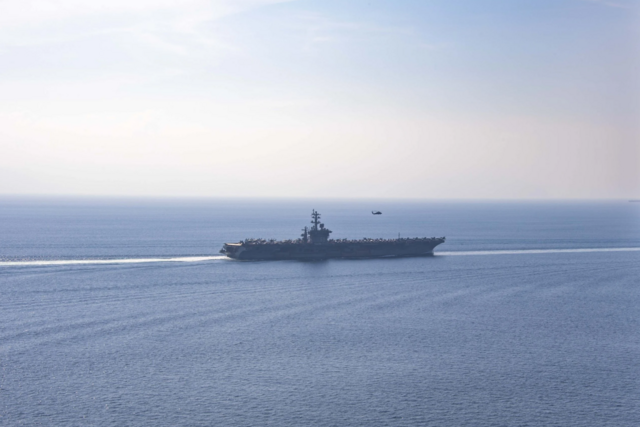
USS Dwight Eisenhower in the Hormuz Strait in 2023. Source : Wikimedia Commons
Although Malaysia holds on to these luxuries it might not be able to do so for much longer. There is still no visible end to the Iran war and with uncertain times, pressure will continue to mount on middle powers such as Southeast Asian countries. No matter how much they try to claim and practice neutrality, every action they take will be subject to scrutiny or worse, retaliation. Being attached to the global economy, Southeast Asian countries will not be immune from external factors such as price shocks. Sacrifices must be made in the interest of sustainability and the choices made by these governments will reveal their priorities.