
Editor – Southeast Asia Analyst.
Towards late 2025, numerous regions in Indonesia were struck by severe flooding. Some scientists link it to the cyclonic weather, while others believe land use change cannot be neglected as a major contributing factor. Given that Indonesia is currently the world’s second most effected country in terms of land degradation and land use change, this warrants an in-depth discussion.
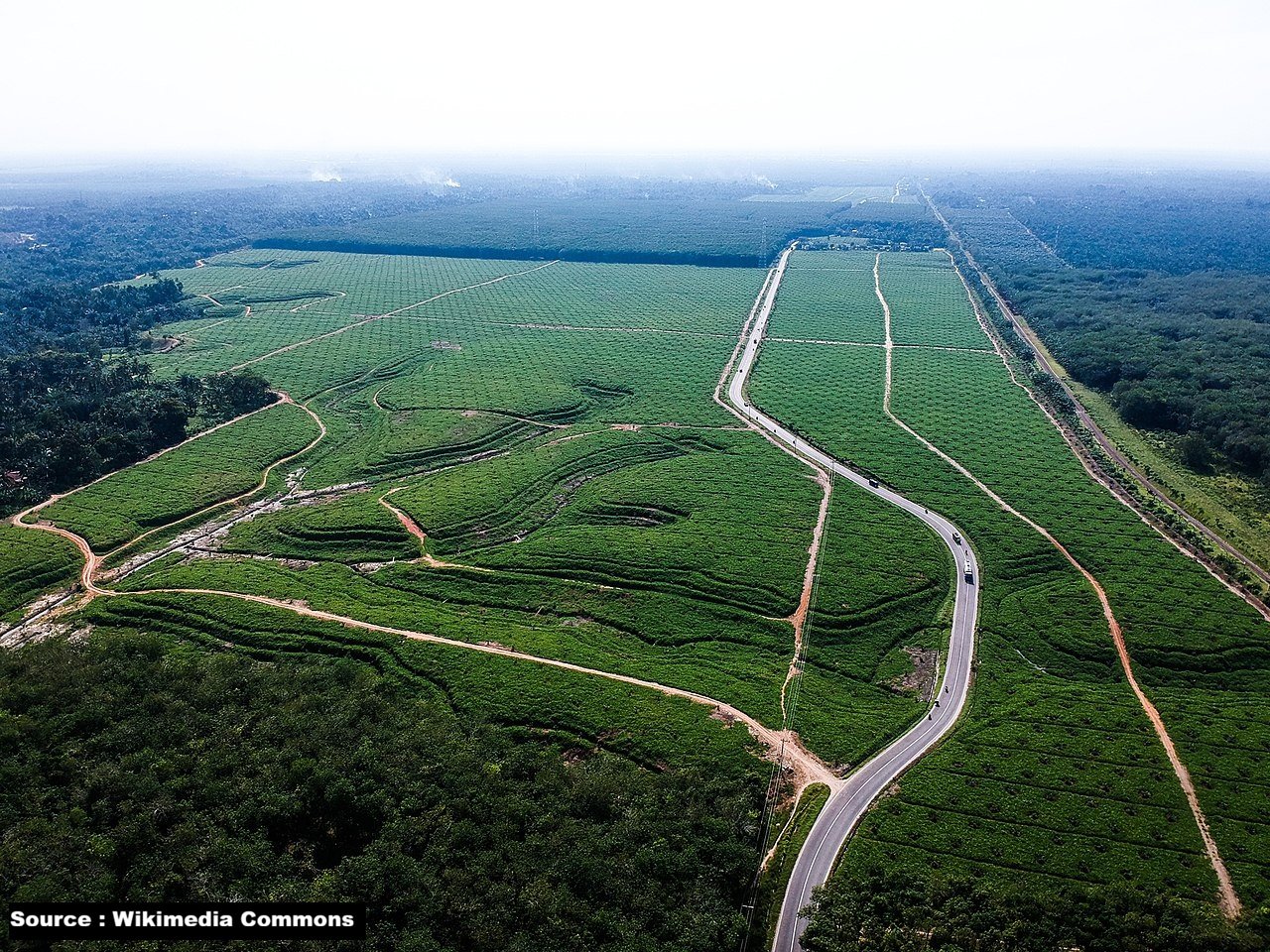
The land-use change trend in Indonesia has worsened over the decades, driven by massive deforestation, palm oil plantation expansion, and rapid urbanization. The latest data displayed that more than 20 million hectares of forest have significantly decreased, with Sumatra and Kalimantan being the ‘sexy’ areas for palm oil expansion.
Every expansion, particularly palm oil plantation expansion has consequences that extend far beyond economic benefit.
Economic benefit versus ecological loss. What to choose?
Since palm oil plantations were first promoted as the answer to rural unemployment and anchor of national development, it became a key source of environmental vulnerability and social conflict. Across Sumatra and Kalimantan, the majority of palm oil plantations altered the landscape, often at the expense of forests, watersheds, and, crucially, indigenous land rights.
This transformation increased the ecological disasters risk, including landslides and flash floods, as the clearing of forests may disrupt natural water absorption and soil structure. Simultaneously, unresolved land tenure systems and weak legal enforcement raised conflicts among indigenous communities, giant corporations, and policymakers, leaving many people excluded from decisions that directly affect their livelihoods.
The palm oil industry, once praised as a symbol of the nation’s prosperity, now stands at the center of an ongoing debate between short-term economic benefit and environmental and social justice.
Short-Term Economic Benefit vs Long-Term Social Loss
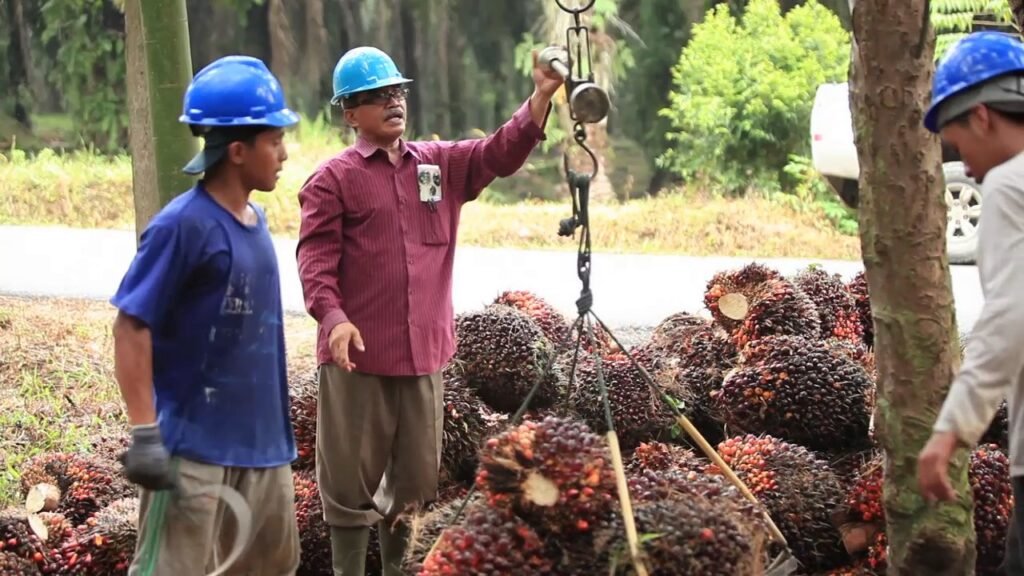
Indonesia’s palm oil business is widely acknowledged as one of the country’s most crucial economic drivers, alongside manufacturing and wholesale trade. Since palm oil has become a primary global commodity, Indonesia has an important position as a central player in international agricultural markets. This is reflected in export performance: between January and August 2025, palm oil export revenues surged by 43 percent, or approximately US$24.79 billion, supported by established global market prices and increased production.
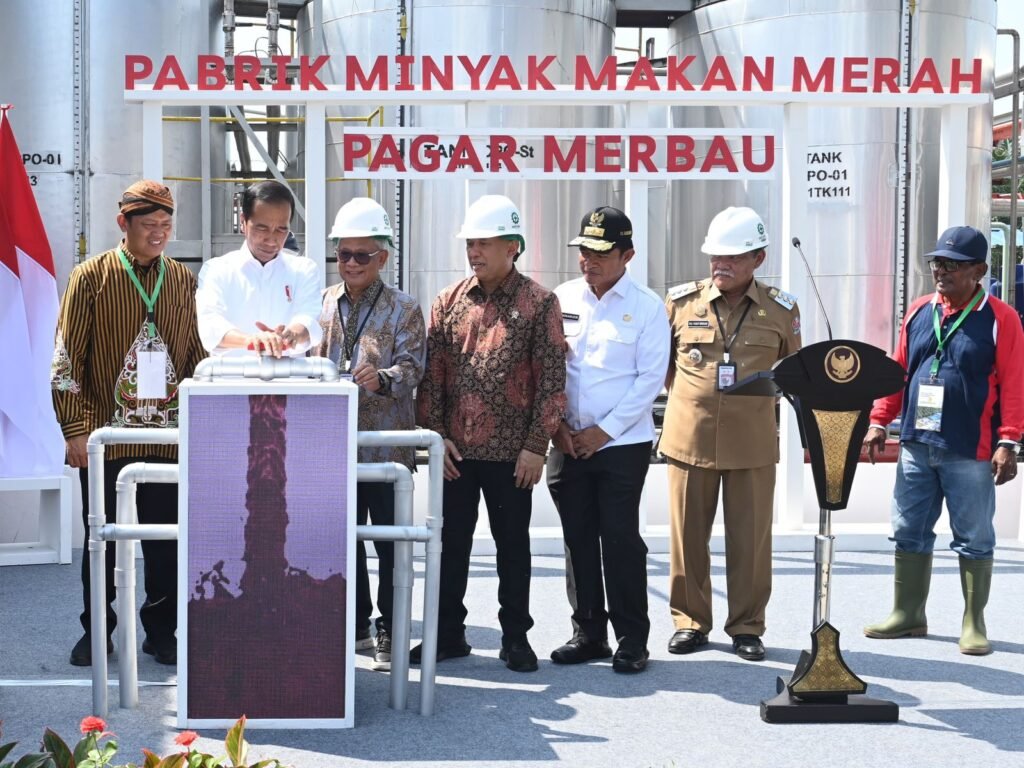
These figures underscore the long-standing fact that the palm oil industry contributes to the nation’s prosperity by generating export revenue, expanding employment opportunities, and supporting national development. The sector is described as the major contributor to Indonesia’s trade balance and workforce absorption.
Unfortunately, these impressive economic indicators reveal a complex reality at the grassroots level. The prosperity often associated with palm oil expansion and development is not distributed fairly. Many critics raised concerns about the expansion of this industry, noting that the profits and revenues gained have focused on nurturing giant corporations and political elites. At the same time, rural or indigenous people continue to bear structural poverty. For these marginalized groups, the massive expansion of palm oil frequently brings land dispossession. At this point, ‘prosperity’ becomes deeply questioned: what is the essential meaning of prosperity if indigenous people suffer and lose their ancestral lands?
Prosperity or Poverty?
For decades, Indonesia upheld the constitutional mandate, Article 33 point (3), which declares that “land, water and the natural resources within them shall be controlled by the state and utilized for the greatest prosperity of the people”. In principle, this provision entrusts the state with managing natural wealth to ensure collective welfare.
However, reality tells a different story. Indigenous communities – particularly those living in resource-rich areas suffer dispossession rather than enjoy the government’s development programs. Over the past several decades, they have lost approximately 11.7 million hectares of ancestral lands due to the rapid expansion of extractive industries. At the same time, agrarian conflicts have surged nationwide, reaching red-alert levels. Nearly 700 agrarian disputes have been recorded, linked to extractive activities, with palm oil plantation expansions alone being responsible for 111 cases. These conflicts have affected millions of indigenous people and thousands of rural households.
Kalimantan offers a clear example, where three powerful companies within the First Borneo Group have replaced primary forests with palm oil plantations. They hold land concessions that cover more than 70,000 hectares, which raised environmental and social concerns for the Dayak ethnic groups.
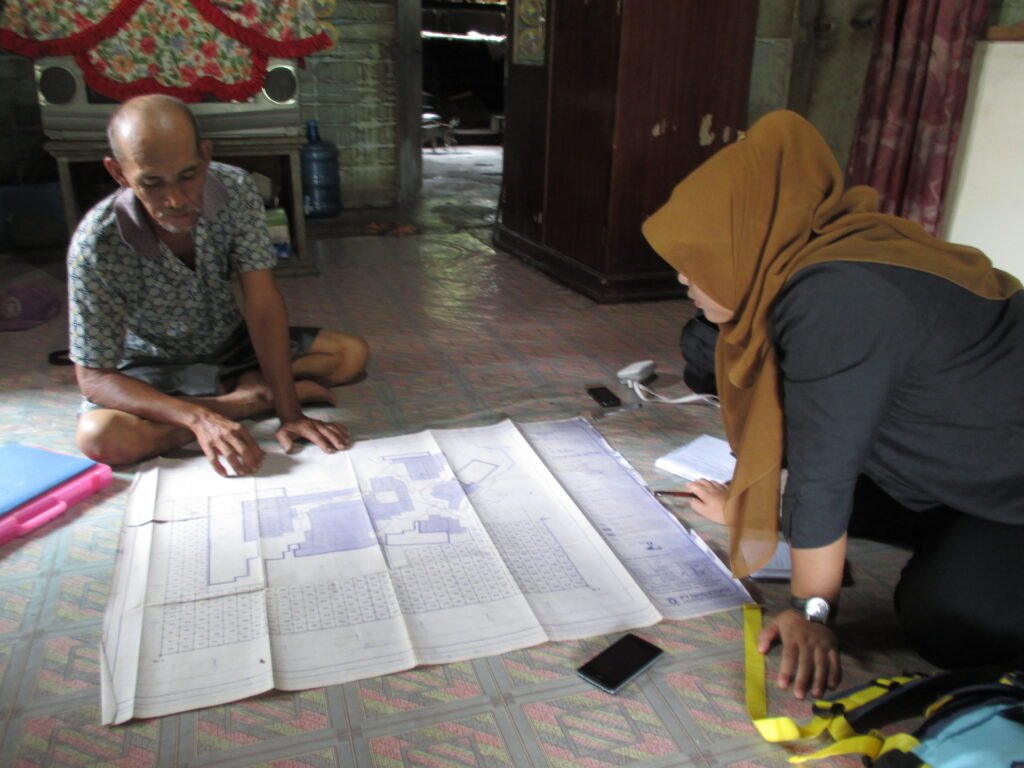
Saduri (53), a Dayak Ngaju man that I have interviewed on my fieldwork, revealed the facts about the expansion of palm oil plantation in his village; “…this land used to belong to our ancestors, the Ngaju Dayak tribe, especially the land adjacent to the river in the forest, now it is difficult for us even to enter our own land, they say it has been fenced, we have no right to enter because we don’t have land certificates…”
For majority of Dayaks, lands and forests are sacred; it is not just a physical space, but it is the foundation of their life. When their land is occupied by others, they do not simply lose their authority and territory; they lose their means of survival. Forests have long provided them with staples such as food, herbal medicine, materials for shelter, and a source of income. Once forests disappear, they lose the ability to sustain their families. Losing access to their ancestral land, many Dayak families are pushed into vulnerability and poverty. What was once a self-sufficient way of life is replaced by dependence on cash income and market food, which many of the Dayaks could not afford. In this phase, land dispossession does more than disrupt the ecological spaces – it dismantles an entire livelihood system, leaving families struggling to feed themselves and secure a dignified future.
Lengga Pradipta is a PhD researcher in Institute of Asian Studies, Universiti Brunei Darussalm