

Editor – Southeast Asia Analyst.
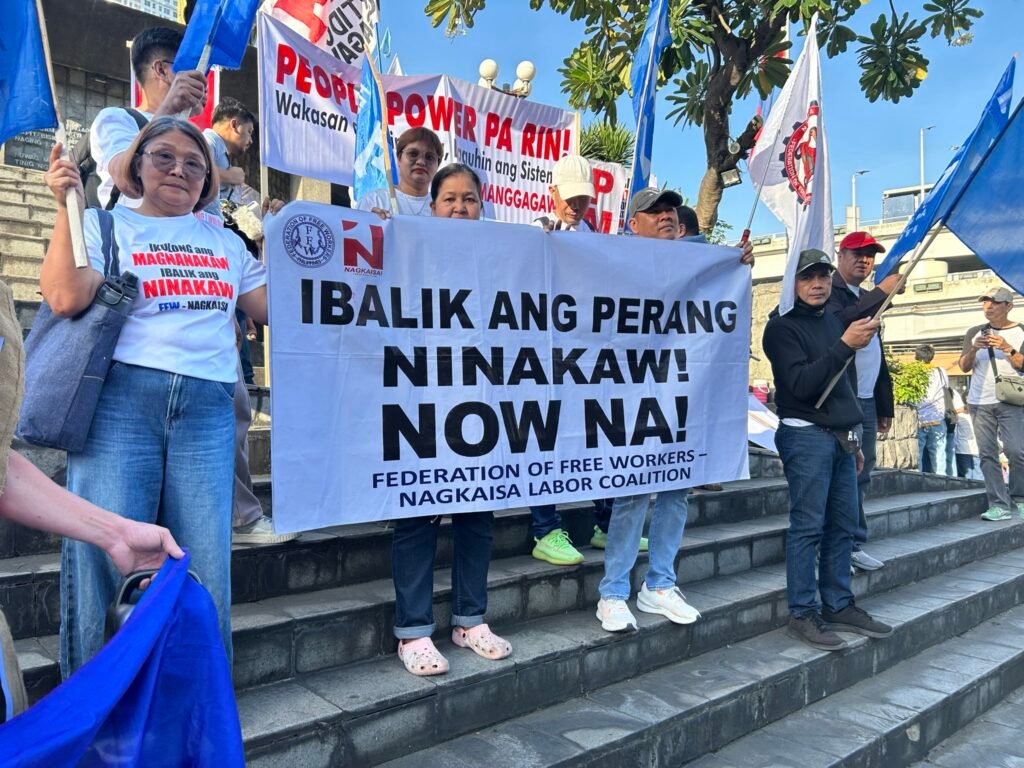
One of the primary demand from protestors marching in Manila during the Edsa 40th anniversary (25th Feb) is for the anti dynasty act to be passed and enacted. Under this measure, members within the same political dynasty (family) will be prohibited from holding successive and simultaneous public office.
The demand is picking up pace, it is a key theme in Edsa March, 12 senators having signed a committee report on the anti dynasty act and the bill is set for house debate in two weeks. While the redrafted constitution in 1987 bans political dynasties, congress has yet to pass an implementable law.

Backing this movement are not only protestors and political networks but also Catholic organizations that requested lawmakers to close loopholes surrounding the law.
The push for this law is juxtaposed against a turbulent political climate in the Philippines. President Marcos Jr and his inner circle have been under fire for alleged corruption. Vice President Sara Duterte announced her presidential candidacy for 2028 and her International Criminal Court (ICC) detained father and former president Rodrigo Duterte‘s legal proceeding is gaining traction. All of these figures are beneficiary to political dynasties.

This isn’t the first time an anti dynasty bill was brought to question. Multiple times throughout the 1990s, 2000s and 2010s. Bills were submitted, passed through the senate but rejected by the house of representatives. Former senator in the 8th congress, Teofisto Guingona Jr pointed to the house occupied by numerous inter relatives that it was impossible to get the house to approve it.
As late as August 2025 there was an effort to make the anti dynasty law to be more feasible. The commissioner for the commission on election, George Garcia proposed that the anti dynasty law will prohibit family members of incumbent officials up to the second degree of consanguinity from seeking public office. Despite attempted compromise, nothing came of it.
Other Southeast Asian countries are in similar situations. While the constitutions prohibit political dynasties, an implementable law has not been passed by the final decision maker or vetoed by the other branches of government. The Philippines will be the first of its kind in the region if this law passes.