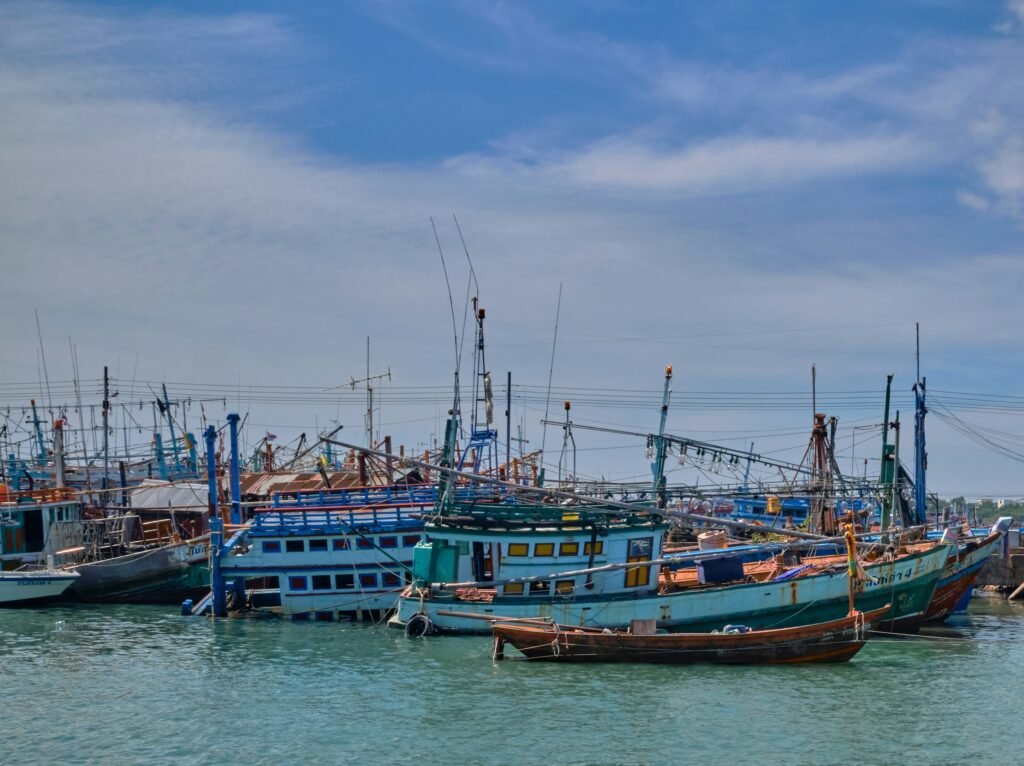
Thailand’s sluggish economy is facing yet another obstacle due to the oil shortage and the war in the Middle East that caused it. Rising fuel prices are making all transportation more costly. Airliner tickets are increasingly unaffordable and fishing vessels are stranded at the coast as fishermen can simply no longer afford diesel fuels.
The tourism industry which failed to recover to pre-pandemic numbers is also facing obstacles due to rising flight prices and disruption in transit hubs such as the UAE. Weekly foreign arrivals from Europe and the Middle East have already dropped by 18%.
Ko Samet, Phe, Mueang Rayong District, Rayong, Thailand. Source : John Mukiibi Elijah
Light and heavy industries alike are not safe either. Petrochemical shortage and fuel spikes will likely increase production cost for aluminum, paper, steel, concrete and even plastic packaging. Without the government’s intervention to manage energy price balance, the high prices and product shortage will be faced by the consumers which will likely accelerate cost push inflation in Thailand.
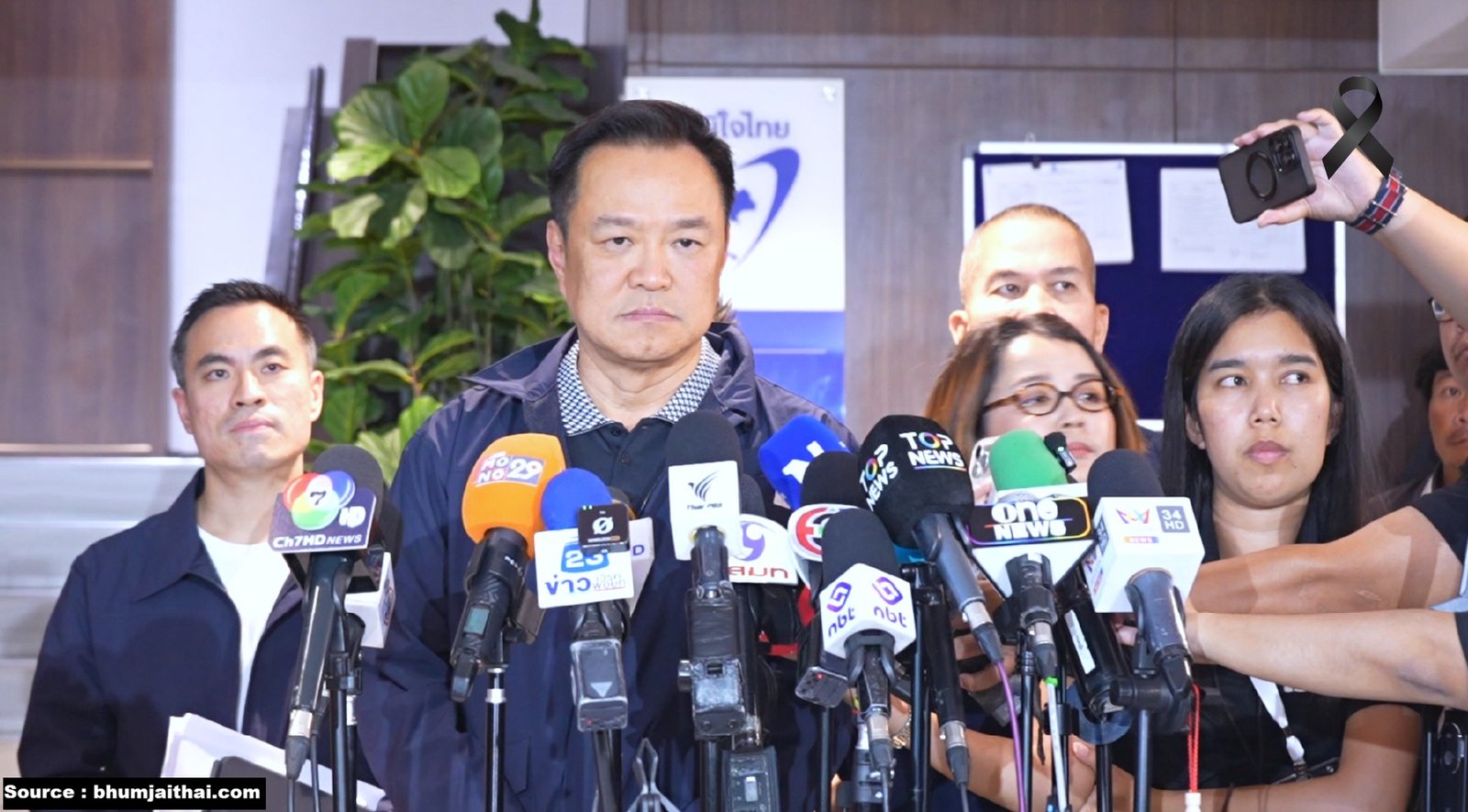
Business associations and interest groups were quick to voice their concerns and urge intervention to the government. Leaders from the National Fisheries Association of Thailand requested the government to cap diesel prices as it is for the general public. The Thai Hotel Association president (THA) also urged the authorities to launch a serious energy saving campaign and provide clear communication to the domestic energy situation.
Thailand’s oil fuel fund that has been subsidizing the commodity to cap its price at 30 baht (0.93 USD) per liter is under heavy strain. Since early March it incurred 32 Million USD in losses on a daily basis. With such pressure, the finance ministry is considering taking on more government loans along with other plans to finance the oil fuel fund. Finance Ministry’s permanent Secretary Lavaron added that tax reduction on oil will be the last resort.
With Thailand’s debt to GDP ratio already at 66% as of January 2026 and its economic growth far slower than its neighbors, there is no easy way out for the government and the ultimate cost will be faced by the people.
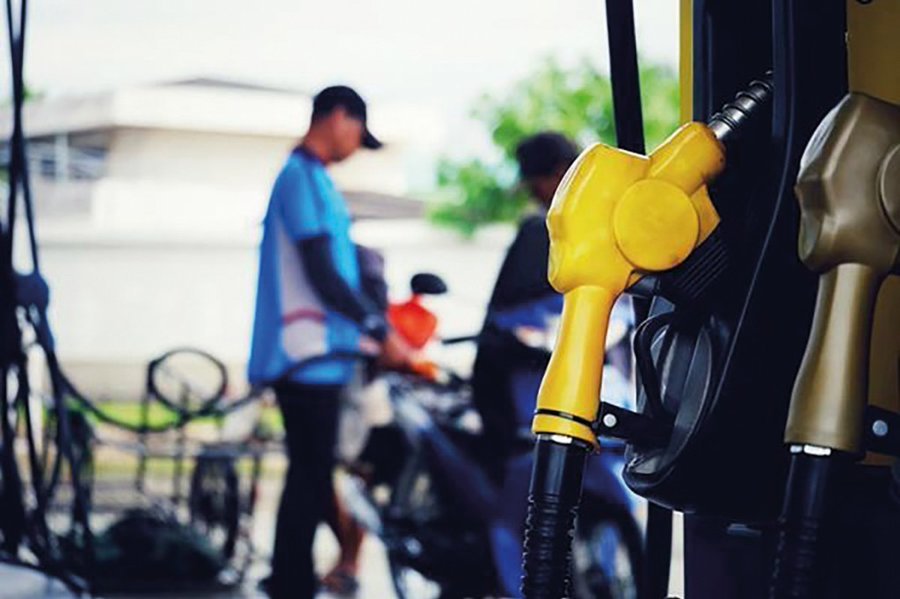
Gas Station in Thailand. Source : X.com / @prdthailand
Although Thailand benefits from having a near self-sufficient refined oil supply from its refineries, it is still largely dependent on crude oil imports. Structural limitations such as these must serve as a wake up call for the government.
PM Anutin’s coalition won the election based on nationalism but more importantly; straightforward economic promises to the general public. It is high time for his administration to deliver on it regardless of current global issues. Alternatives are available. Expanding renewable energy plants or even buying Russian crude oil are on the table. The choices the administration makes will determine if their allegiance is to his voters or greater players in the geopolitical chessboard.