
Editor – Southeast Asia Analyst.
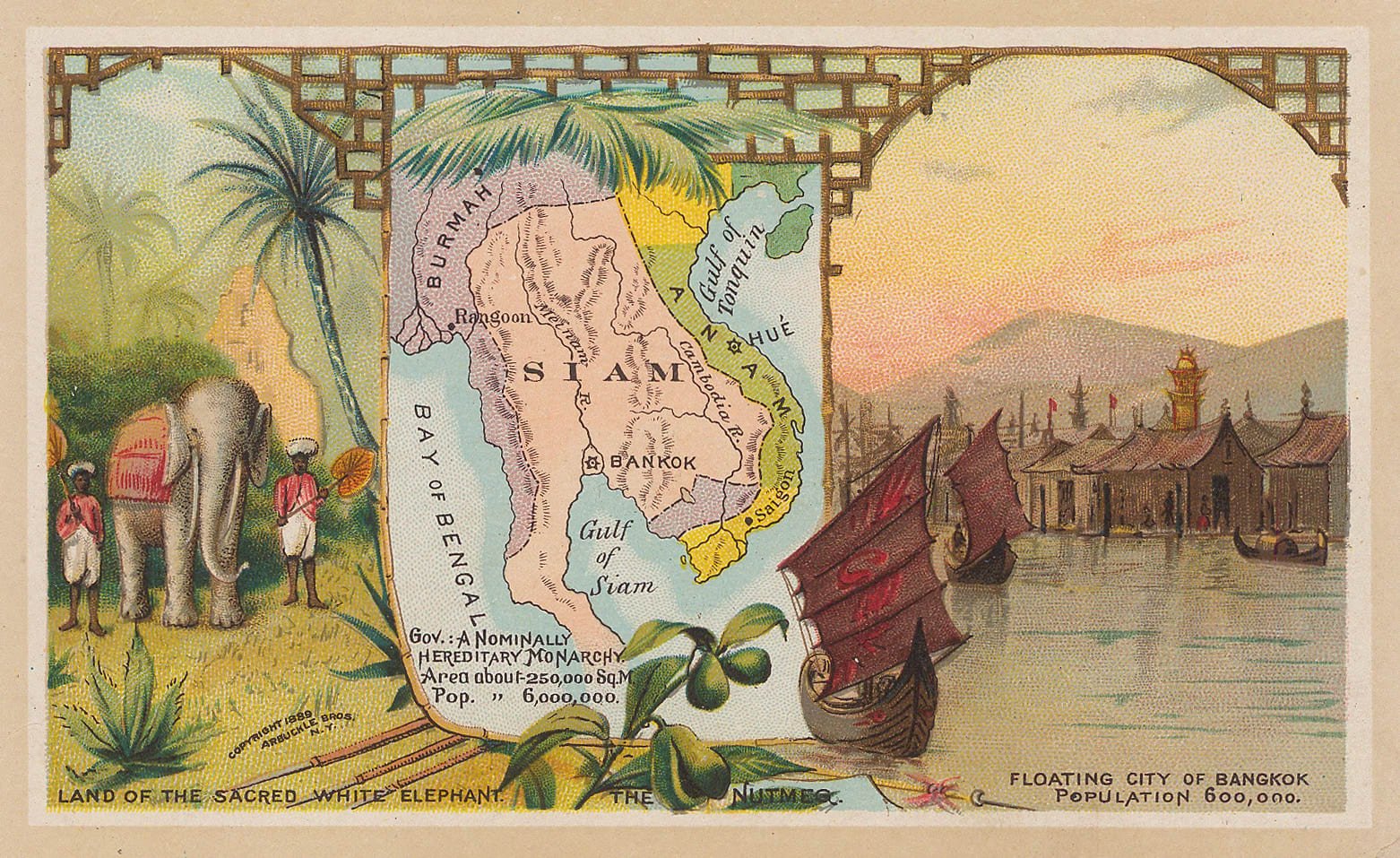
Thailand, formerly known as Siam during the colonial era, could be best described as a sandwich. From the mid-1800s to the 1940s, Thailand’s neighbors in Southeast Asia were colonized by Western powers: the British controlled Burma and Malaya, while the French dominated Indochina. As a result, Thailand was geographically surrounded by Western colonial powers. However, unlike its neighbors, Thailand was never colonized. This exceptional position was largely due to Thailand’s domestic stability and its strategic diplomacy as a buffer state in Southeast Asia. King Chulalongkorn, the fifth monarch of the Chakri dynasty, initiated extensive modernization reforms to prevent Western intervention. These reforms included railways construction, modernizing the legal system, and restructuring the state’s administrative apparatus, alongside improvements in education and human capital. Through these efforts, Thailand cultivated a reputation as a “civilized” state in the eyes of Western powers, making direct colonization costly and unnecessary.
Additionally, Thailand demonstrated remarkable diplomatic skill in managing tensions between competing colonial powers. During conflicts with France, the Thai government ceded Laos and parts of Cambodia in exchange for preserving its sovereignty. Similarly, Thailand allowed British influence in Malaya to expand to avoid direct confrontation with it. These strategic concessions enabled Thailand to maintain its independence while functioning effectively as a buffer between rival empires. Although colonialism has since ended and Thailand no longer serves as a buffer state between imperial powers, this strategic tradition persists. In the contemporary era, Thailand has become a Southeast Asian state notable for its ability to hedge between major global powers, particularly the United States (US) and China.
Today, both the United States and China have expanded their influence across Southeast Asia through various channels, including culture, military cooperation, and economic engagement. The United States often promotes its military partnerships and democratic values as key instruments of influence, while China relies heavily on economic initiatives, infrastructure projects, and investment as its primary tools of engagement with ASEAN member states.
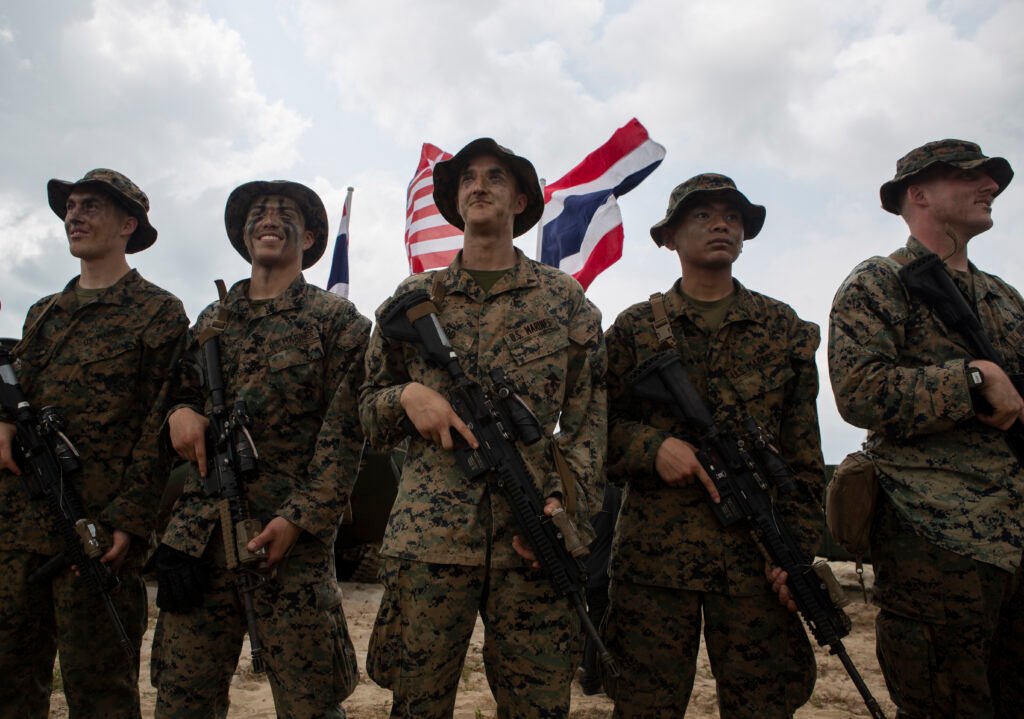
Thailand maintained strong relations with both powers. On one hand, it has been actively involved in China’s Belt and Road Initiative (BRI) and has consistently welcomed Chinese investment, particularly in strategic sectors such as electric vehicles (EVs). On the other, Thailand continues to deepen its cooperation with the United States. Both governments regularly conduct joint military exercises, most notably Exercise Cobra Gold, and Thailand remains one of the United States’ major buyers for military equipment. This dual engagement illustrates Thailand’s ability to balance U.S. and Chinese influence while advancing its national interests. However, in recent years, Thailand’s capacity to sustain this strategy appears to be gradually declining.
In recent years, particularly since 2021, Thailand appeared to tilt more toward China as opposed to the United States. This has raised questions. Will Thailand still continue military drills with the US? Will every actor in Thailand lean more to China than the U.S? The answer to both questions is nuanced. Thailand still conducts joint military exercises with the United States; however, these engagements have become more symbolic when compared to the depth of Thailand’s economic cooperation with China. Moreover, certain actors, most notably the military, remain more friendly toward and trusting of the U.S. than of China. Nevertheless, the military does not hold the economic leverage necessary to directly improve the livelihoods of Thai citizens.
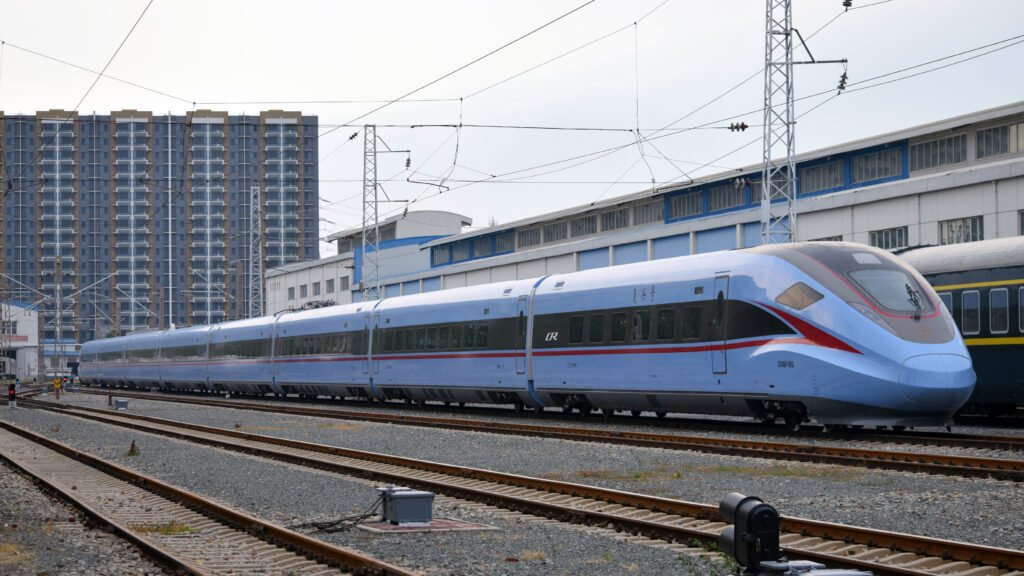
From an economic perspective, Thailand has become increasingly dependent on China. In 2021 alone, trade volume between China and Thailand reached approximately USD 100 billion. In addition, the Thai government has actively cooperated with China in the development of data centers and major infrastructure projects, such as the Bangkok–Nong Khai high-speed railway. Simultaneously, Chinese investments in sectors including automotive manufacturing, electronics, aerospace technology, and digital platforms have continued to expand in Thailand. Beyond economic projects, China also plays a significant role in Thailand’s tourism sector. Before the COVID-19 pandemic and again after, Chinese tourists have consistently been one of the largest foreign tourist groups in Thailand. Taken together, these factors demonstrate how China has gained greater influence in Thailand compared to the United States, as economic benefits and income generated from China are highly visible and directly impactful for the Thai population.
Thailand’s growing economic dependence on China may appear advantageous in the short term; however, it carries serious long-term risks, particularly if Thailand abandons its long-standing hedging strategy. History suggests that Thailand has survived and even prospered by carefully balancing external powers, and the consequences of over-alignment today could be far more severe than the pressures it faced during the colonial era or the Cold War.
Regardless of the scale of economic benefits Thailand derives from China, Beijing’s expansionist behavior in the South China Sea poses a direct challenge to Thailand’s economic interests and freedom of navigation. Should regional tensions escalate, Thai commercial and maritime activities could face increasing constraints, while Bangkok’s diplomatic flexibility would be severely limited. A government that is deeply economically dependent on China would find it increasingly difficult to criticize Beijing’s actions or advocate for genuine neutrality in times of crisis. More critically, if Thailand were to oppose Chinese national interests that undermine ASEAN members including Thailand’s own sovereignty China would possess substantial leverage to exert economic pressure, potentially through disruptions in trade, investment, or supply chains. Such coercive economic tools could inflict significant damage on Thailand’s economy, exposing the structural vulnerabilities created by excessive dependence.
Therefore, it is imperative for Thailand to reinforce and sustain its hedging policy. Maintaining strategic balance rather than drifting into reliance on either China or the United States is not merely a diplomatic preference, but a necessity for preserving Thailand’s autonomy, economic resilience, and long-term national security.