
Editor – Southeast Asia Analyst.
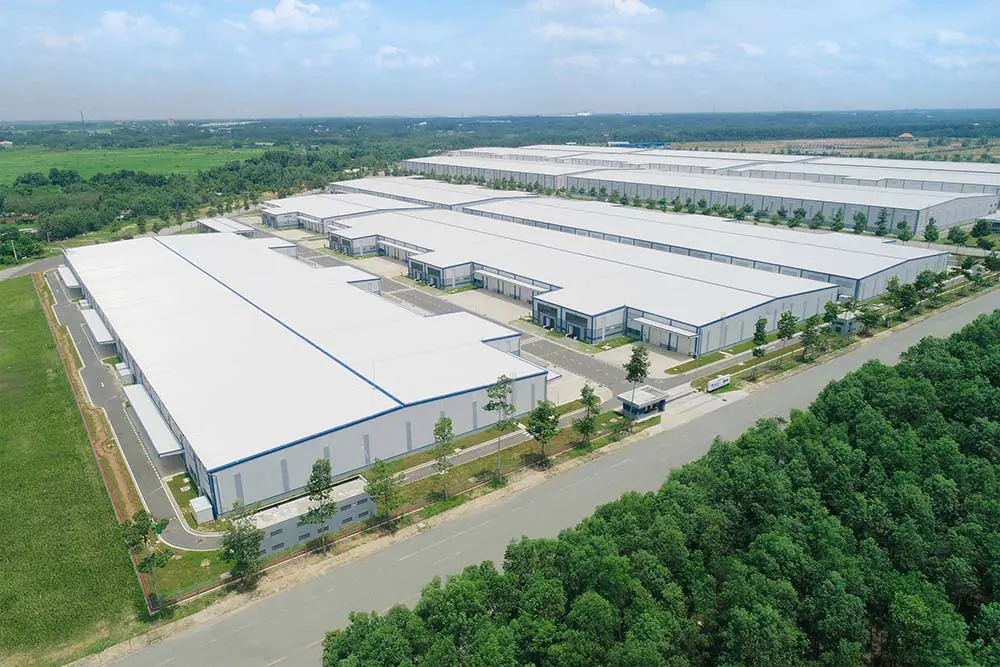
Over the past years Vietnam attracted Foreign Direct Investments (FDI) left and right. Although not leading the pack within Southeast Asia, Vietnam showed impressive gains in attracting FDI from various corporations spanning multiple industries. In 2025 alone, it amassed 27.62 Billion USD, an unseen nine percent increase in FDI from the previous year. This is not by accident or luck either. The government implemented various policies to make Vietnam a competitive player within its region to attract FDI.
While the blazing furnace anti corruption campaign that targeted both the public and private sector spooked investors for a considerable time period, Vietnam recovered quickly and got to work. It removed bureaucratic red tapes and digitized the application process, liberalized laws to make it easier for foreign professionals to work in Vietnam and implemented tax holidays to high tech industry investors, among them are tech giants NVIDIA and Samsung. In short Vietnam offered these corporations an offer they could not refuse.
While the success in amassing wealth is undeniable, the same cannot be said for receiving technology transfer, or at least it is not noticeable yet. There has been a consistent gap between domestic and foreign firms that operate in Vietnam from 2011 to 2020. Despite the seeming willingness from the government to achieve technology transfer, it has not yet figured out a fine-tuned approach to it. Additionally, it does not coordinate, mandate or incentivize tech transfer from investors. Other than the inaction from the government’s roles, there are other structural limitations as well.
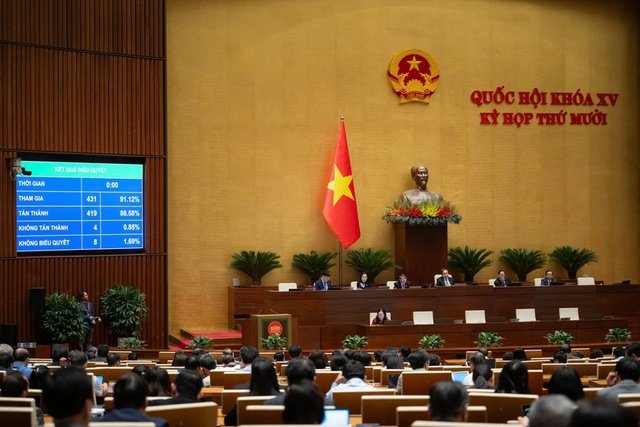
A frequently cited reason is that domestic firms are still budding and incapable of receiving the technology. This is due to its relatively new economic liberalization that only started in 1986. Additionally, although the new focus is on high tech industries, the overall goal concerning FDI prioritized quantity over quality. This attracted firms that only require simple technology, Vietnam’s market size and low labor cost. The investors are not helpful either. Japan and South Korea dominate the high tech industry however they operate in a closed system, bringing with them their own suppliers and maintaining only limited local connections.
The concern of this is that Vietnam might fall into dependency and stay confined to the least valuable bracket within any supply chain such as assembly while continuing to lack its own research and development capacity. It is a problem that most of its fellow Southeast Asian countries fall into. Developing countries relax their regulations and laws cave in to the demands of foreign firms with the intention to attract investment. However this comes at the cost of the government losing control and worse yet, the workers being disadvantaged and the environment damaged.
Dealing with FDI has always been a tricky business. On one hand, a country might have to sacrifice control but on the other, it brings wealth, employment and possibly technology transfer if the cards are played right. A time tested method of receiving technology involves using just the right amount of protectionism to grow domestic firms and making them capable enough of engaging in joint ventures with their foreign counterparts. China, Japan and South Korea followed this model to produce well renowned tech brands. Without a doubt this is an arduous task that could take generations.
However not all hope is lost for Vietnam, it still holds the advantage for hosting a “golden demographic” with a plentiful workforce that is still affordable. As a one party state it is relatively politically stable compared to its neighbors. All that is missing is the right policy package and statesmanship to transform Vietnam into a country that would not be dependent on foreign funds.