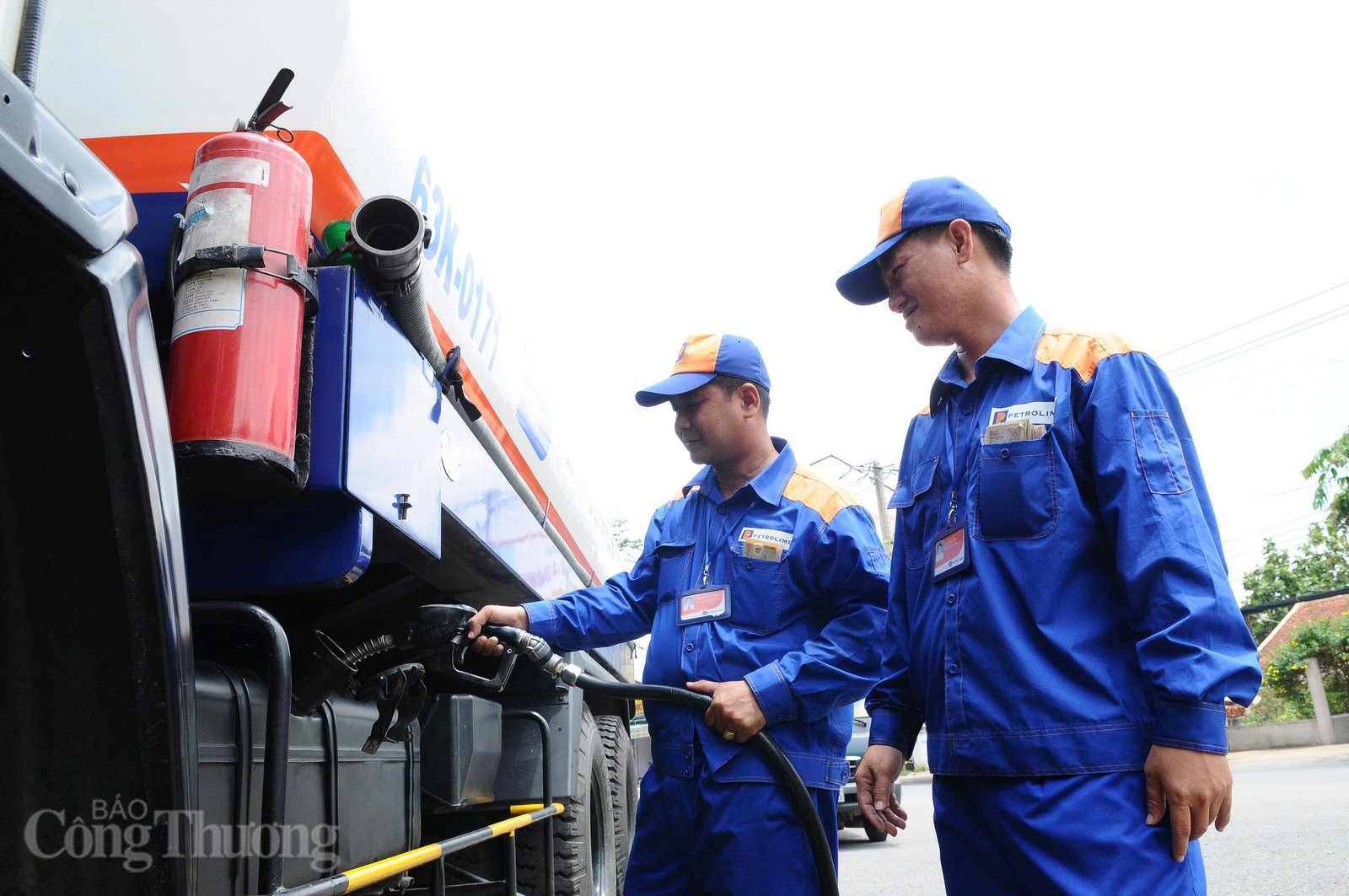
In an effort to stabilize oil supplies, Vietnam slashed import tariffs on fuel related products to 0% through a government decree. The products involve jet fuel, diesel, kerosene, petrol blending components and other petrochemicals. The decree will take effect from March 9th to April 30th.
The decree was followed by Vietnam’s State Owned Oil company Petrovietnam (PV) proposing to stop all oil exports from the country and the industry and trade ministry unveiling plans to roll out biofuels a month earlier than originally scheduled.
The decisions come amid global oil shortage due to tensions in the middle east which spiked global oil prices by over 25%.
Although seemingly extreme, this is not the first time the Vietnamese government reduced tariffs on oil imports to 0%. Similar measures were taken separately in 2019 in 2011 in an attempt to stabilize Vietnam’s oil supplies. However, the effectiveness of these policies are not well documented.
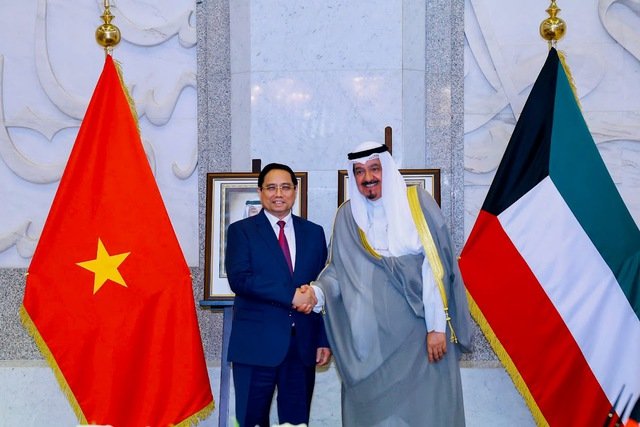
Prime Minister Pham Minh Chinh and Kuwait’s Prime Minister Sheikh Ahmed Abdullah Al-Ahmad Al-Sabah. Source : Socialist Republic of Vietnam Government News.
Other proposals from Prime Minister Pham Minh Chinh who warned rising energy prices could weaken Vietnam’s competitiveness in international markets are under review. In a meeting with the national task force on energy security, Pham urged diversifying oil import sources, promoted transition to cleaner energy in the long run and urged the public to avoid panic buying.
Vietnam’s 2 main refineries Nghi Son and Dung Quat are currently operating at maximum capacity but there is no publicly available information on how long the supplies in Vietnam will last.
Vietnam’s reaction to the situation in the middle east is one of various from Southeast Asian governments that reveal what they prioritize. Some were first to evacuate their citizens while others ordered their military to stay on high alert. The extra miles that Vietnam is taking confirms that it places its international competitiveness as a primary concern.
Manh Chien Nguyen is a Mainland Southeast Asia columnist for Southeast Asia Analyst, based in Hanoi.