Singapore’s Economic Strategic Review (ESR) committee that convenes during a global major economic shock released their final 32 recommendations on March 13 2026. The last time it was released was in 2016 as a response to increased protectionism around the world and before that in 2010 in response to the financial crisis caused by the US housing market crisis.
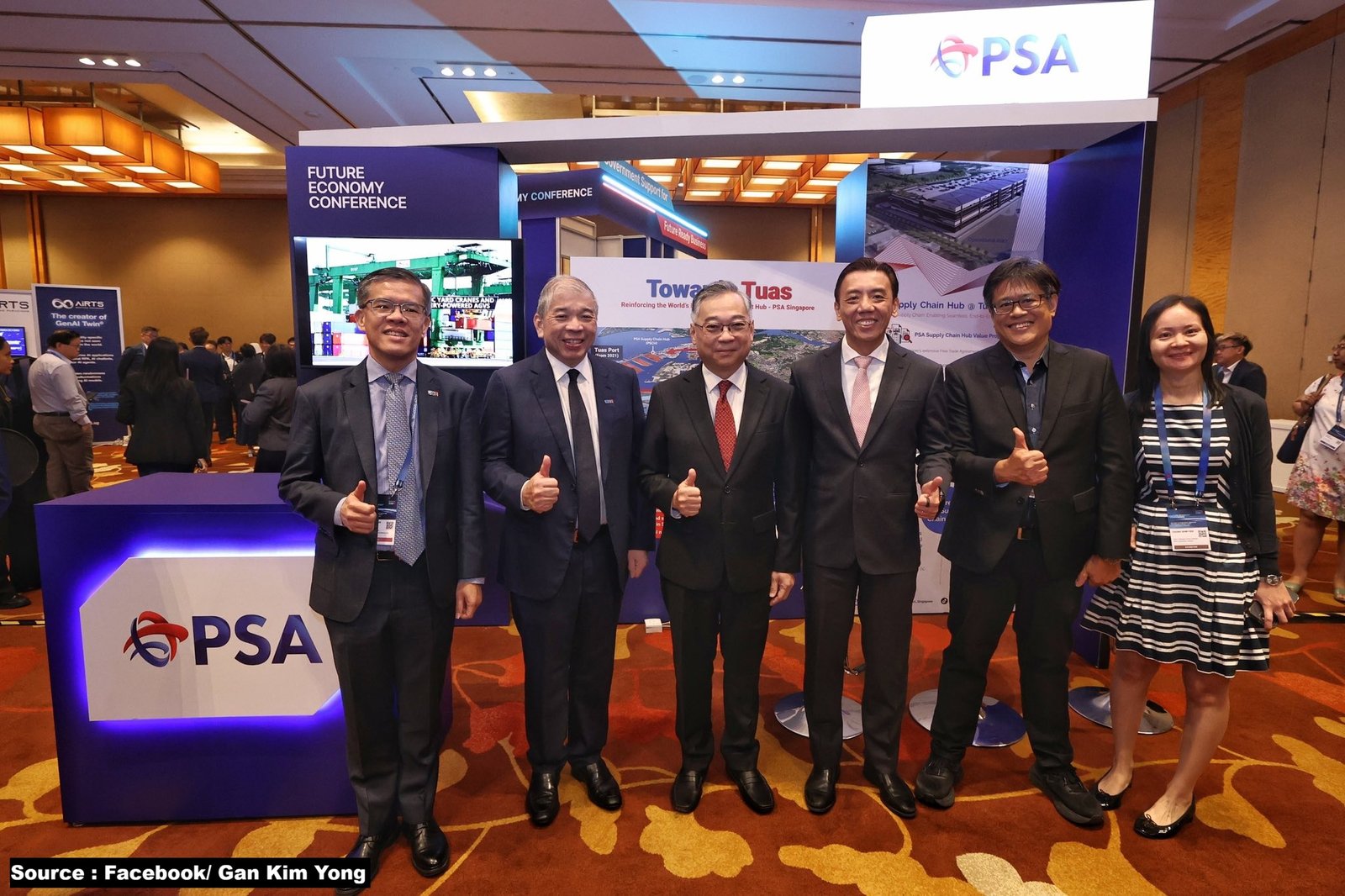
More than 7700 stakeholders hailing from trade unions, chambers and business associations engaged with the government to create these recommendations which were announced by deputy prime minister Gan Kim Yong during Singapore Business Federation’s Future Economy Conference. The committee first convened in August last year.
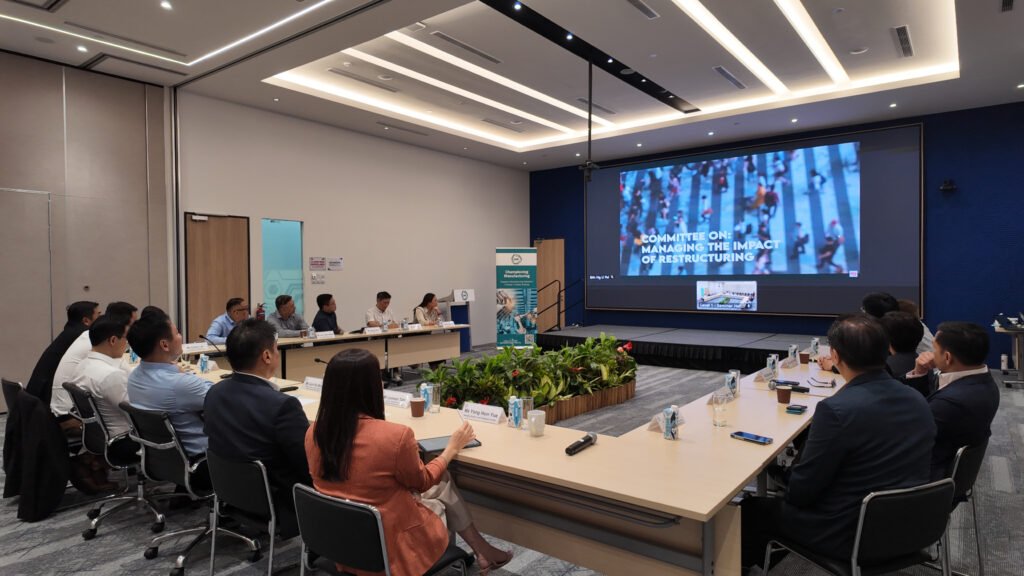
Industrialist, chambers and trade unions and government officials in a meeting. Source : f
The involvement from labor organizations marks a stark difference compared to its neighbors Indonesia and Malaysia where economic advisory councils usually only involve economists, high ranking officials and business representatives.
Gan, who is also the trade and industry minister admitted to the audience saying “We are deeply connected to the global economy. That connectivity gives us opportunities, but it also exposes us to volatility,” he said.
He added that Singapore does not have a large domestic market, abundant land and natural resources and thus “cannot try to do everything”
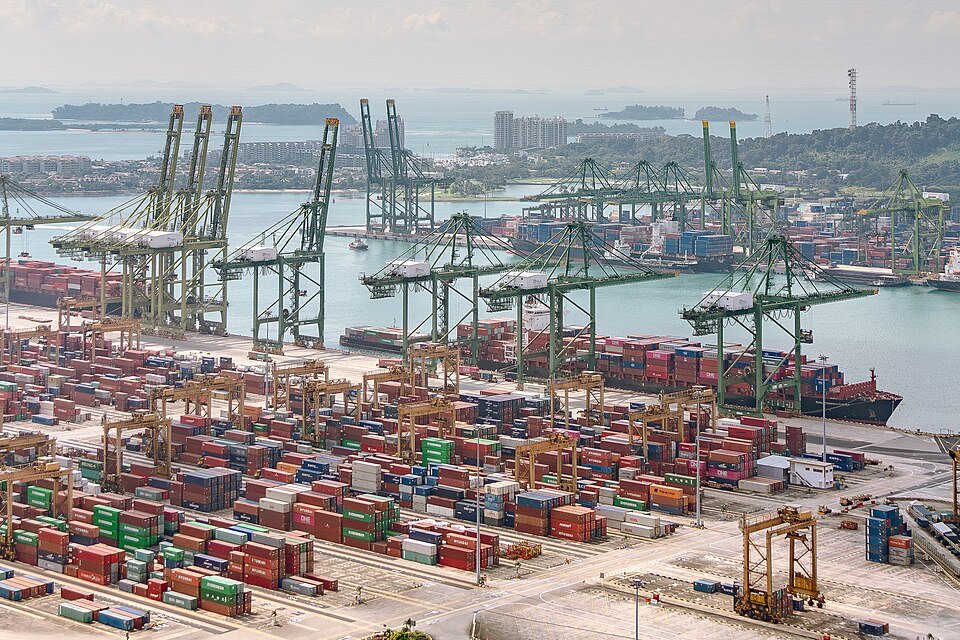
Port of Singapore. Source : Wikimedia Commons
The recommendations were delivered in 8 sections, 3 of which focused on empowering workers and creating “good jobs”, specifically in training, career transitions and advancing Artificial Intelligence (AI) strategy to complement workers as opposed to competition. The last aspect is aligned with prime minister Lawrence Wong’s vows to protect workers amid AI surge.
The other sections focused on the Singaporean economy’s competitiveness and resilience through incorporating AI, attracting investment, expanding trade networks, mitigating supply chain vulnerabilities and even building nuclear power as part of green energy transition. There were no mention of ASEAN or regional partnerships in recommendations.
The recommendations are relevant and timely given the concerns on the global job market that has been largely frozen with low hiring and firings. The Iran war that highlighted vulnerabilities in petrol supply chains in fuel and other commodities were acknowledged as well. With 95% of Singapore’s energy imports deriving from Indonesia and Malaysia, local energy sources are needed in the interest of stability.
The interest and anxiety around AI is not dismissed but seen as a supplementary tool that can be used in the workforce. With courses on AI being mandatory to primary school students and above, Singapore is positioning itself to be AI ready across a wide demographic.
In response to the report, Singaporeans online were largely fixated and critical of it. They questioned how exactly the government plan to create more jobs, other details surrounding the number of jobs and the deadline to reach said goal. Many questioned Transport Ministry Jeffery Siow’s involvement in presenting the report.
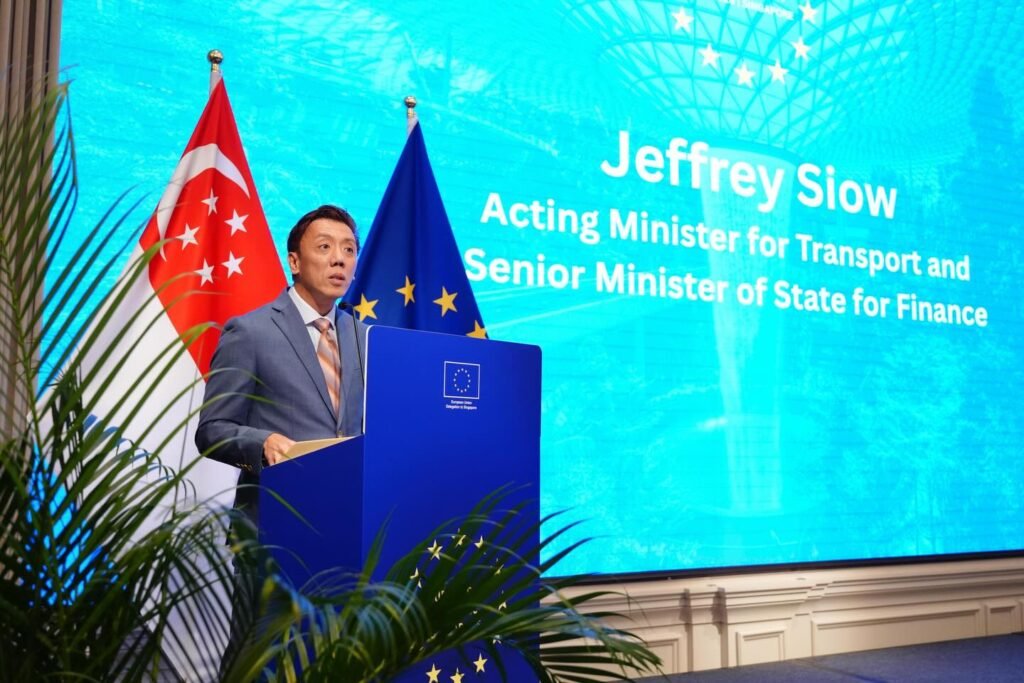
Transport Minister Jeffery Siow. Source : Facebook/ European Union in Singapore
Despite this, It can be expected for the government to follow through with this advice from review as it has a track record of doing so.
However other economic grievances from everyday Singaporeans such as the housing crisis and rising living cost are not addressed in the review. This is a part of a common pattern among central governments in Southeast Asia that frequently set targets to tackle macroeconomic problems but rarely tend to daily economic needs and issues as simple as affordability.
While Gross Domestic Product (GDP) is an important and fairly accurate economic development marker, it rarely reflects other aspects of standard of living or even happiness. With discussion on concepts such as post growth that shifts the measure for social and economic success from GDP to human well-being surfacing, Singapore has well over the capital, expertise and just the right geographic and population size to give it a try. A right step towards this will be to pivot to microeconomics.
Jasmine Pingol is a Archipelagic Southeast Asia columnist for Southeast Asia Analyst, based in Manila.