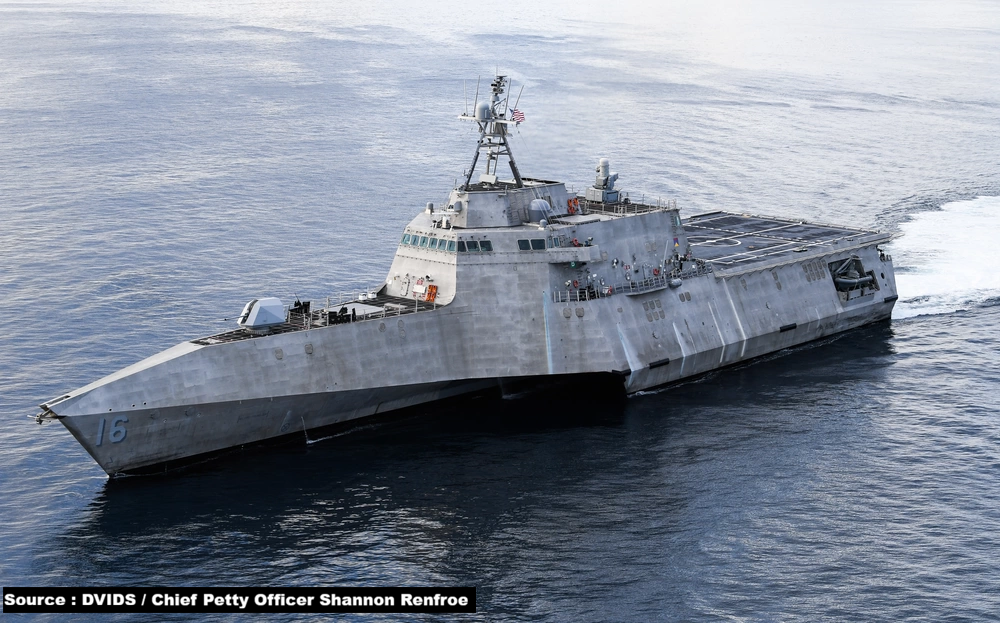
2 US minesweeping warships based in the Middle East were spotted docked in Penang port, Malaysia on Sunday, 15 March. The vessels named USS Tulsa and USS Santa Barbara were believed to be making a pitstop to restock on fuel, water and provisions before continuing their operations in the Middle East amid rising tensions in the Hormuz Strait that is laid with seamines according to latest reports.
Hosting these 2 vessels contrasts Prime Minister Anwar’s condemnation against US strikes on Iran and claims that Malaysia will play no part in the war in early March.
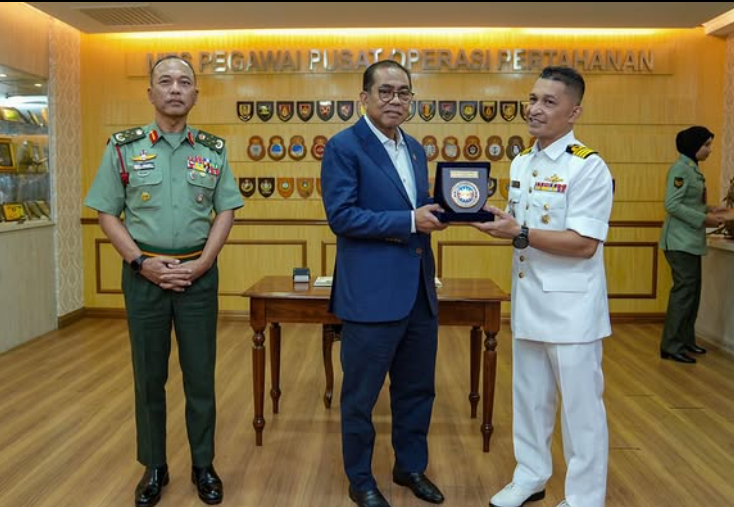
Malaysian Defense Minister Khaled Nordin offered clarification 2 days later on the 17th March that the docked ships followed Malaysian procedures. “These stops allow for logistical arrangements such as replenishments. Any foreign naval vessel must submit a request through its country to the Royal Malaysian Navy, which forwards it to the Foreign Ministry for approval,” Khaled told New Strait Times.
Malaysian Defense Minister Khaled Nordin. Source : Instragram/ @khalednordin
It is true that Malaysia ports hosted foreign warships from various countries including China, US and Russia. However this did not stop the opposition and public criticizing the situation. Perikatan Nasional (PN) Secretary General Takiyuddin Hassan voiced concerns that this action would contradict with Malaysia’s neutral stance on the Middle East and possibly “undermining public confidence and the country’s international image.”
The public extended their opinions on social media. Some brushed off the incident claiming that it was an indication that neutrality is working. While others highlighted the irony of the government criticizing the US’s action in the middle east while contributing to their efforts in it.
Many could argue that backing out of a claim and facing backlash because of it is the price the governments must pay for being pragmatic. In many ways, Malaysia as a Muslim majority country is expected to declare solidarity with Iran and it did exactly that. However, with its foreign policy deeply rooted in economics, it would also refuse to miss out on opportunities to profit off resupplying foreign vessels, including warships.
The risks of doing so however could be Malaysia seeming inconsistent with its claims and losing its credibility as a result. Which would be far more disadvantageous for it in the long run.
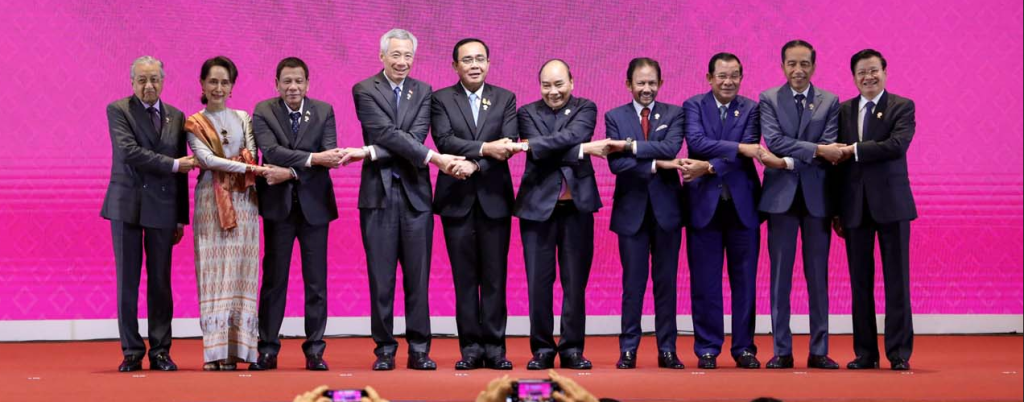
ASEAN member states’ national leaders in 2019. Source : asean.org
Southeast Asian states are very quick to claim neutrality during geopolitical crises and try to balance themselves between great power competitions. Despite this, due to their extended diplomatic networks and strategic positions, if they do not tread with caution, they will likely continue to be dragged into troubles as seen from Malaysia and Indonesia to a lesser extent as a member of the Board of Peace.







One thought on “Malaysia’s Neutrality Tested as US Warships Dock in Penang”
Comments are closed.