The 48th ASEAN summit that took place in the Philippines, Cebu city concluded on 8th May 2026. Aside from the usual commitment to peace and cooperation between the member states, there were a few new initiatives and declarations. Among these, the push to adopt the ASEAN leaders’ maritime declaration. Popular media from the Philippines covered this development, hailing it as a breakthrough. However the question on whether it will be truly implemented or remain on the back burner remains unanswered.
Foreign secretary Lazaro first mentioned this on 6th May during the ASEAN Political security summit during her address saying “the Philippines underscores the importance of the ASEAN Leaders’ Declaration on Maritime Cooperation, recognizing the multidimensional nature of maritime issues and underscoring the importance of enhancing coordination among [ASEAN member-states],”
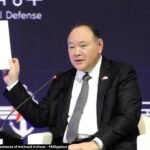
The Department of Foreign Affairs (DFA) Spokesperson, Xavier Imperial later explained “that the declaration will underscore the region’s commitment to advancing maritime cooperation through concrete initiatives such as the inclusion of the ASEAN Coast Guard Forum as an ASEAN sectoral body and the proposed establishment of the ASEAN Maritime Center in the Philippines.”
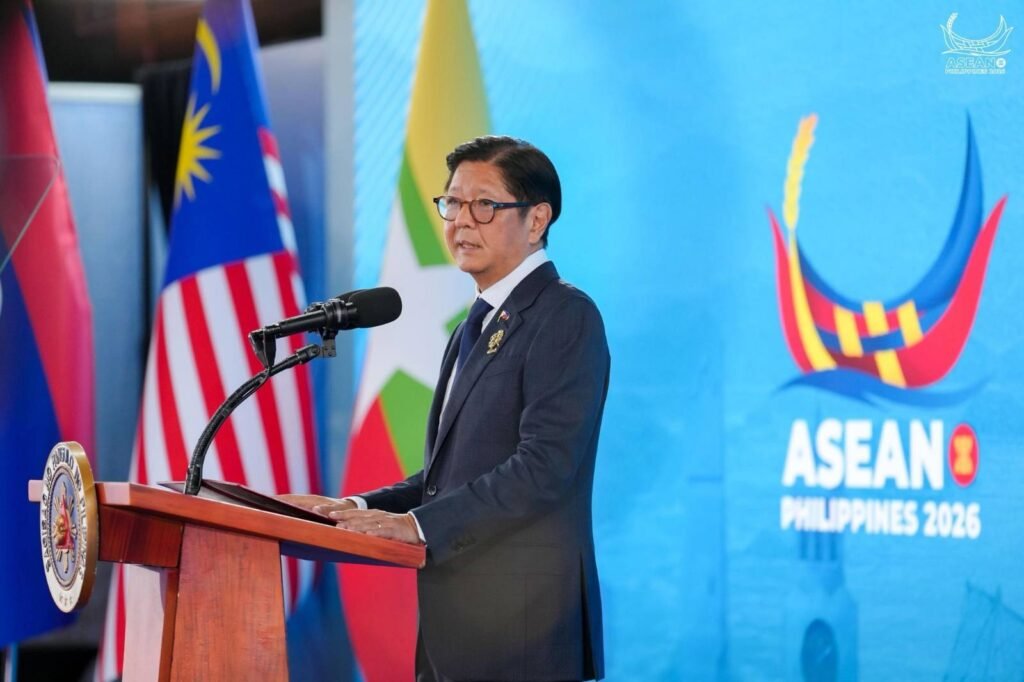
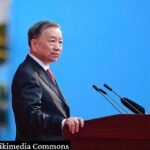
President Marcos Junior address audience during 48th ASEAN summit. Source : pco.gov.ph
Philippine President Marcos Jr. later elaborated and repeated this, on 8th May during the 48th ASEAN summit saying “proposal to establish an ASEAN Maritime Center, which will serve as an important platform for maritime cooperation in coordination with relevant ASEAN and ASEAN-led mechanisms.”
Other maritime related ASEAN initiatives such as ASEAN Single Shipping Market and ASEAN Leaders’ Declaration on Sustainable Blue Economy, were not explicitly mentioned by these officials nor in the latest draft of the declaration.
While the declaration itself mentions other maritime aspects such as fishing and shipping, it primarily highlights adherence to the United Nations Convention on Of the Sea (UNCLOS) and maritime security, referring back to ASEAN political security initiatives such as ASEAN Regional Forum and ASEAN Defense Minister Meeting. The ASEAN Maritime Center itself was not further elaborated beyond what the Philippine officials reiterated.
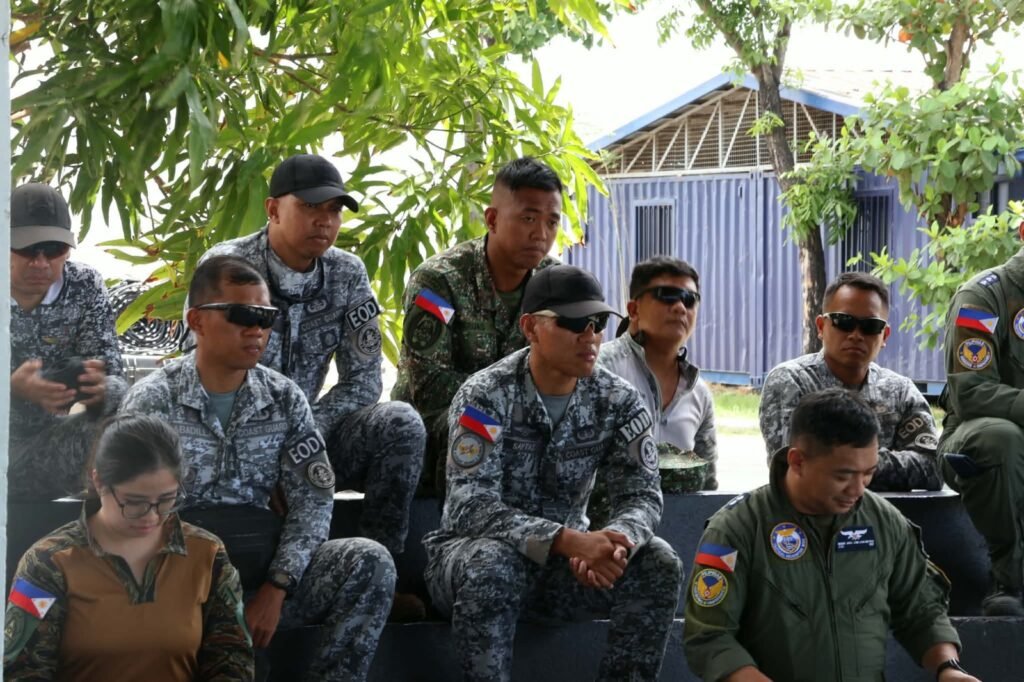
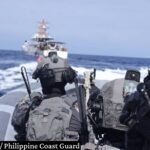
Philippine Coast Guard personnel in a discussion. Source : X.com/ @coastguardph
While the Philippines pledges cooperation on maritime affairs among Southeast Asians countries, its actions do not align with its words. The consistent push for this declaration was eventually adopted on 8th May 2026. This coincides with the Philippine hosted Balikatan joint amphibious military exercise which only included extra regional partners that lasted 3 weeks. In fact, it is a common pattern within its defense and foreign policy where it increases engagements with the US and its explicit allies while engagement with ASEAN member states remains rather unchanged.
Some criticized this pattern saying that it damages ASEAN centrality, however, others saw it as the Philippines losing hope in its ASEAN neighbors and resorting to last resorts to maintain its sovereignty in its west coast.
The Philippines is currently in the middle of a long term stand off against China where they accuse each other of violating international law and intruding into the other’s maritime territory. Although the Philippine’s stance against China swings based on administration, Under President Marcos Jr. the confrontation against China has been escalating.
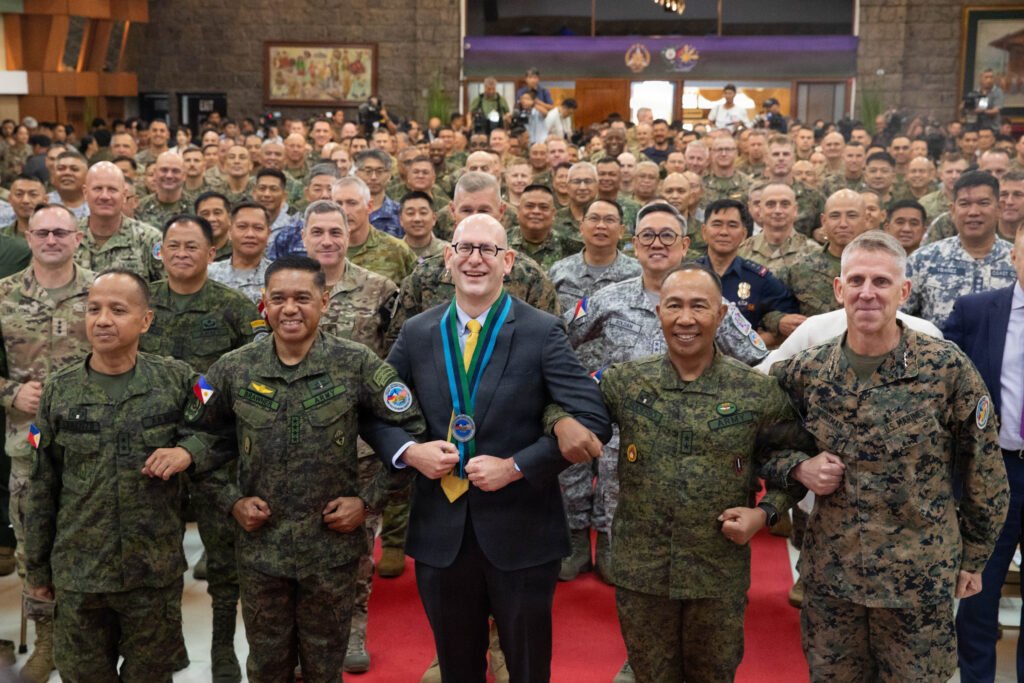
U.S. and Armed Forces of the Philippines service members alongside counterparts from Balikatan exercise participants. Source : US Indo Pacific Command
Amidst this, the Philippine push for a Maritime declaration which will eventually create the ASEAN Maritime Center is a performative act to reassure its neighbors that it is still willing to work with them.
Besides that, it is also seen as the Philippine’s last ditch attempt to save face given the likelihood that ASEAN under its chairmanship will fail to finalize the Code of Conduct (CoC) of the South China Sea that is due this year. When asked about the CoC, DFA spokesperson Imperial did not clarify beyond that ASEAN members are encouraged by the progress.
The ASEAN Maritime Center being created out of the ASEAN Maritime Declaration will not be the first of its kind. The ASEAN Humanitarian Assistant Center (AHA Center) was created out of similar circumstances. Unfortunately for the ASEAN Maritime Center, when or if its established, its purpose in coordinating maritime cooperation will be impeded by ASEAN’s nature in prioritizing sovereignty above all else and its member states lack in political will.
Recognizing such possibilities, the Philippines must figure out mechanisms or legal basis that can work around the aforementioned obstacles, if the purpose in pushing the maritime declaration are truly for what it claims for as opposed to being simply for just for show.
Han Kyeol Kim is an Editor in Southeast Asia Analyst