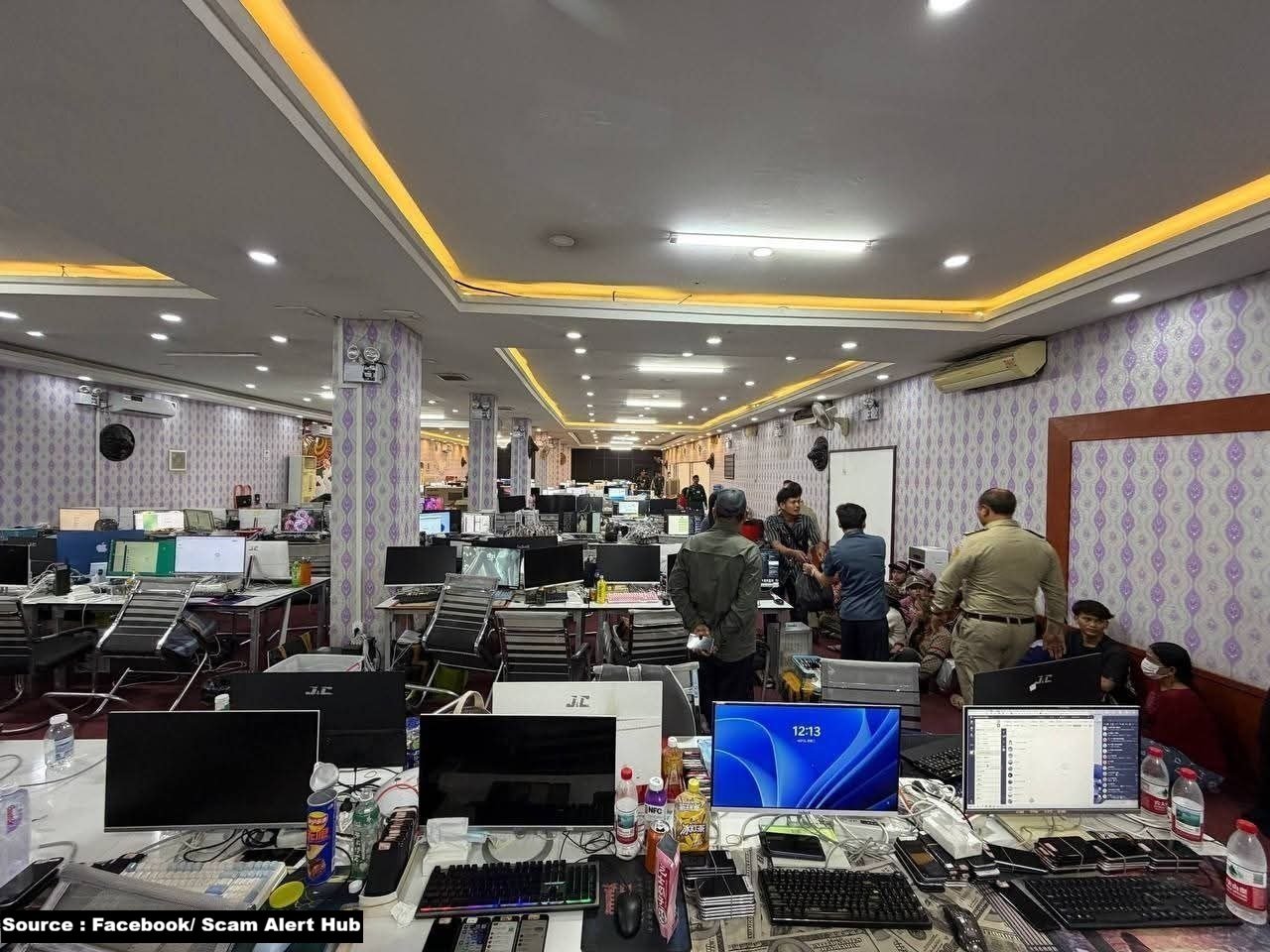
From early 2026, Cambodia’s anti scam center campaigns captured international headlines. Authorities conducted raids on tortured and kidnapped workers operated offices. Thousands of them were repatriated back to their countries while complacent collaborators were extradited. Most dramatic yet, in January and April 2026 respectively, Chen Zhi and Li Xiong, high profile scam ringmasters who had strong connections to the Cambodian government were arrested and flown back to China where they still await trial.
Despite the seeming progress, suspicion and uncertainty amongst activists and academics still lingers. Amnesty International’s Montse Ferrer said that the regime is “not being transparent” on the progress in dismantling the scam compounds. Additionally, Harvard University’s Jacob Sims questioned the government’s inclination, claiming “To sustainably dismantle the scam industry, Cambodia will require, first and foremost, a willingness to hold elite perpetrators to account.” The suspicions bear considerable weight to them, and for good reason.
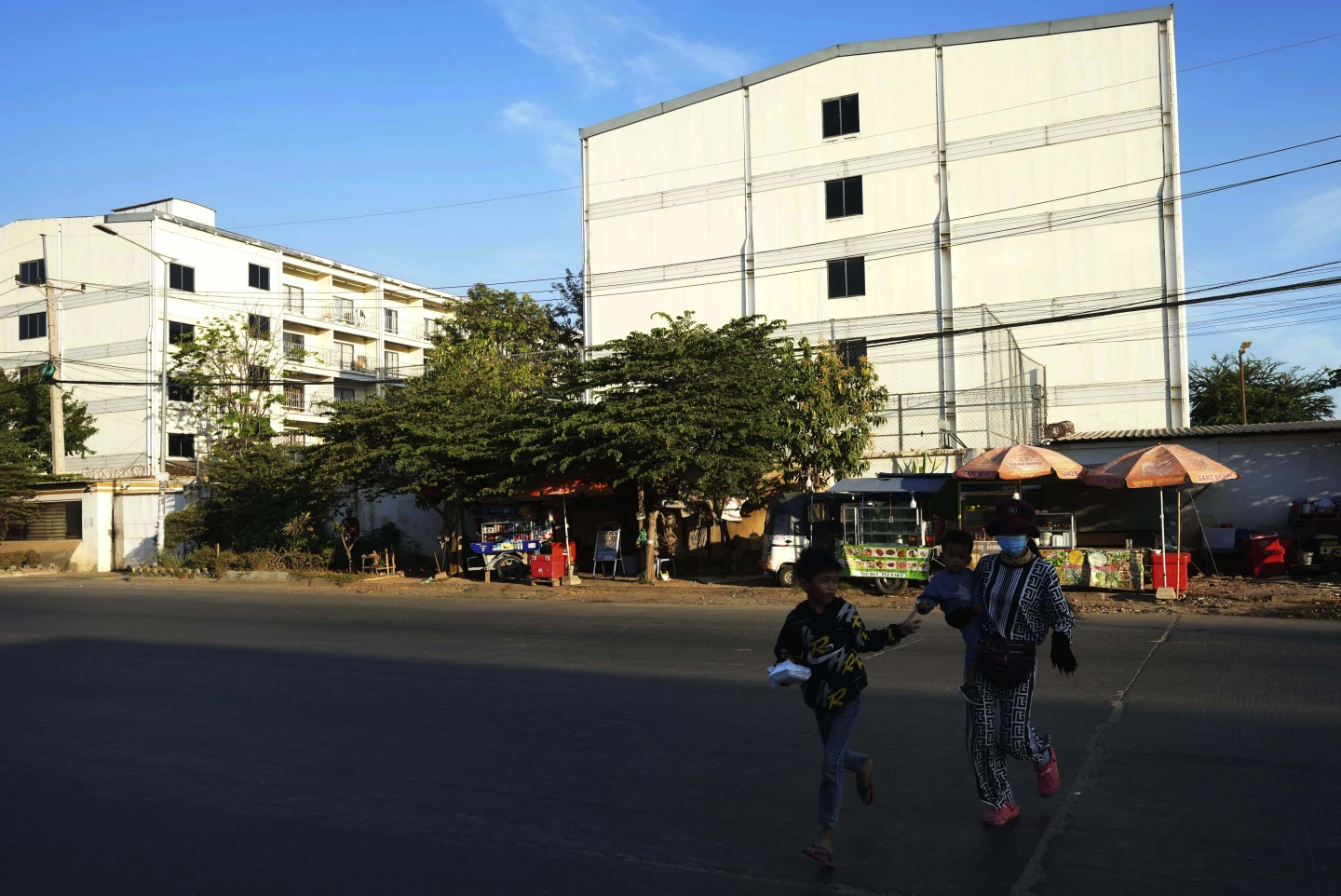
Aerial image of a scam center in Cambodia. Source : X/ @brycea
Laws and promises aimed to curb scam centers were passed and made in March and April 2026. Some were as radical as to claim that remaining scam centers will be cleared by the end of April, to which critics quipped that the claim indicates that the government does not comprehend the problem’s seriousness. However this is not the first time the government made such gestures. The first wave of anti scam center rhetoric and operations from the government were launched in 2022 and every year after that, growing increasingly complex yet it made little progress.
Raided scam center in Cambodia. Source : Facebook/ FBI-Baltimore
The motivation behind these campaigns is another red flag. The primary reason behind the move is not to have stronger rule of law or to shift to a more sustainable industry but instead to avoid scrutiny from the international community. The Cambodian government mentioned it themselves. Additionally the raids on scam centers only ramped up when pressure from China started to mount. In other words, scam centers could proliferate again if the attention moves away from Cambodia’s illicit activities.
Even if the government truly has willingness to move away from the scam industry, the facts and figures of the country are stacked against it. The industry is worth nearly half of Cambodia’s GDP. Agriculture and textile industries are its next best substitutes but together they only contribute to less than 40% of the GDP. A forced transition would bring the economy to a screeching halt. Many from the ruling class involved in the scam industry have strong ties to the government including Hun To, Prime Minister Manet’s cousin, this makes the transition unlikely.
Whatever the motivation behind these campaigns could be, the scam centers will never stop proliferating unless the root causes that sustain them are addressed. The centers are run by scam victims themselves who come to Cambodia under the promise of finding better job opportunities. Stricter procedures in entry points such harbors and airports will reduce visitors turning into kidnapping victims that unwillingly contribute to the scam industry.
Cooperation from the worker’s home country is necessary as well. Cambodia’s ASEAN neighbors were quick to issue warnings to its citizens from traveling to Cambodia but largely failed to provide decent job opportunities to its own citizens, making them vulnerable to job scams from Cambodia in the first place.
Manh Chien Nguyen is a Mainland Southeast Asia columnist for Southeast Asia Analyst, based in Hanoi.