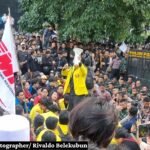
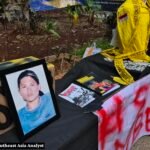
In November 2025, Thai authorities handed Y Quynh Bdap back to the Vietnamese government. Y Quynh is a Montagnard human rights activist and recognized by UNHCR as a political refugee. In 2024, the Vietnamese government convicted him in-absentia on terrorism charges in relation to the 2023 Đắk Lắk attacks. He had no say in his extradition, in Vietnam he had no platform that is recognized as legitimate.
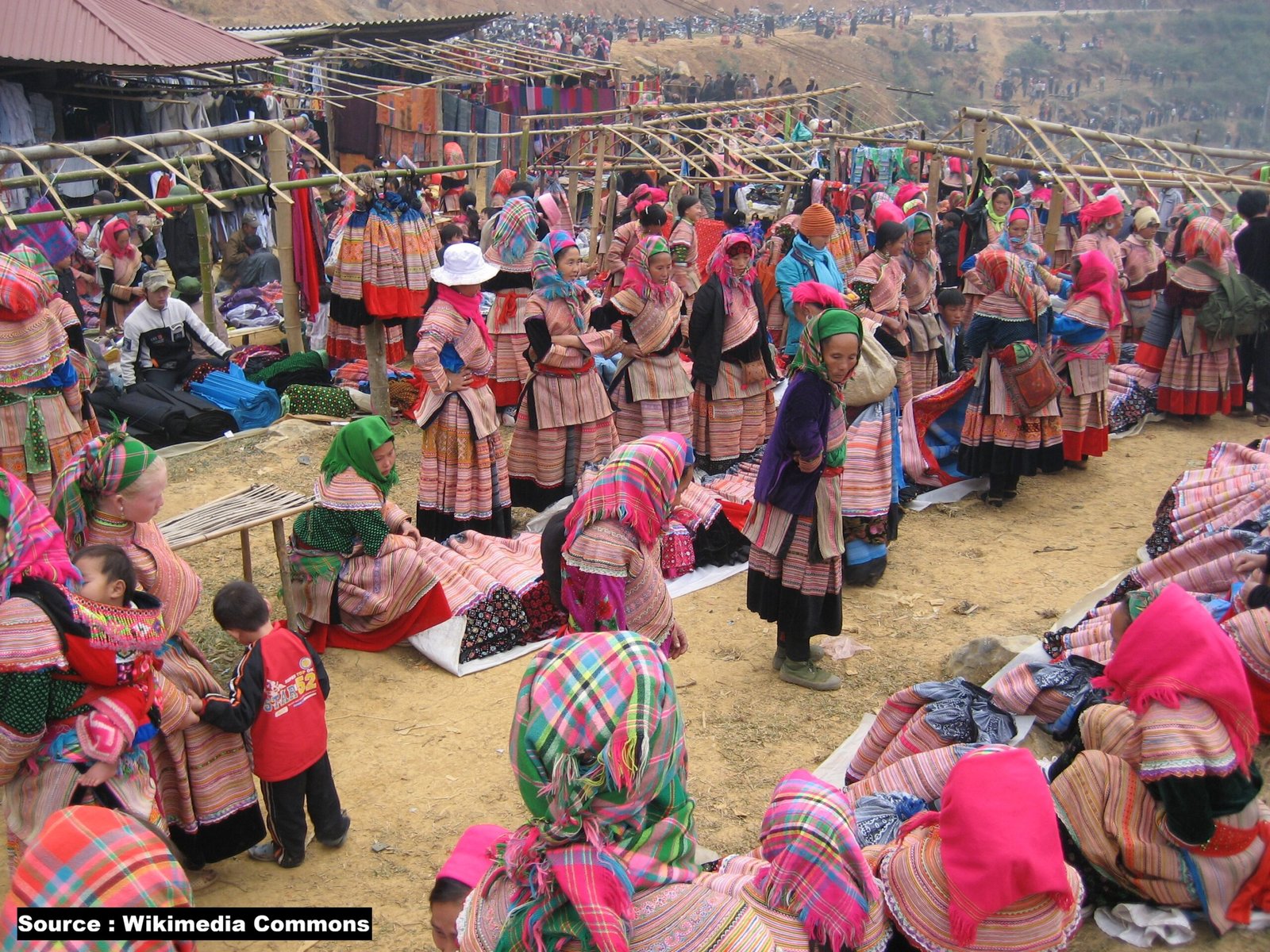
Indochina has a complicated history regarding relationships between the marginalized ethnic groups and those in power. Laos enacts systematic discrimination, forced discrimination, and state-sponsored violence towards minority groups such as Hmong, Khmu, and indigenous hill tribes. The Hmong face discrimination for their alliance with the U.S. during the Vietnam War. In Vietnam, Montagnards and Hmong Christians face land confiscations, targeted killings, cultural assimilation and suppression, and persecution. Like the Hmong in Laos, the Montagnards in Vietnam were allied with the U.S. during the Vietnam War. In Cambodia ethnic minorities, especially the Viets, face discrimination, restricting access to health services, education, and land rights. Forced eviction and relocation are also common.
Floating elementary school in an ethnic Viet community in Cambodia. Source : Wikimedia Commons
Across Laos, Vietnam, and Cambodia, ethnic minorities share the same situation: they exist within countries that treat their existence as a problem to be managed, suppressed, and assimilated. Antonio Gramsci had a term for this condition: subaltern, when marginalized groups are isolated from a society’s power structures. These groups, known as the “subaltern classes,” primarily consist of peasants, laborers, and minority groupings. The historical narratives of the subaltern classes are usually fragmented and episodic due to the pressure of dominant groups. Only through consolidation within these groups could they develop an awareness of their power and defend against external threats.
Postcolonialist intellectual Gayatri Spivak stated that “the subaltern has no history and cannot speak.” Any attempts at advocating for their own rights are framed as harmful or co-opted for colonial and/or nationalist projects.
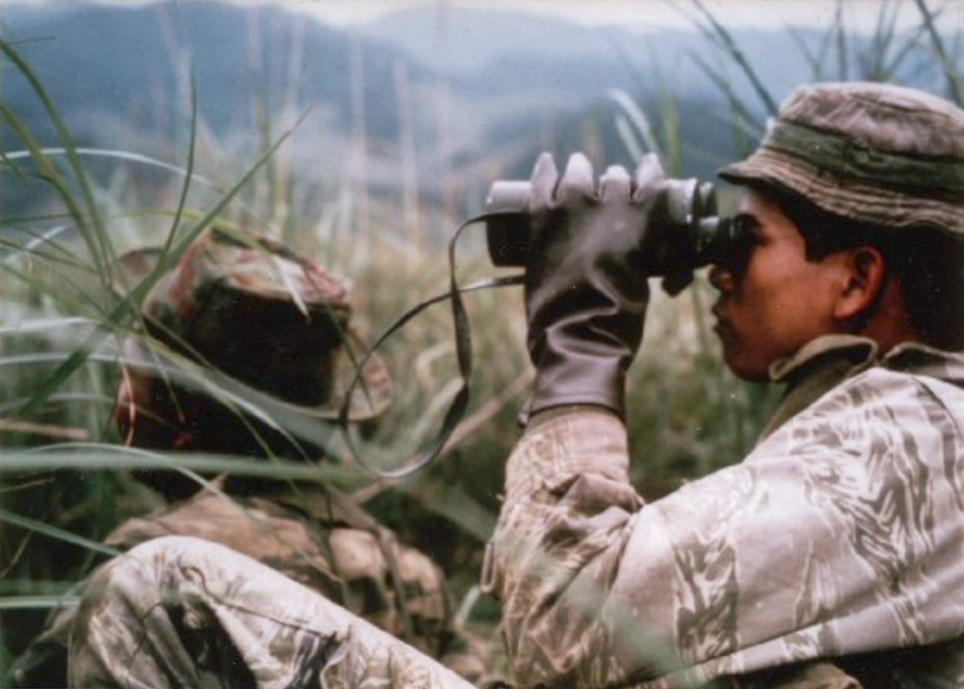
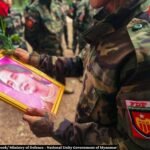
Drawing parallels with Spivak’s analysis, minority rights in Indochina becomes the ground over which anti-communist and government narratives clash, without the minorities’ own voices being heard. Modern-day perception towards some of these minorities are largely constructed based on their participation in the Vietnam War. Tens of thousands of Hmong men joined the CIA-backed “Secret Army,” fighting against North Vietnam and the Pathet Lao. Similarly, over 60,000 Montagnards helped the U.S. fight against the Northern Vietnamese in the Central Highlands. When the war ended in 1975, both groups were abandoned by the U.S. and were left to face the consequences of their actions alone.
Two Montagnard soldiers in the 1st Cavalry Division (U.S. Army) carrying out reconnaissance patrol. Source : Wikimedia Commons
This framing of minorities is a form of “epistemic violence.” According to Spivak, epistemic violence occurs when dominant ways of understanding systematically erase the marginalized subjects’ perspectives. This is apparent on both sides of the argument regarding minority groups that participated in the Vietnam War. When Montagnards staged mass protests in 2001, demanding land restitution and religious freedom, the Vietnamese government responded with harsh crackdowns. The CPV launched a propaganda campaign against Dega (highlander) Protestantism, branding it as an “evil way” and a cover for the resurgence of FULRO, an armed alliance of minority groups that fought against both Vietnamese governments during the war. The Vietnamese government has continued to use this association to restrict independent worship decades after armed resistance ended.
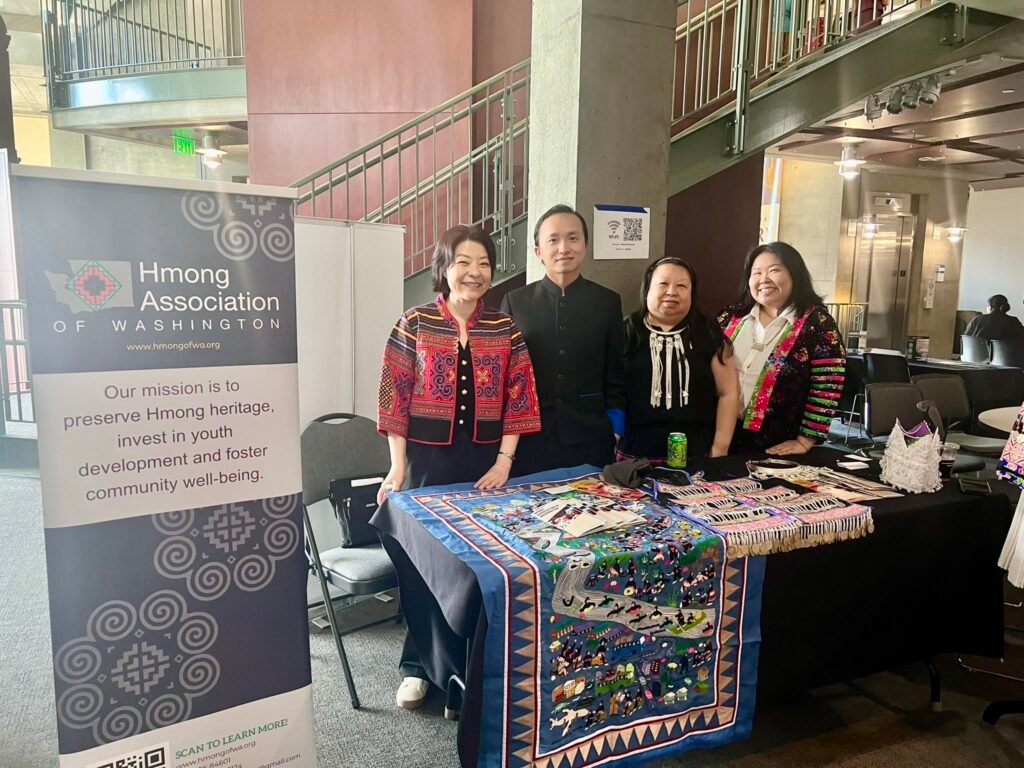
Abroad as well, these minorities remain victims to epistemic violence, sometimes unwittingly by their own doing. For the Hmong diaspora living in the U.S., anti-communism has become a defining ethnic identity. The consequence of this is a community whose voice in the West is still articulated within a Cold War perspective that serves American conservative interests more than their own. However due to political considerations, Montagnards and Hmong persecutions do not receive as much attention as China’s Uyghurs. The U.S. sanctioned China for its persecution against Uyghurs but maintained good relations with Vietnam and Laos to counteract Chinese influence, revealing that they were never concerned about these minorities.
Members of Hmong Association of Washington. Source : Facebook/ Hmong Association of Washington
This is what Spivak meant by epistemic violence. Any attempts by the minorities at speech in their homelands are treated as sedition by their governments. The Western conservative witness sees their suffering, but translates it into anti-communism. In neither case do they speak as indigenous peoples entitled to their rights. They are not necessarily silenced, but their words are mistranslated to another’s interest.
Half a century passed since U.S. forces left the Indochinese Peninsula. The Cold War that shaped those alliances is over. Yet the Hmong of Laos and the Montagnards of Vietnam’s Central Highlands are still punished for a war they did not start and alliances that were made largely for others’ benefit. A person’s ethnicity and faith should not be subject to the political choices of a previous generation. The subalterns of Indochina do not need to earn their rights by reliving the war. They need states willing to hear what they are actually saying.
Rafael Adrian is a recent International Relations graduate based in Jakarta.