In anticipation of a possible energy crisis due to the Iran war, the Indonesian central government implemented a nationwide once a week work from home (WFH) policy for civil servants beginning on 1st April. Although the private sectors were encouraged to follow the same policy, it was not mandated to them.
At first glance, this policy could seem like a reasonable approach to conserve energy. However, upon a closer look, productivity and accountability could be in question. WFH policy is not new to Indonesia. It was previously implemented during the COVID19 pandemic and it bore several challenges that hindered productivity such as; problems with unstable internet connection, coordination and monitoring. These obstacles would reappear in light of the WFH policy. Although the government has a civil servant information management system called SIMPEG as a monitoring system in place, its effectiveness is questionable. This coupled with a lack of incentive for civil servants to perform unlike in the private sector, productivity is likely to decline.
The doubt carries rational weight as well. During the COVID 19 pandemic, civil servants working from home would repeatedly leave their residence after turning off their GPS monitored gadgets or simply leaving them at home. But now without the fear of catching the virus, the likelihood of this happening could increase.
An element that needs to be considered are gender expectations for female civil servants working from home. With women bearing domestic responsibility in Indonesia, female civil servants working from home could be expected to handle household chores while working from home. Additionally, access to electronic gadgets as well need to be considered as not every civil servant could have their own computers and government offices provide laptops based on the available budget.
With civil servants living off taxpayer money and the possible decline in productivity would result in lack of accountability to the Indonesian citizen. Damaging such an important factor in a democratic government would raise a lot of eyebrows.
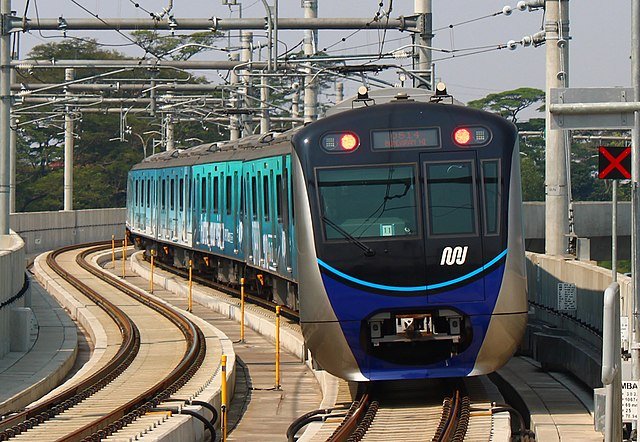
Jakarta MRT train leaving Haji Nawi station. Source : Wikimedia Commons
There are better methods, the government can implement WFH policies for civil servants in a way that it does not trample on productivity and accountability. Locations of civil servants can be made publicly available for transparency. If there are consistent difficulties with WFH, a 4 day working week should be implemented and the civil servants should be paid accordingly. Finally, if the WFH are simply ineffective, the strict policy that ensures that they take public transportation to conserve fuel can be articulated.
Nisa Anisa is a freelancer and an activist with focus on women and environmental issues.