Brunei is among the wealthiest country in the world and the second richest in ASEAN after Singapore. Its economy is sustained by hydrocarbon resources, and this translated into high living standards and strong human development indicators. From the outside, it is easy to assume that this level of wealth would support progress in education, including emerging fields such as neuroscience, more commonly known as brain science. Brain science complicates that assumption. In many parts of the world, insights from neuroscience are beginning to influence how education is understood. Questions on how students learn, how memory works, and how cognitive load unfolds are no longer confined to laboratories.
The insights have gradually entered classrooms, teachers’ education programmes, and curriculum discussions. Academics in Brunei’s leading national universities speak about efforts to reformulate the national curriculum. This opens space to consider how neuroscience might inform that process.
In this sense, brain science shapes how education systems think about learning. However, in Brunei, this conversation remains relatively quiet. Education reforms tend to focus on structure, access, and performance, but the connection between how the brain learns and how students are taught are not yet featured prominently. The absence is subtle, but it matters. Without attention to how learning actually happens, improvements in education risk stagnation.
Student performance offers one indication of this gap. Brunei’s performance in the 2018 Programme for International Student Assessment (PISA) was characterised as underwhelming compared to high-income countries in East Asia and OECD contexts, despite its relatively high income level. This does not suggest a lack of effort or investment. Instead it points to a misalignment between resources and outcomes, and a need for a different way of thinking on learning and skills development.
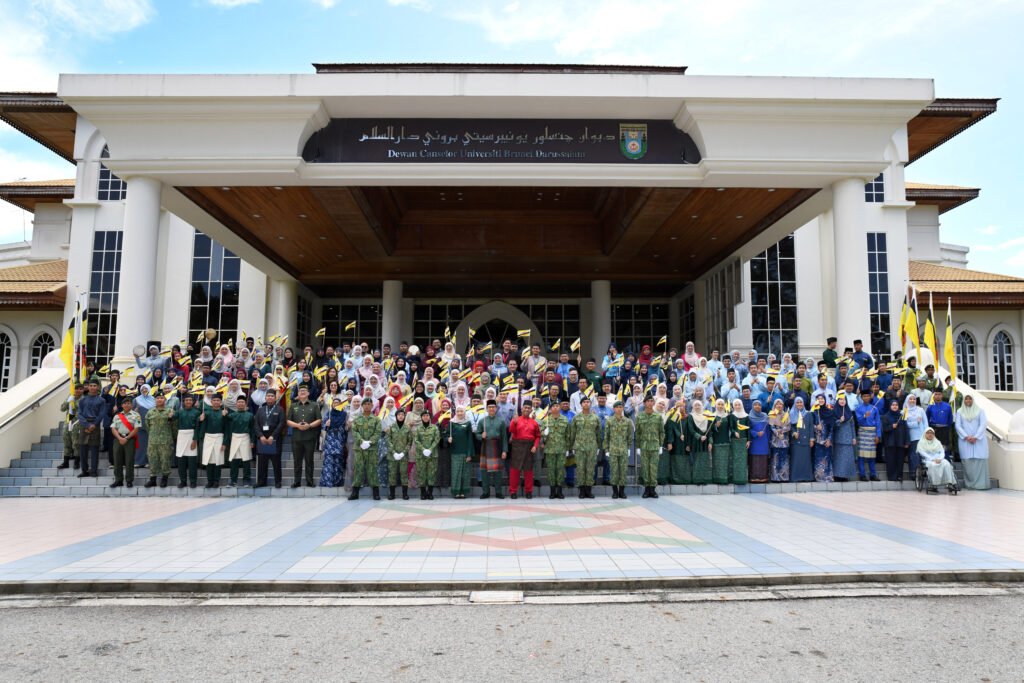
Faculty members during a ceremony in Universiti Brunei Darussalam. Source : ubd.edu.bn
Pioneer researchers that intersect neuroscience and education in Brunei faced obstacles besides funding and infrastructure. It is also about where knowledge comes from and which forms of knowledge are given space within the system. Much of the current structure still follows clear disciplinary lines. Fields that sit in between, such as brain science and education, do not easily find a stable place. However, there are small but important signs of movement. At university levels, several researchers started to explore links between brain science and learning. This work is still limited in scale and often depends on individual initiative. It has not yet visibly shaped policy, but it shows that interest is beginning to grow. Another layer comes from the broader cultural context.
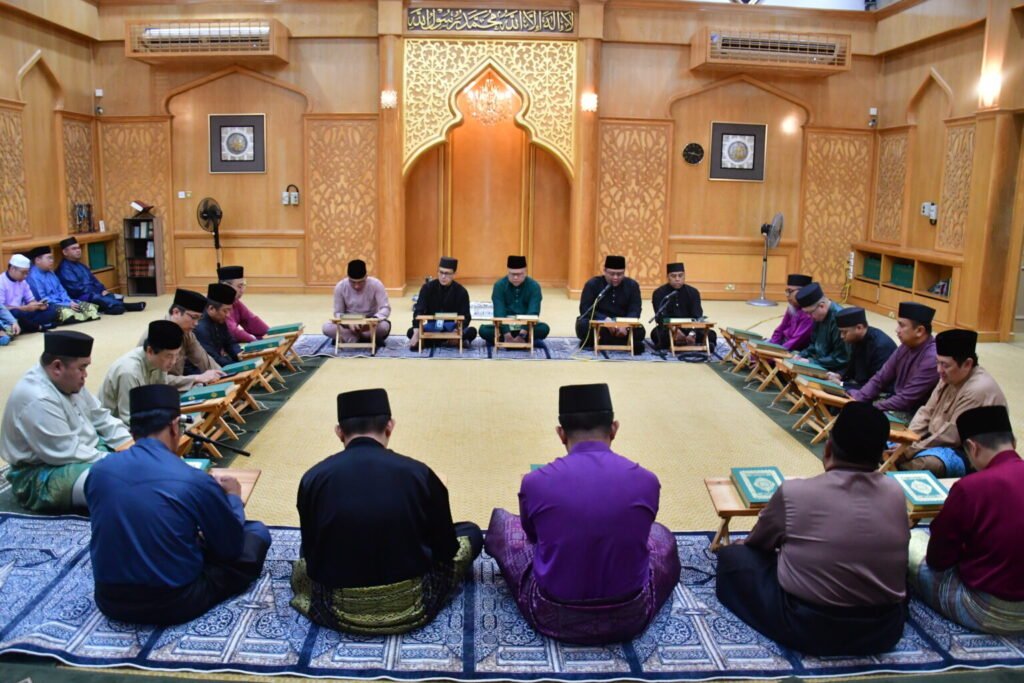
Students in an Islamic Study group in Brunei. Source : Brunei Ministry of Health
Education in Brunei is closely connected to religious and moral values. This connection shapes how learning is understood and has a strong emphasis on character and spiritual development. Brain science enters from a different direction, shaped by insights from real-life contexts as well as laboratory experimentation. Bringing these perspectives requires careful negotiation and also the ability to engage with new forms of contemporary knowledge. This includes scientific literacy, interdisciplinary thinking, and openness to approaches that challenge established ways of teaching and learning. The question, then, is not whether Brunei has the means. The question is how far the system is prepared to rethink education in light of what brain science is beginning to show. For now, that process is still at an early stage.
Rahmat Ryadhush Shalihin is a certified neuroscience coach and a foreign expert in the National Institute for Child and Family Development, Mahidol University, Thailand.