Car brands cannot be expected to compete globally simply based on marketing, preferential trade deals and affordability, primarily focus must lie on technology.
Editor – Southeast Asia Analyst.
Developing a national car brand is a time tested method for maintaining self reliance in employment, heavy industries and profiting from high margin exports. Developed economies such as Germany, Japan and South Korea benefited from this playbook through the likes of BMW, Toyota and Hyundai with the first 2 dominating the industry and market around the world.
Although Southeast Asia is not famous for its car brand or even its heavy industries, Malaysia’s Proton deserves closer inspection. While its regional market share is only at 5%, Proton commands a fifth of domestic market share and its exports reach as far as the Caribbean. Its assembly lines are also fairly established in its own right, located as far as Egypt and the Caribbean, safe to say, Proton’s footprint is well beyond established and is actively seeking new frontiers.
With Vietnam’s Vinfast stuck in a pickle and Indonesia’s perpetual quest for a national car brand, it could be worth taking notes from Proton’s journey, success but also its mistakes.
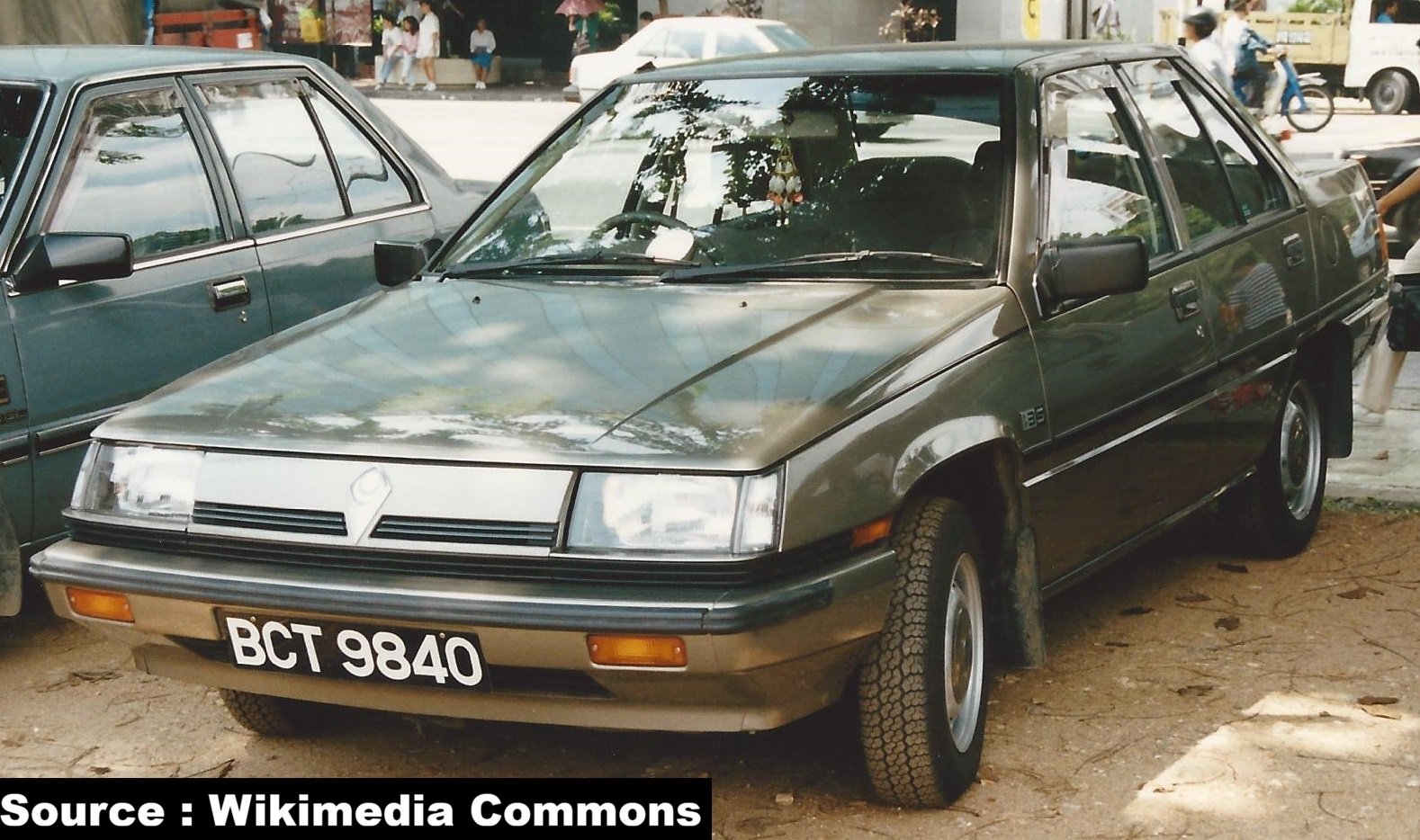
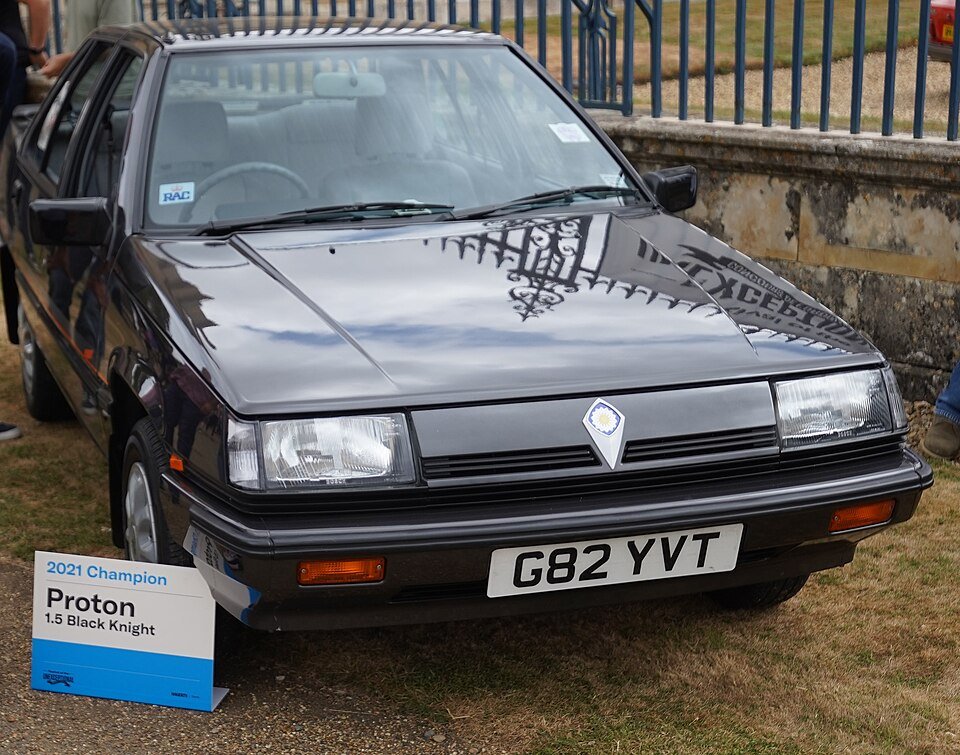
Proton stood on the shoulders of giants from the get go. Combining funding from Malaysia’s sovereign wealth fund, Khazanah Nasional and mechanical and design technology from Japan’s Mitsubishi, in 1985 it produced the first generation Proton Saga, rebranded version of Mitsubishi Lancer Fiore.
Proton 1.5 Black Knight, a rare find in UK roads. Source : Wikimedia Commons
The publicity campaign was a major operation in its own right. The Proton Saga was sold to Malaysians as a cost efficient vehicle and an icon of national dignity meant to drive Malaysia’s industrialization which will catch up to Taiwan and South Korea’s levels. Abroad as well, Proton UK rolled out 1 Million pounds to market the brand. This involved slogans such as “Japanese Technology, Malaysian Style” and a feature in a popular British sitcom “Mr Bean.” The effort and capital paid off as it became a popular among budget friendly buyers and even took the spot as the fastest-growing new car franchise by 1992.
With a solid product under its belt, the Malaysian government continued laying out a cakewalk path for Proton to secure the domestic car market. Foreign completely built cars faced well over 200% in import duties depending on the engine size, effectively making the Proton saga the most affordable car on the road. Civil servants and university fresh graduates were offered soft grant programs to specifically buy proton cars as well. Additionally industrial policies ensured that car parts ranging from brake pads to electric cables were to be sourced from local vendors. In doing so the policies not only ensured cheaper and reliable components but allowed for a wider supporting eco system to be built around the brand.
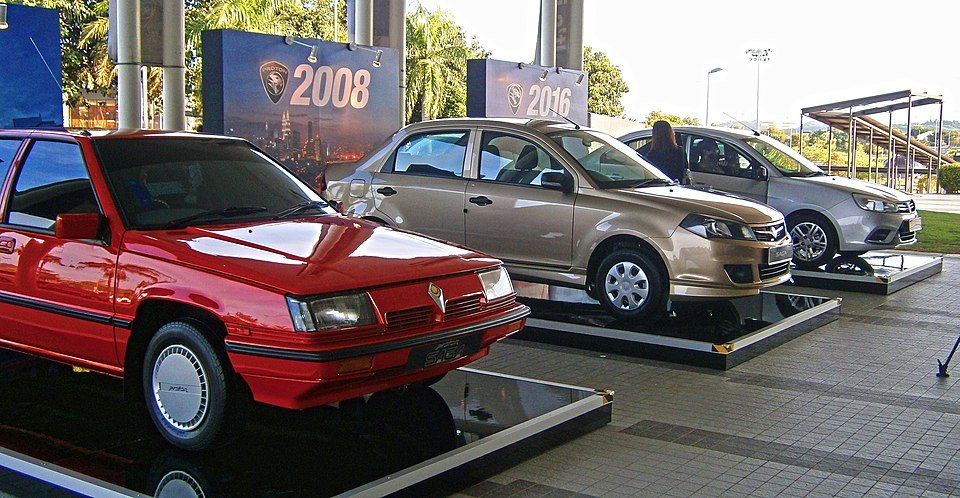
Proton Cars across generations. Source : Wikimedia Commons
It was these guardrails from the Malaysian government and the reliance on foreign technology that also led to its downfall. Proton especially suffered heavy blows during the 1998. The weakened exchange rate burdened royalty payments to Mitsubishi as its Proton cars were still fitted with their engines. Major purchases from the buyers were delayed as well with financing being more difficult to obtain.
Competition from foreign cars is another factor as well. Once the tariffs from foreign cars fell to a mere 30%, Proton’s market shares plummeted as well. The surge in foreign cars also made Proton vulnerable to comparison. Perceptions that Protons were subpar when set against Japanese and European brands were now fixed into Malaysian consumers’ minds.
Although the blow was heavy and Proton never reached its former glory, the well grounded establishment of the car brand allowed it to survive through the financial crisis and claw its way back on an uphill path. This time it no longer depended on state funding as majority of the stocks was sold to DRB-Hicom, a private Malaysian conglomerate.
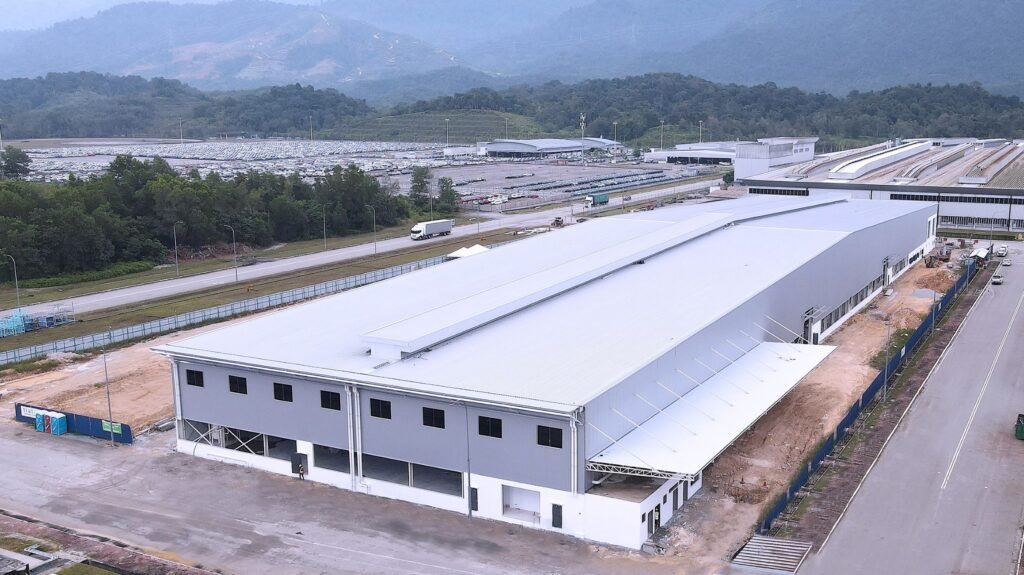
Proton assembly plant in Tanjong Malim. Source : Proton.com
Proton’s revamp began nearly 2 decades after suffering initial heavy losses. In an attempt to upgrade its production capacity, it teamed up with Chinese car manufacturer Geely in 2017 to adopt its production and quality-control systems and established a much larger, automated hub at Tanjong Malim inside the Automotive High-Tech Valley project. The facility includes stamping, body assembly, paint, engine assembly, research and development, and final assembly in one integrated site which even took a crack at producing Proton’s first line of electric vehicle cars.
Aided by nearly doubling the number of showrooms nationwide and exports of Completely Knocked Down kits to the African markets. The sales started improving both domestically and internationally.
Whether or not Proton can keep this growth is still unsure, presence in Malaysia is well over established but is yet to be considered thriving. In foreign markets it’s still budding and only appeals to niche buyers. Despite this, Proton’s story offers valuable lessons.
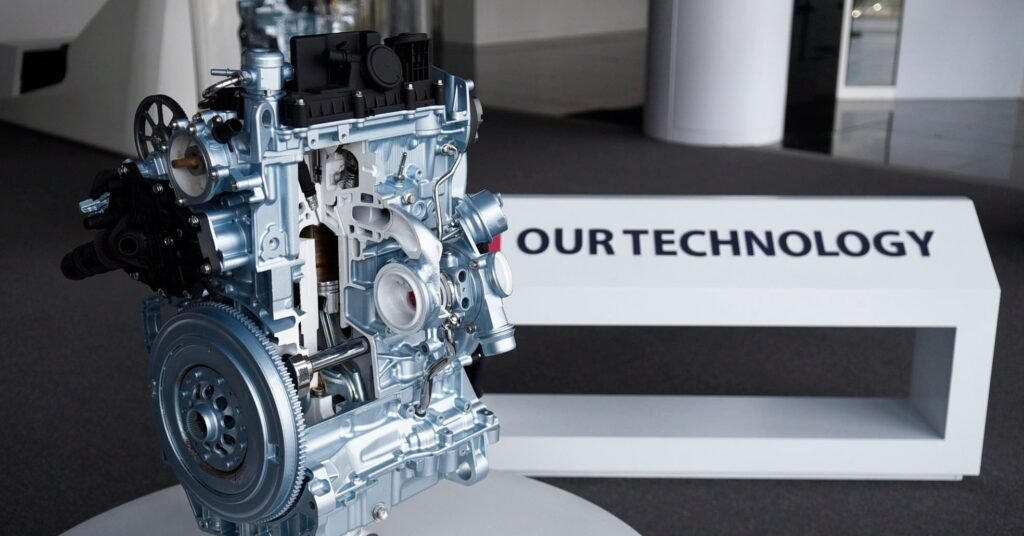
Proton car engine. Source : Facebook/ Proton Car
State funding coupled with borrowing foreign technology can be a good starting point for a car brand. Guardrails through protectionist tendencies can be helpful as well in maintaining rapid growth over a short period of time. However guardrails will never be permanent and unless technology is fully acquired, the car brand will remain vulnerable to global economic pressures such as open markets and currency exchange rates. Car brands cannot be expected to compete globally simply based on marketing, preferential trade deals and affordability, primarily focus must lie on technology.