Bangkok is trying to change the makeup of the tourist from sheer numbers to increasing tourists who are willing to spend for premium experiences in Thailand and “High quality tourist”
Editor – Southeast Asia Analyst.
Thailand takes the cake for the economy that is most dependent on tourism in Southeast Asia with the industry contributing up to 20% of its GDP. Like most Southeast Asian countries, Thailand bears a complicated relationship with tourism, the income they bring into both high end hotels and small to medium businesses cannot be understated. The industry however suffered heavy blows during the covid pandemic with cross border travel being heavily restricted. In 2024, the Kingdom enacted the 60 day visa free policy to revive the industry.
This proved effective, however with tourists came new problems. Thailand started to experience over-tourism. There was a steady climb of misbehaving tourists causing social disorder and petty crimes, collateral damage. Reports from law enforcement even alleged that some exploited the 60 day visa free travel policy to use the country as a base for criminal activities.
At the same time, clips of foreign tourists causing public disorder, engaging in fist fights with locals made rounds in social media, attracting thousands of views. The oldest of them date back to as early as mid 2025 where an uncooperative Israeli tourist claimed “My money builds your country” to a service worker sparked outrage from locals.
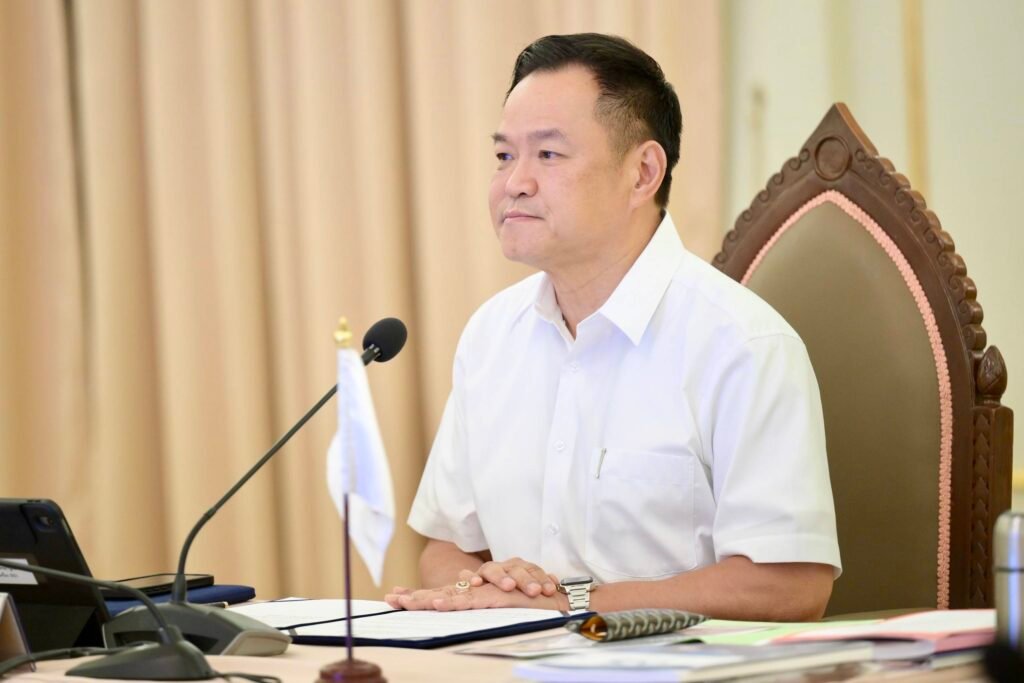
Thai Prime Minister Anutin Charnvirakul. Source : thaigov.go.th
Knowing this, the government is trying to change the makeup of the tourist from sheer numbers to increasing tourists who are willing to spend for premium experiences in Thailand and “High quality tourist.”
In doing so, Prime Minister Anutin’s cabinet approved slashing the 60 day visa free travel to 30 days for visitors from over 93 countries. Bhummikitti Ruktaengam, president of the Sustainable Tourism Development Foundation backed this decision, saying that the decision followed lengthy consultations between the government and tourism operators. Opposition MP Saengdee, representing Phuket city, a tourist hotspot, also supported this decision.
Beginning in early May 2026, Phuket’s immigration service in coordination with foreign consulates and the public increased law enforcement presence in the city, tightening screenings and crackdowns on illegal activities perpetrated by foreigners. Crimes mostly involve drug use or working in the country without proper documents. Enforcement activities are not limited to only reactive efforts as the provincial police have also set up a centre to help tourists, which most cases involve traffic accidents.
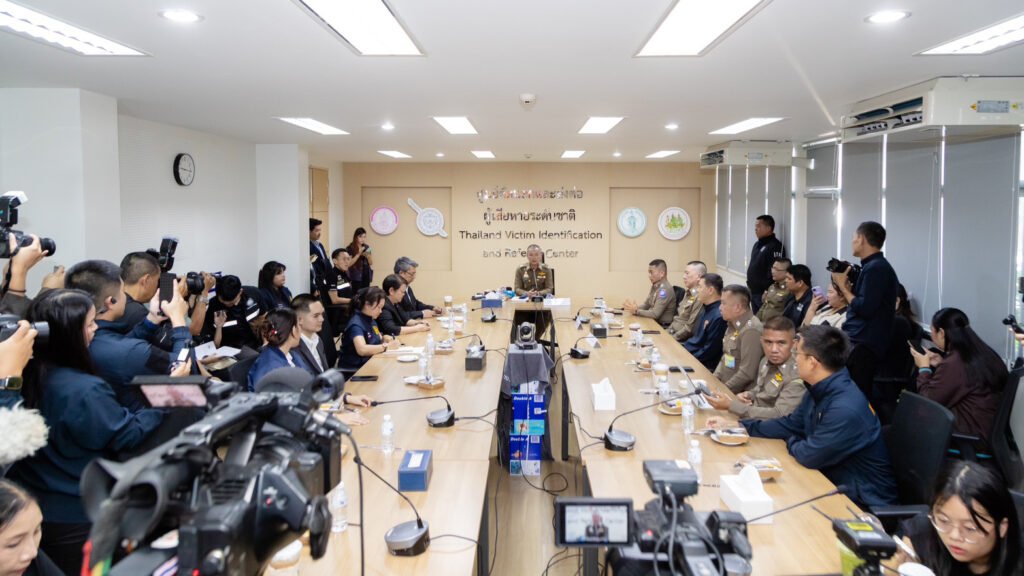
Thailan National Police and Thailand Authority of tourism hold a joint meeting. Source : Thailand Authority of Tourism
Besides these actions, policymakers are embracing a new outlook that prioritizes value over volume. Following this, the Tourism Authority of Thailand and relevant government bodies are shifting to cater to diverse interests such as wellness, cultural immersion, gastronomy, adventure and creative arts. In doing so it is looking to invest in premium destinations, hotels and highly personalized tourism packages. There is no concrete action taken yet on this outlook as they are limited to mere discussion phases.
As solid as these plans seem, not everyone seems to be onboard with it. A reddit post in r/thailandtourism criticized the strategy built around luxury services. It claimed that this will drain out income from hostels, guest houses and family run business catering to backpackers and mid range travelers into pockets of corporate run businesses. The user added that backpackers might not spend a lot per day but they spend consistently over a longer period of time.
With these policies having been implemented for less than a month, it is too quick to judge if they will bring about any meaningful change, especially considering such a shift in strategy is nearly unprecedented in Southeast Asia or even Asia. Reevaluation and calibration will have to take place if nothing significant comes of it.
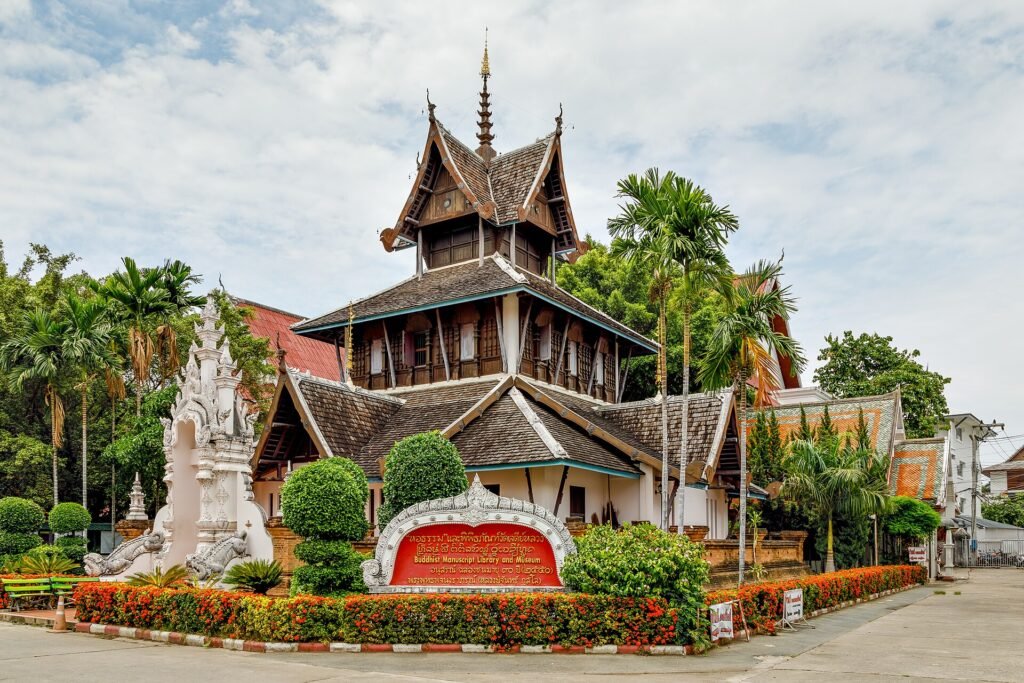
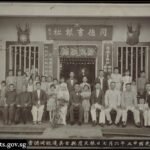
Chiang-Mai Thailand Buddhist Manuscript Library and Museum Source : Wikimedia Commons
However, if it produces the intended objectives, the strategy can be copied by its Southeast Asian neighbors. Indonesia also suffers through over-tourism. Locals are pressured by burdensome tourists while the governments insist that Indonesia’s culture and laws must be prioritized as to not sell themselves short.
With a solid chunk of their economies reliant on tourism, Thailand along with a number of other Southeast Asian countries are stuck between a rock and a hard place as their sources of income are becoming increasingly difficult to manage. Not only this should be a sign to readjust their tourism policy but also it must serve as a wake up call to shift their overall economic strategy to be less reliant on foreign entities, meaning tourism as well as the highly sought after foreign direct investments. It is high time for Thailand and its neighbors to exercise agency in a way that is less reactive to foreign actors but instead proactive.
Manh Chien Nguyen is a Mainland Southeast Asia columnist for Southeast Asia Analyst, based in Hanoi.