The report claimed a minimum of 700 civilian deaths from the time of announcing the election to the election period itself (August 2025 to January 2026) with airstrikes from fighter jets and drones alleged as the largest causes of destruction and suffering.
Editor – Southeast Asia Analyst.
On 22nd June 2026, the Office of the United Nations High Commissioner for Human Rights (UN – OHCHR) released a report describing human rights violations and lack of respect for rule of law perpetrated by all actors in the Myanmar civil war ranging from the Junta, the National Unity Government and anti Junta forces.
The report claimed a minimum of 700 civilian deaths from the time of announcing the election to the election period itself (August 2025 to January 2026) with airstrikes from fighter jets and drones alleged as the largest causes of destruction and suffering. Outside of killings, persecutions and harassments on political grounds were rampant as well. Military figures estimate at least 400 people prosecuted ahead of elections, including for minor online criticism. Punishments were as harsh as a 49 year prison sentence for disseminating anti-election materials.
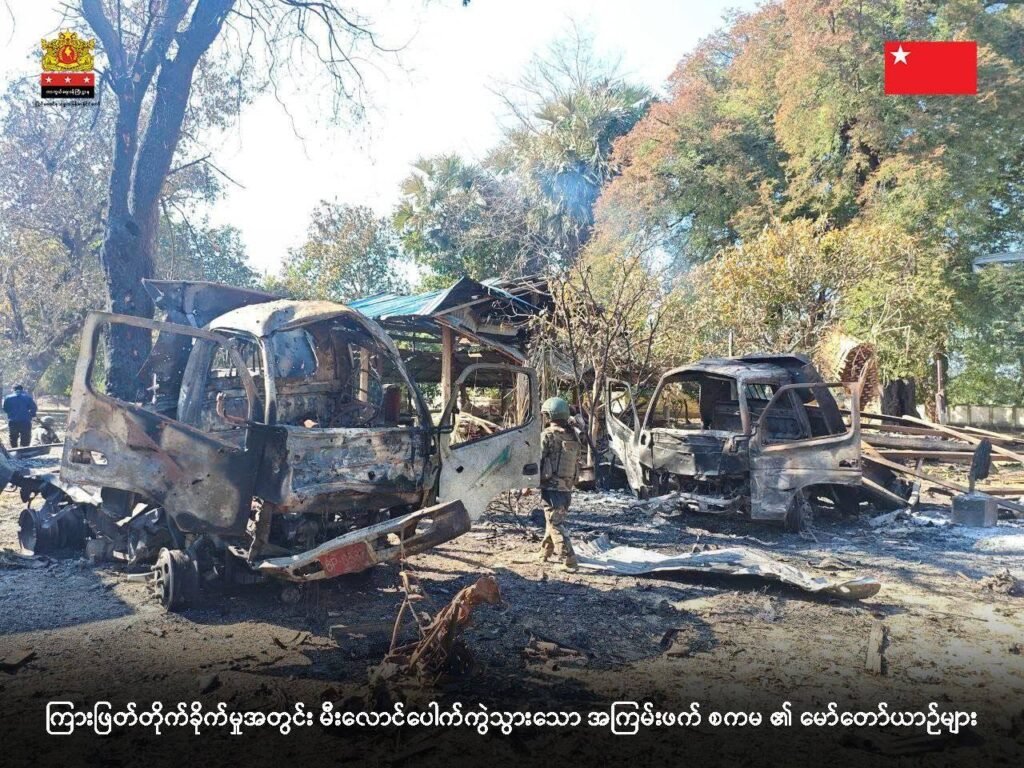
Junta vehicles burnt and destroyed by PDF. Source : Facebook/ Ministry of Defence – National Unity Government of Myanmar
The junta was not the only actor to blame in human rights abuses. The anti junta forces too engaged in intimidation and propaganda tactics to voters, even carrying out armed attacks at voting stations which they claimed responsibility for. Credible sources reported around 26 attacks on voting stations per month during the prime election period. (November 2025 – January 2026).
Violence towards minorities continued as well with Rohingya communities remaining vulnerable to forced recruitments, killings and sexual violence by the Arakan army. Given the Rakhine state’s strategic location for ports and pipelines, military and resistance operations in the region ramped up, leaving other ethnic Rakhine communities also exposed to indiscriminate attacks such as a hospital bombing that left 33 civilians.
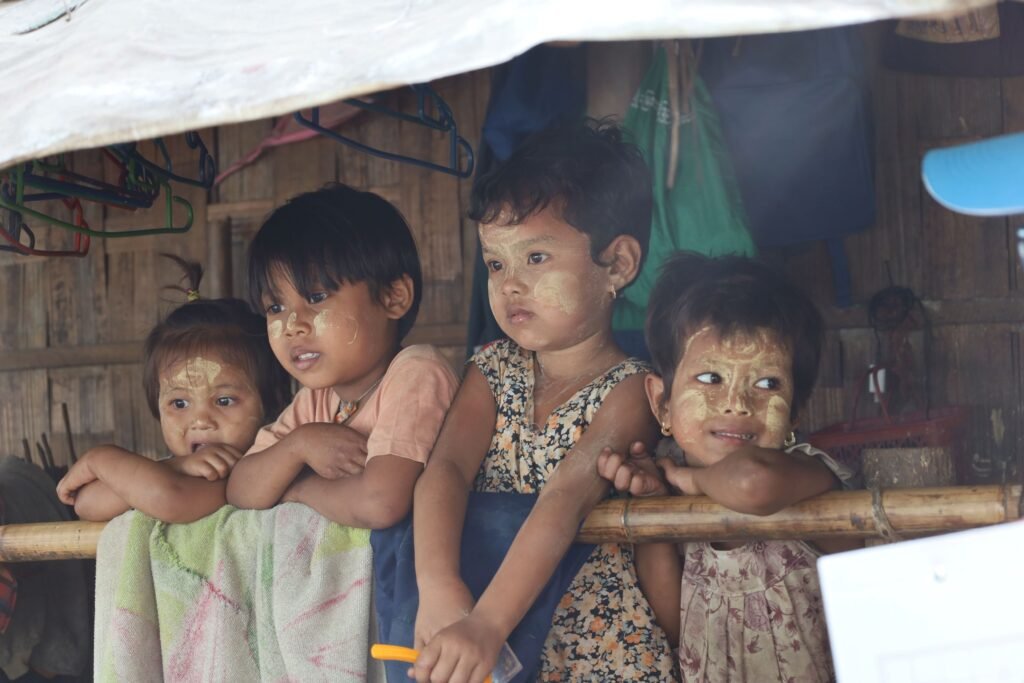
Children in Rakhine State. Source : X.com/ @ECHO_Asia
With such widespread violence, the report claimed that civilians only had each other, organized groups within themselves and local governance structures for protections. Frequent airstrikes from both sides of the civil war forced civilians to build household bunkers and shelters that are usually self funded and stand ineffective against heavier weaponry.
The report concludes with recommendations to the actors involved in the war to immediately cease all human rights violations. Besides this, recommendations are targeted towards other countries especially to ASEAN member states where they are requested to stop and prevent arms transfer to Myanmar, politically and financially support the demands by the people of Myanmar for democracy and justice and respect for human rights and the rule of law and Refrain from lending legitimacy to the military’s purported exercise of civilian authority.
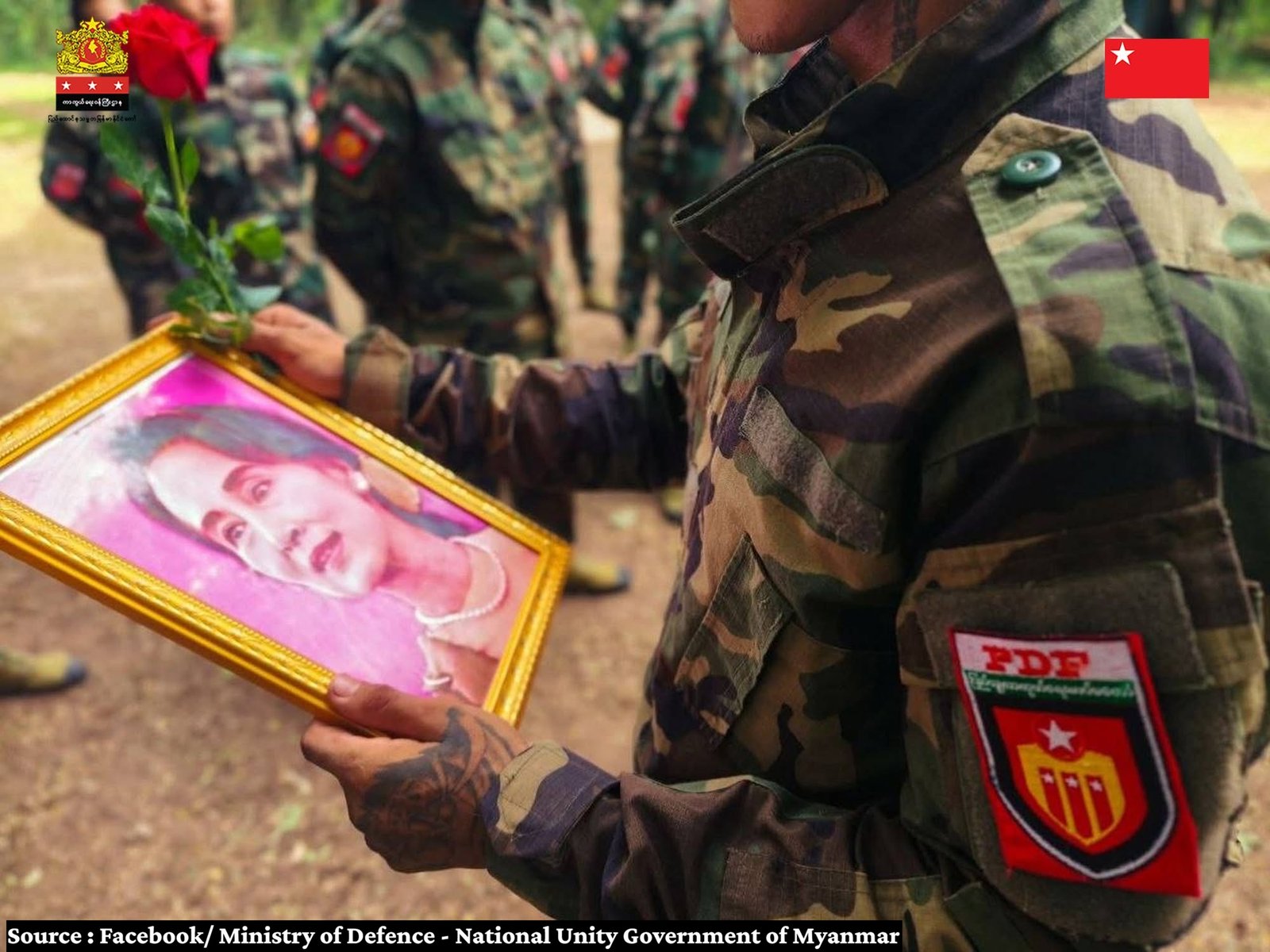
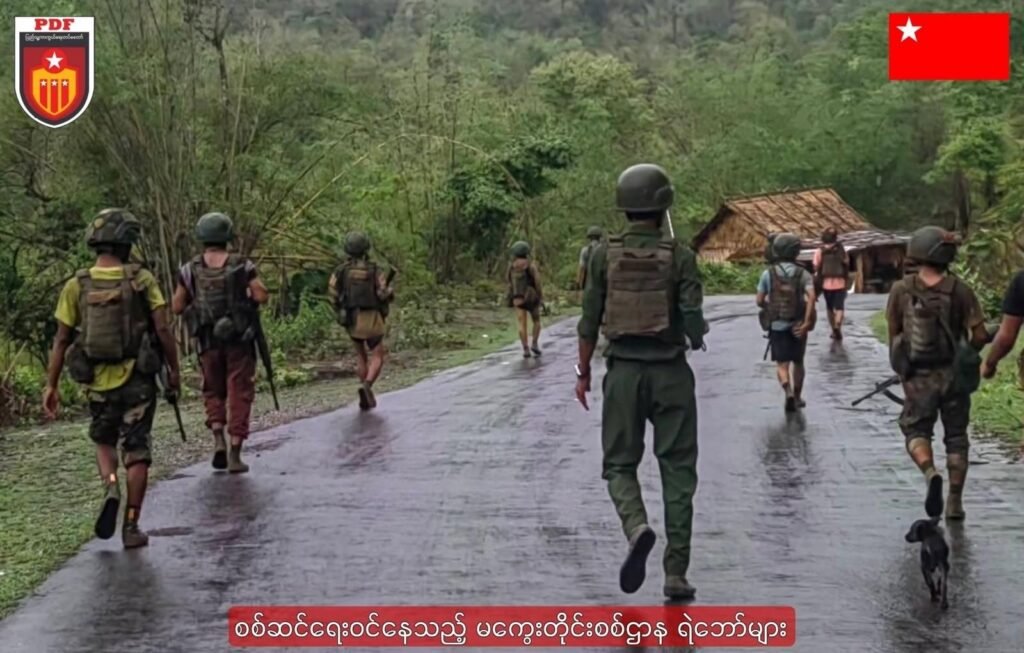
People’s Defense Forces engaging in training. Source : X.com/ @pdfhq_modnug
The irony of President Min Aung Hlaing claiming that “Myanmar has returned to the path of democracy and is heading towards a better future” becomes jarring when it is juxtaposed against the above findings. A path to democracy simply cannot begin from human rights violations, political silencing and a starting point where civilians are left out of participation.
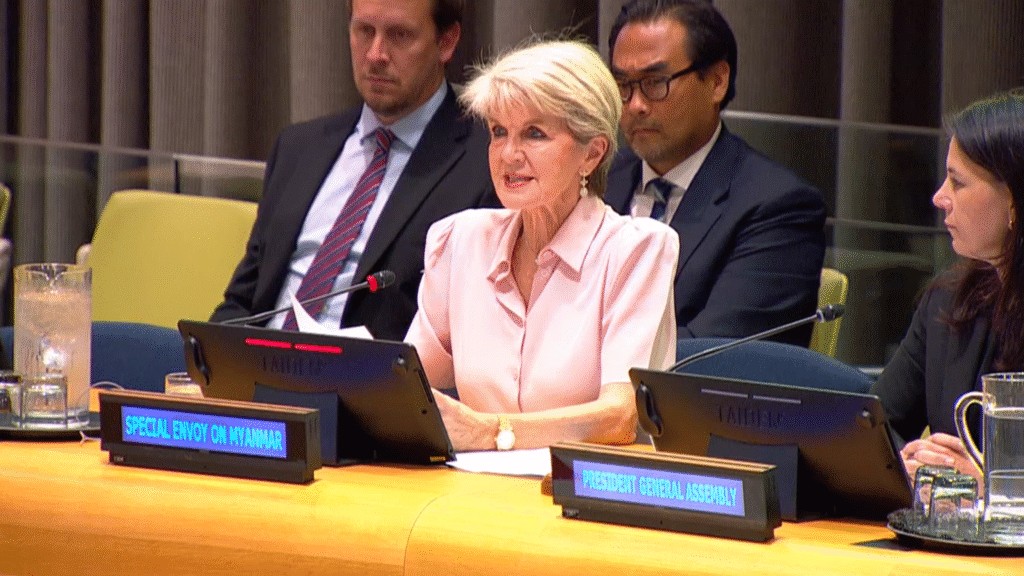
While the report only depicts statistics until January this year, UN Special Envoy on Myanmar Julie Bishop warned on 22nd June that the situation in Myanmar only got worse since the elections. Bishop told the UN General assembly after returning from her trips to Myanmar where she met with the Hlaing’s administration, the National Unity Government and the ethnic groups and civil society organizations.
Julie Bishop giving a speech to UN General Assembly. Source : United Nations
Economies remain stagnant with a third of the population living under poverty, with such conditions, the working age groups are fleeing the country or forced into illicit activities such as drug trade and scam operations. It has reached to an extent that Myanmar is a global supplier of methamphetamine and opium.
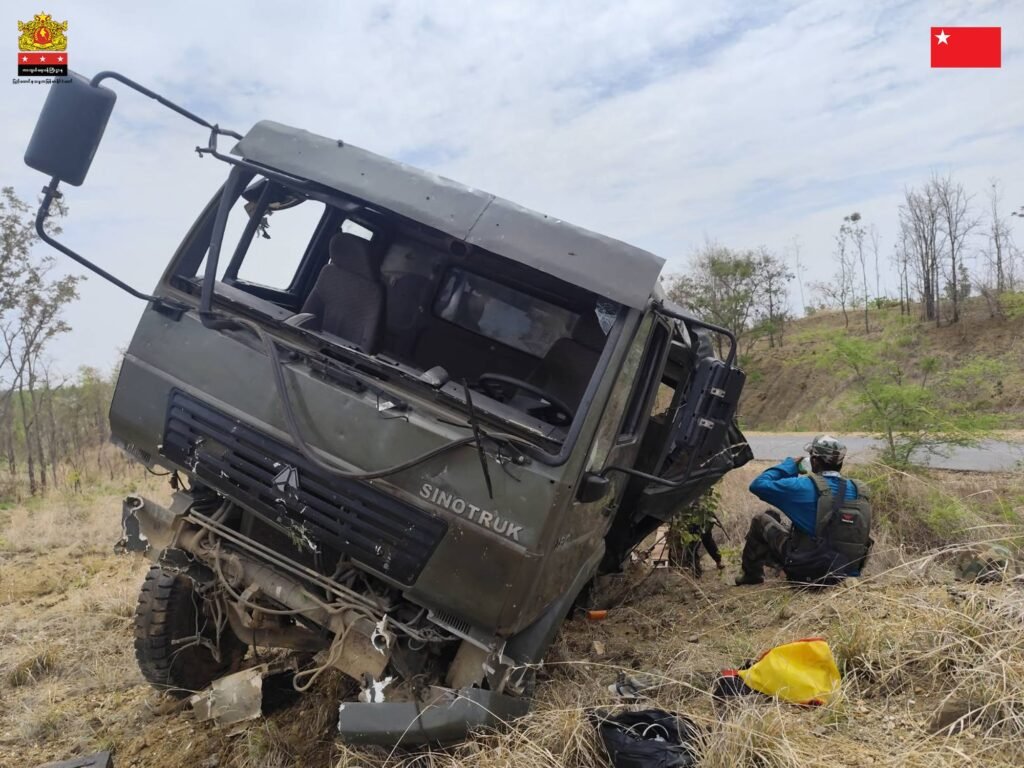
Skirmishes and armed conflicts are increasing as well after a short post election season hiatus. Most recently development involved airstrikes and landmines between the National Unity Government’s People’s Defense Force (PDF) and the military conducting airstrikes to each other in the Magwe region. Fighting between resistance forces themselves are occurring as well with Myanmar’s communist People Liberation Army and the PDF locked in a stand off involving allegations of junta informants.
Military truck damaged by landmine. Source : Facebook/ Ministry of Defence – National Unity Government of Myanmar
The UN report and testament from Bishop is a good starting point to paint a picture to outsiders on the dire situation Myanmar is stuck in. However it is unlikely the situation will change anytime soon. Hlaing’s administration has yet to show willingness to reform through any meaningful action. Comprehensive roadmaps or strategies were not published either. The 100-Day Blueprint for National Resurgence from Hlaing’s administration is only one of its kind. It lacks substance, does not include measures for economic recovery and poses an ultimatum to join peace talks to its adversaries.
Conflict resolution or at the very least progress in Myanmar should take place by the internal actor’s terms. However vested interest from foreign actors play an enormous role in the ongoing civil war through arms transfer, financial aid and political legitimacy. Thus their involvement from them must stop in order to create meaningful change.
Manh Chien Nguyen is a Mainland Southeast Asia columnist for Southeast Asia Analyst, based in Hanoi.