Faced with these situations, the two attempted to negotiate peace a few times this past year. However this yielded next to no results.
Editor – Southeast Asia Analyst
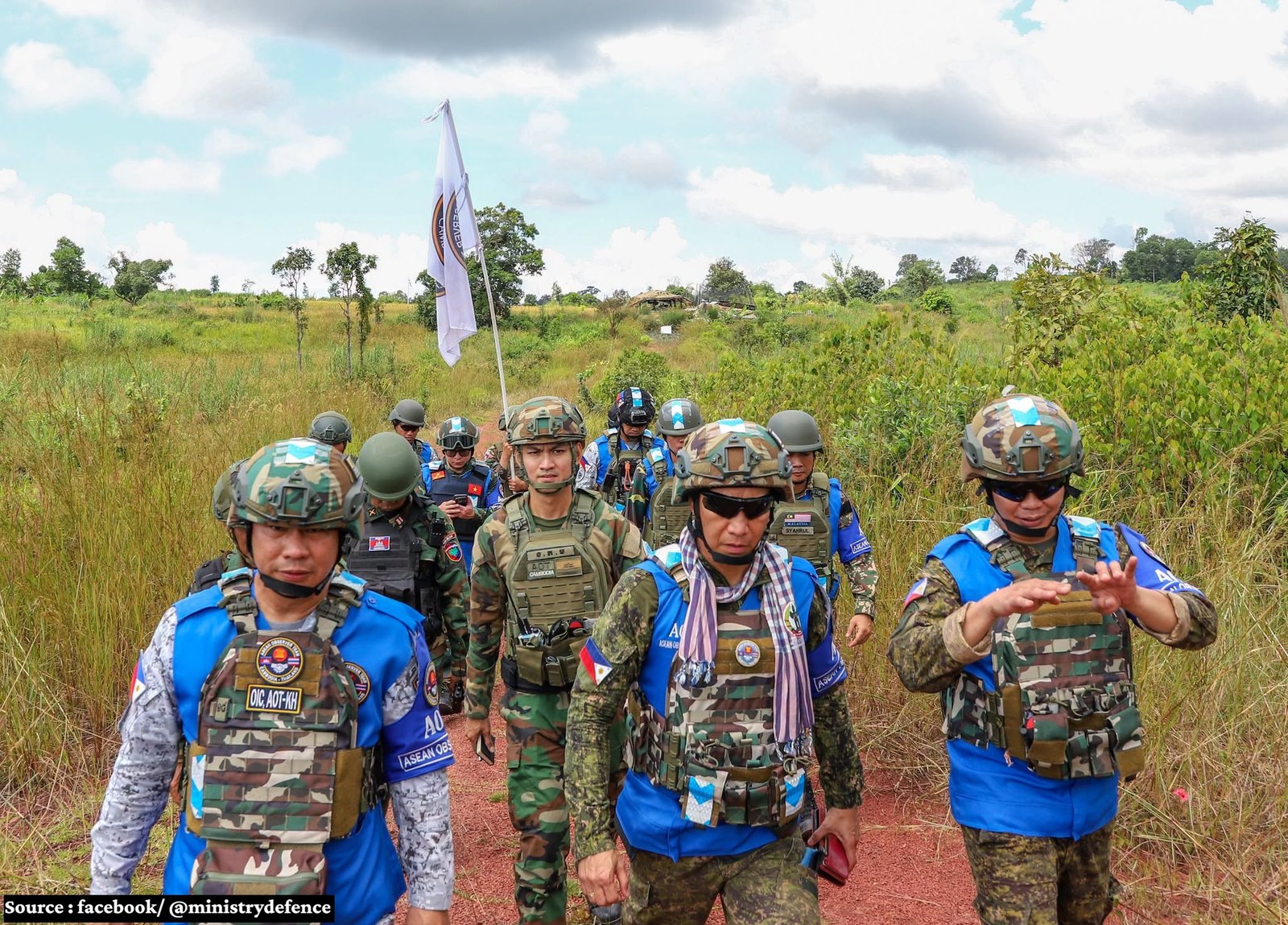
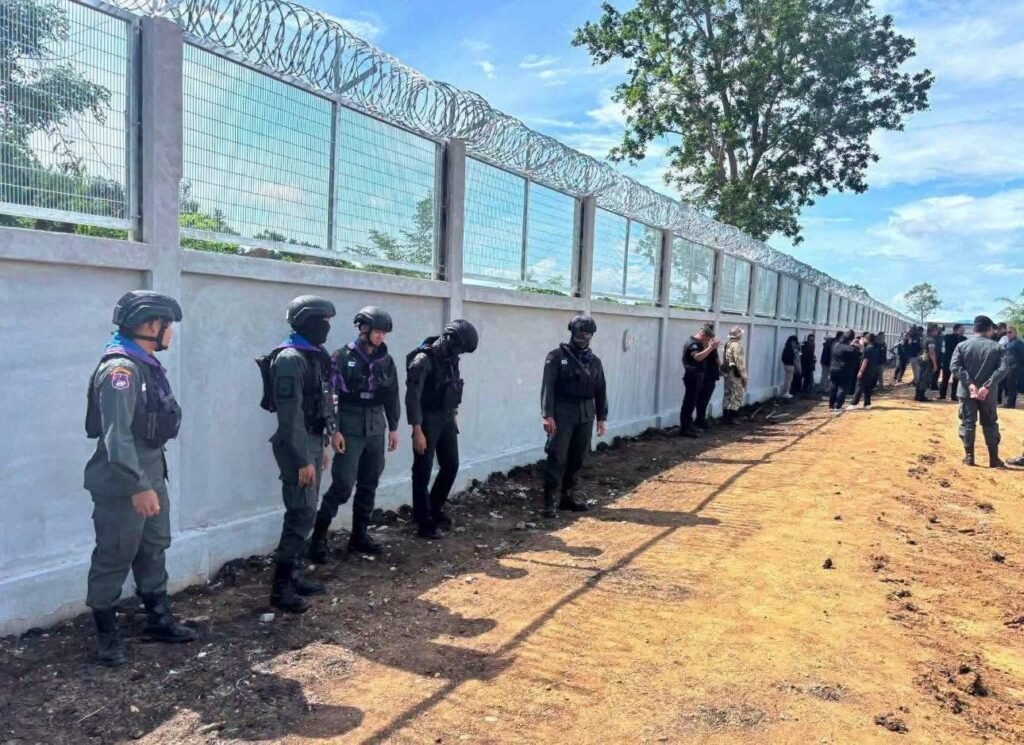
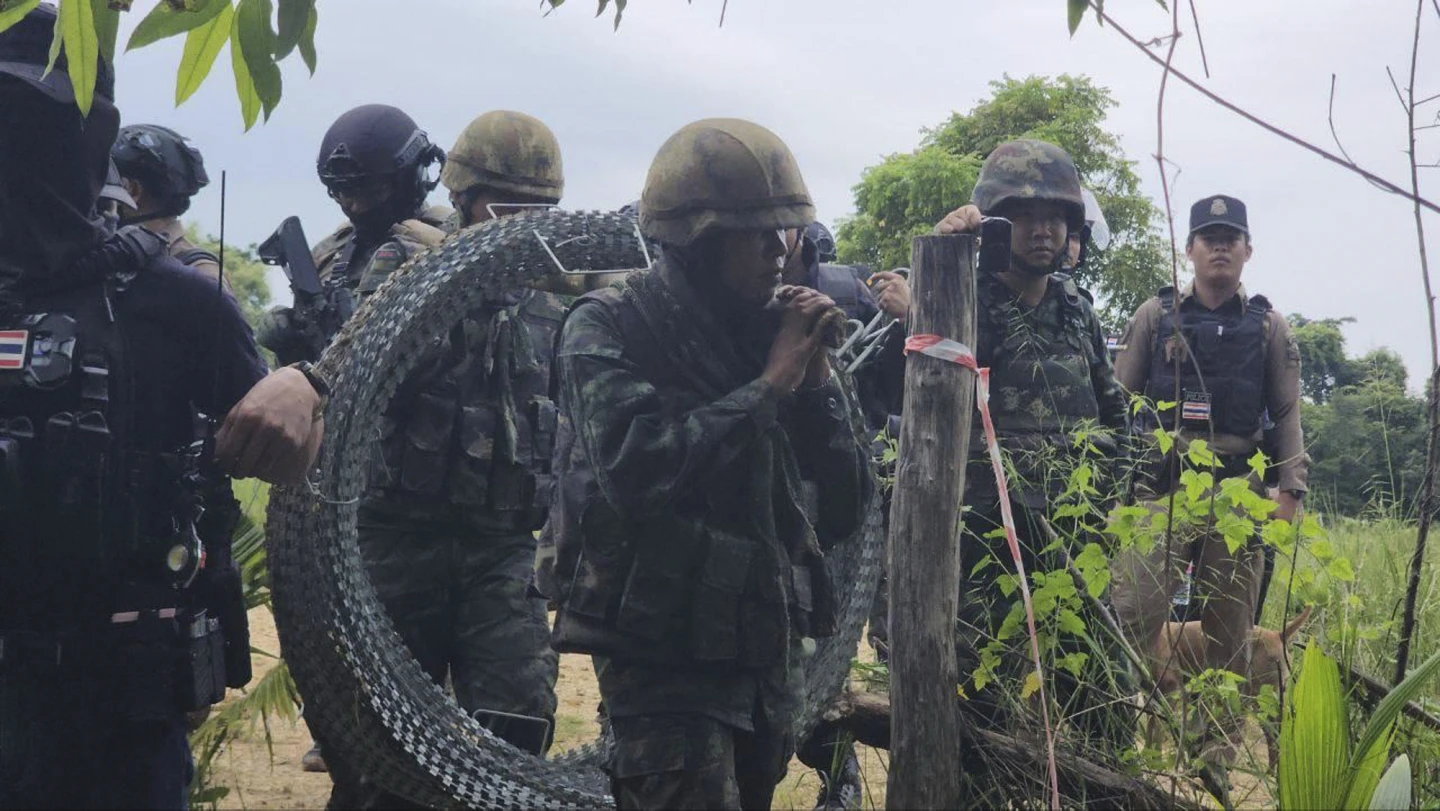
Within Cambodia’s Chantaburi province sits a 1.3kilometer long concrete fence surrounded by barbed wire erected by Thai authorities. Before this grey structure was established and declared complete by October 2026 after months of demining the land and testing the walls with. The area primarily consisted of dense jungles and open farmlands before construction began, but now there is a permanent reminder of the conflict between Cambodia and Thailand that lasted months from late 2025 to early 2026 with kilometers more already planned. Well over a year into the first ceasefire stamped out between Cambodia and Thailand, the neighbours still maintain a bitter stance against each other.
Taking advantage of the border conflict, Cambodian Prime Minister Hun Manet effectively painted himself as the ultimate protector of the Kingdom’s sovereignty. Gripes against the government subsided and Hun Manet was able to silence criticism towards him, this however did not last long. With scam centers and internal corruption issues left addressed, voters are turning their backs on the government and raising their voices against them again. In an attempt to silence dissidents ahead of the commune elections, the prime minister’s inner circle urged the public to avoid using the term “lost land” to deny any accusations of the government ceded territory to Thailand.
Thai prime minister Anutin as well is facing the same consequences. After riding the nationalism wave across Thailand during the border conflict’s early phase and using it to eventually win premiership, approval rates for himself and his party plummeted to below 20% as of September 2026 mainly due to rising energy prices which led to nationwide inflation. Despite this, the nationalist prime minister maintained that will not reopen its border checkpoints with Cambodia until its key concerns are addressed.
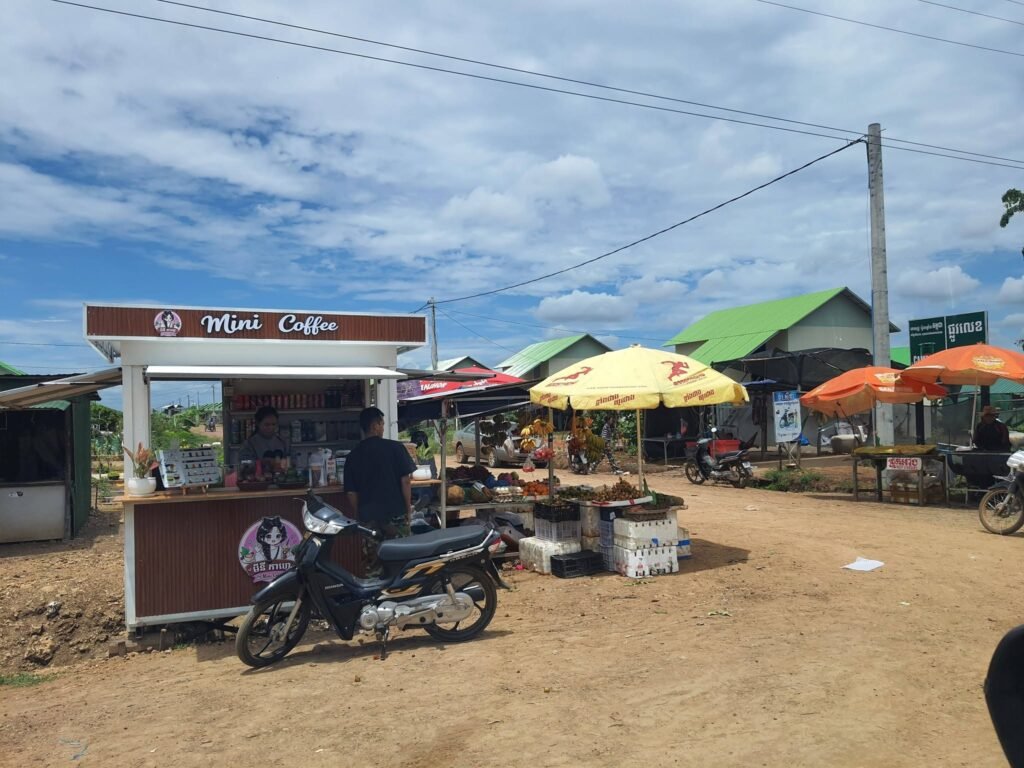
Cambodian refugees in “waiting villages” making do. Source : facebook/ ASEAN Skyline Rising
Such confrontational and uncompromising stances between the elites are costing the public and proves counter productive to issues that primarily influence public satisfaction towards them. Cambodian refugees numbering in the thousands now reside in “waiting villages” which risk becoming a permanent settlement. Economically as well both sides were heavily affected. Faced with soaring transport prices due to the pressure from the border crisis, a handful of factories in Cambodia’s Banteay Meanchey province have closed or are preparing to shut down, affecting nearly 4000 workers. Similarly, with nearly a million Cambodian migrant workers leaving Thailand left the country with a production vacuum that cannot be immediately filled with its aging population.
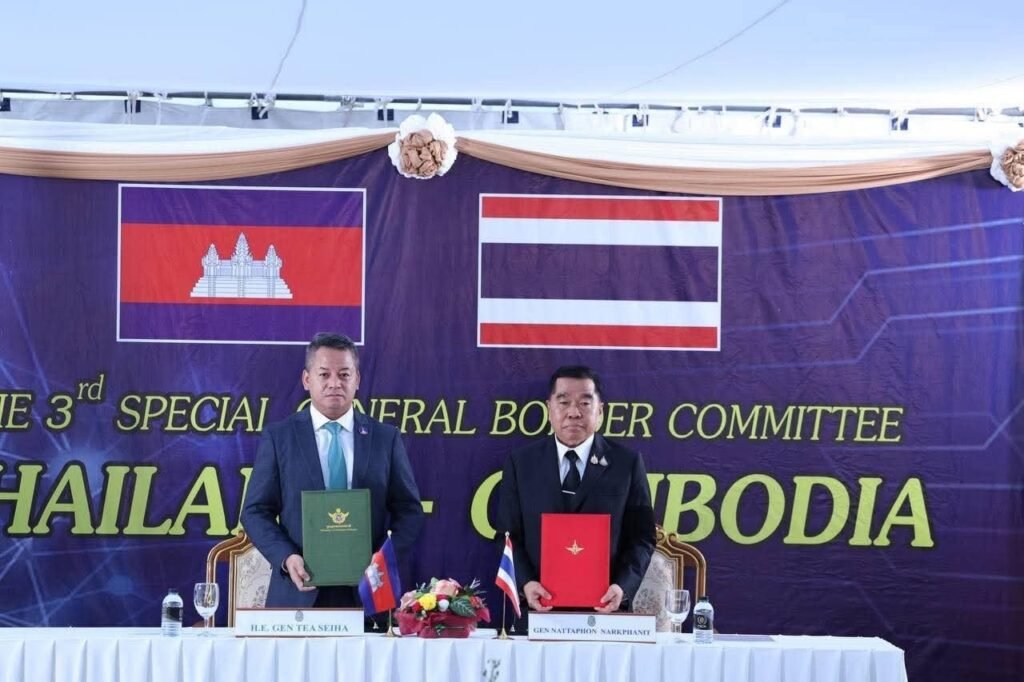
General Tea and General Nattaphon sign agreements concerning border. Source : facebook/ Hun Manet
Faced with these situations, the two attempted to negotiate peace a few times this past year. However this yielded next to no results. Besides the Kuala Lumpur accords, the prime ministers the neighbouring countries met in the Vietnam hosted ASEAN Future forum which only involved smiles, handshakes and acknowledging the tension along the border. The relationship that soured also resulted in the maritime agreement between them being terminated and multiple rounds of conciliation which again failed to create a final deal.
Time showed that the border conflict now no longer serves a purpose within Cambodia and Thailand’s domestic politics thus it is irrational to hold on to such assertive stance at the cost of livelihood of marginalized groups.
Manh Chien Nguyen is a Mainland Southeast Asia columnist for Southeast Asia Analyst, based in Hanoi.