For the Philippines, the transfer presents an opportunity to expand its maritime capabilities through an unconventional partnership.
Editor – Southeast Asia Analyst
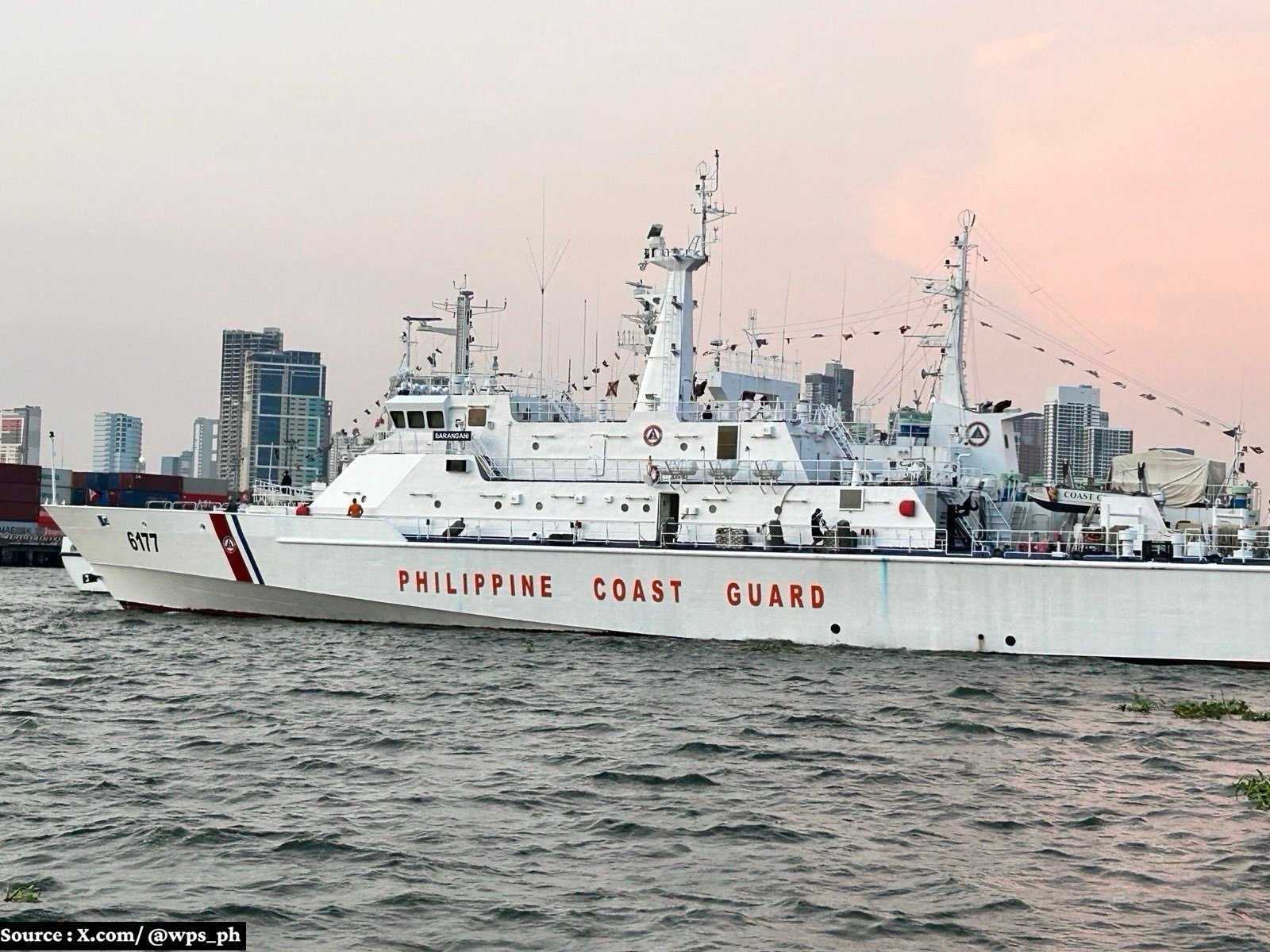
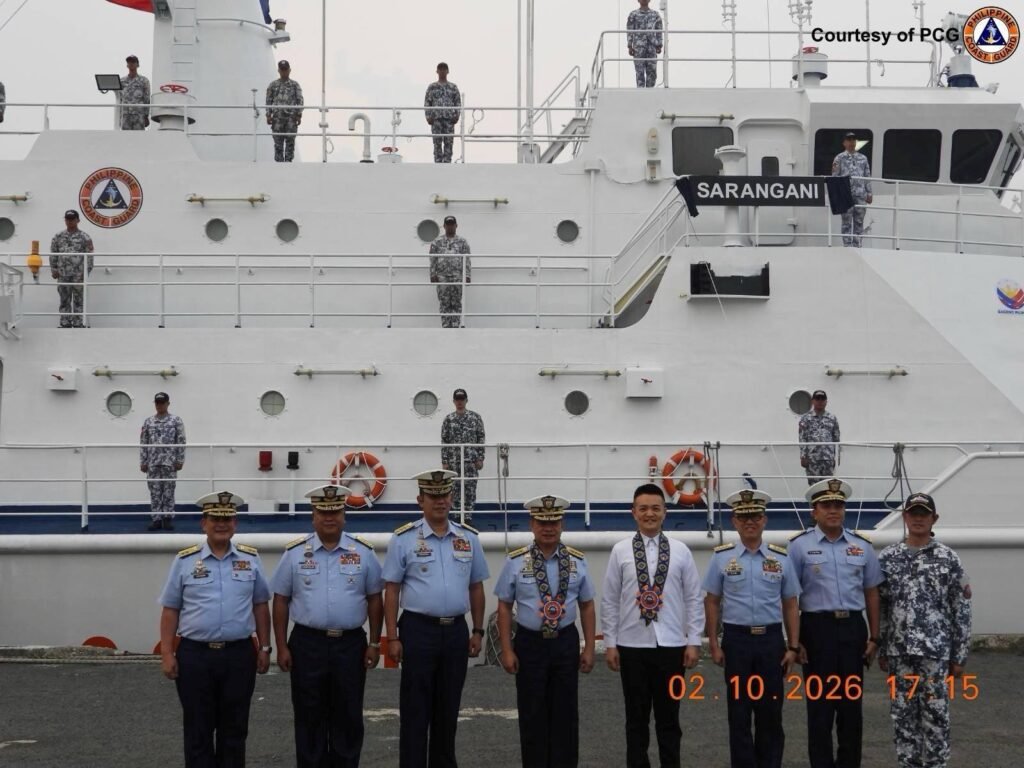
On 21 September 2026, the Taiwanese Coast Guard Administration donated one of its decommissioned patrol vessels to the Philippines. The 500-tonne Kinmen-class patrol ship, formerly known as Lienchiang, was transferred through the NGO, We Protect Our Seas (WPS) Foundation, which subsequently handed it over to the Philippines Coast Guard on October 2nd which was eventually renamed as BRP Sarangani. The patrol vessel was assigned to aid in training and maritime capacity building, as well as in search and rescue, disaster response, humanitarian assistance, and marine environment and protection operations.
For the Philippines, the transfer presents an opportunity to expand its maritime capabilities through an unconventional partnership. Although Manila has not maintained formal diplomatic relations with Taipei since 1975, the two sides found ways to cooperate on practical maritime concerns. The arrangement highlights how the Philippines can pursue functional partnerships with Taiwan while navigating the diplomatic constraints imposed by its relationship with Beijing.
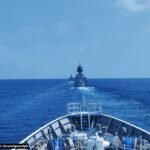
BRP Sarangani received by Philippines Coast Guard. Source : X.com/ @wps_ph
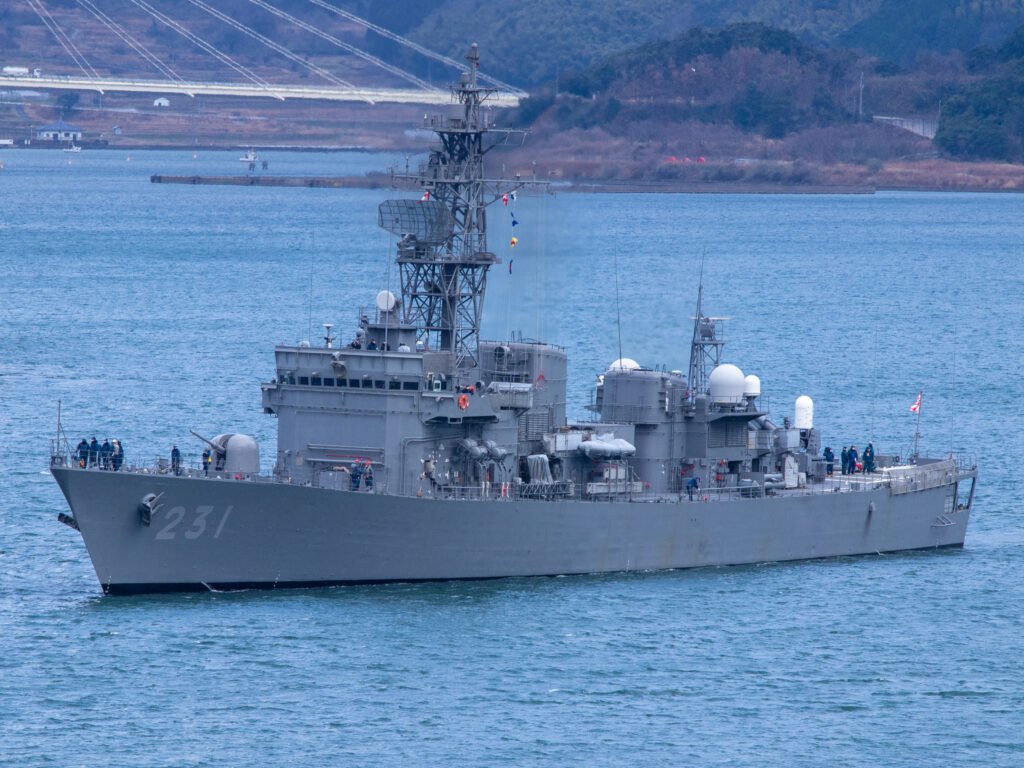
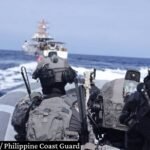
The transfer comes as the Philippines seeks to modernise its maritime security capabilities while it constantly locks horns with Beijing over maritime rights and sovereignty over Spratly islands and Scarborough Shoal. The South China Sea, famously dubbed; the West Philippine Sea by Manila, became a major site of collisions with larger Chinese cutter and warships. In order to mitigate the threat posed by China, the Philippine Coast Guard (PCG) announced the 45-vessel procurement plan to expand their existing fleet. Philippines has inked a deal with the French Shipbuilder OCEA for the construction of 40 fast patrol boats and has also reached an agreement with Japan under the latter’s Official Security Assistance (OSA) to receive five Abukuma-class destroyer escorts.
Within this broader modernisation effort, the BRP Sarangani represents a different form of external support. Rather than a conventional procurement agreement, the transfer involves a decommissioned vessel intended for civilian maritime functions. Its proposed uses in search and rescue, disaster response and environmental protection could support the Philippine Coast Guard’s operational responsibilities beyond the immediate demands of territorial disputes.
Abukuma class destroyer. Source : Wikipedia
The Philippines’ engagement with Taiwan is particularly notable given the absence of formal diplomatic relations between the two sides. Manila recognised the People’s Republic of China in 1975 and adheres to a One-China policy, which constrains the political scope of its official engagement with Taipei. The use of the WPS Foundation as an intermediary offers a channel through which the transfer could take place without requiring a formal diplomatic realignment. The organisation focuses on maritime issues in the South China Sea and also organises the Manila Dialogue on the South China Sea. Its involvement illustrates how non-governmental actors can facilitate practical cooperation where conventional diplomatic channels are politically sensitive.
The transfer does not, on its own, establish that Manila is pursuing a broader strategic partnership with Taipei. Nevertheless, it demonstrates that the absence of formal diplomatic relations need not preclude cooperation on issues of shared practical interest and overlooking past frictions, more specifically the 2013 maritime crisis which involved the fatal shooting of a Taiwanese fisherman by the Philippines Coast Guard. The Ocean Affairs Council Minister of Taiwan further clarified that Manila and Taipei have signed an agreement that the vessel would be used strictly for civilian purposes, relieving public sentiment fearing a repeat of the 2013 incident.
The shift in unofficial security cooperation across the First Island Chain, stretching from the area of Japan, down to Taiwan, the Philippines and Borneo, is also noteworthy. Maintaining peace in the Indo-Pacific region has been one of Taipei’s key national security goals. The uptick in Chinese naval movement and grey zone activity in the Western Pacific created a sense of neighbourhood insecurity that required asymmetric co-operation and peer-based deterrence.
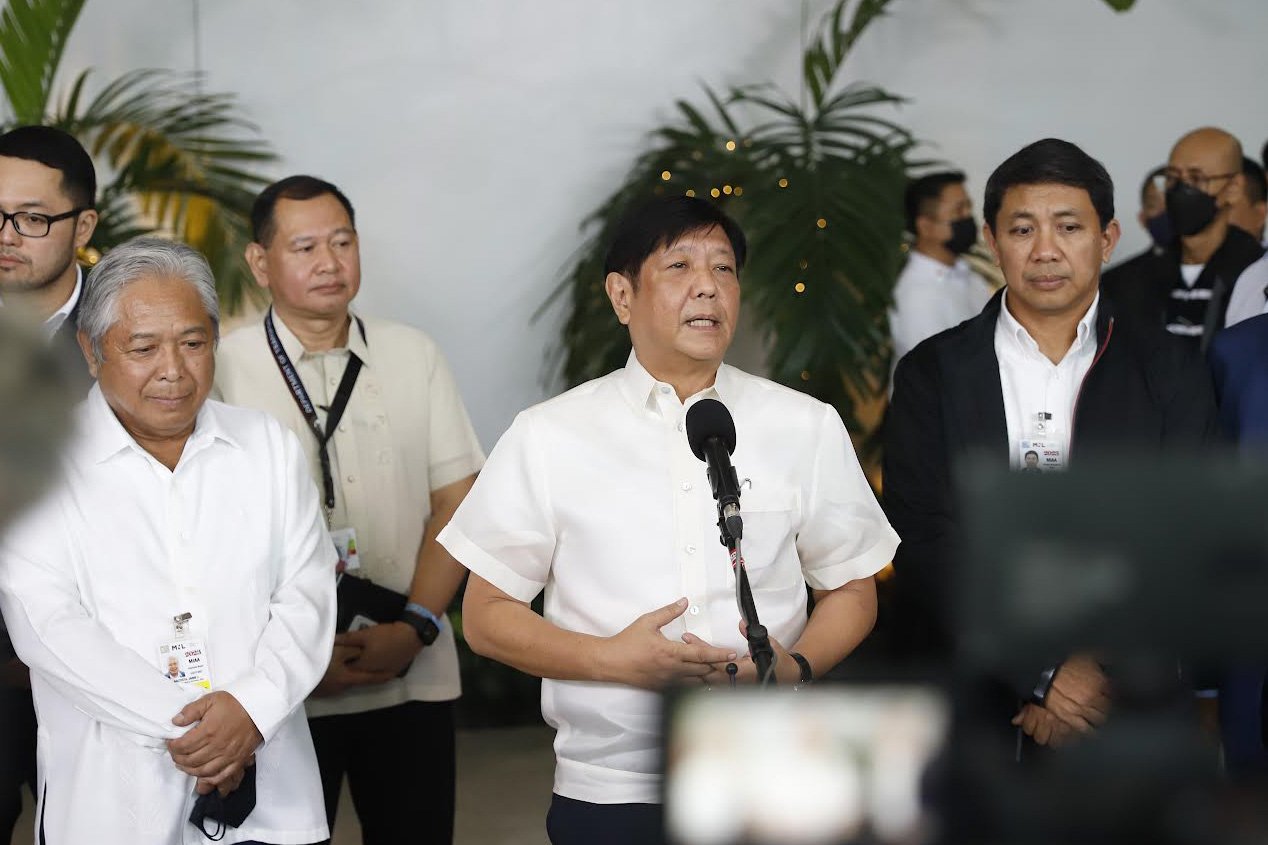
In the event of a Chinese invasion, the first island chain, including the Philippines, would be adversely affected. Taiwan and its security remain an important national security concern in the Western Pacific, prompting governments in the region to collaborate with each other militarily. The geographical proximity of the Philippines’s northernmost Batanes means that if tensions over the Taiwan strait were to manifest into a full-blown crisis, it would ultimately threaten the Philippines. Last year, the Philippine President Ferdinand Marcos Jr warned that the Philippines would be dragged “kicking and screaming” into any war over Taiwan. At the start of 2026, the Philippines, the United States and Japan conducted a joint exercise over the Bashi channel, a crucial commercial passage between Taiwan and the Philippines, connecting the South China Sea with the Western Pacific. Military coordination, thus, is becoming an essential tenet of upholding the notion of the “Free and Open Pacific” in the region.
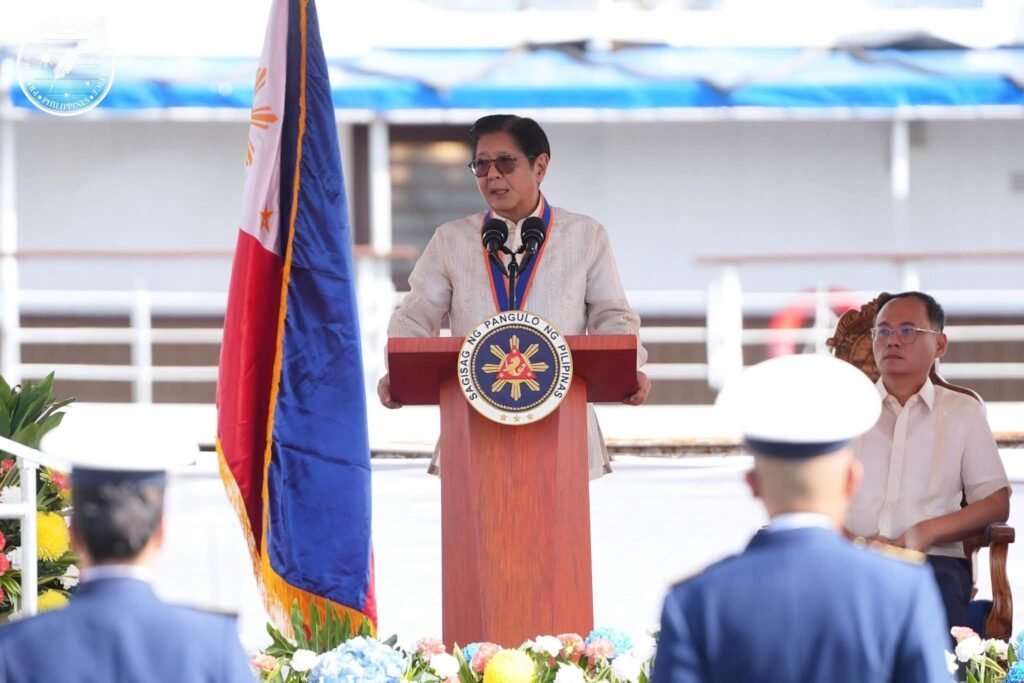
President Marcos Jr addressing the Philippines Coast Guard. Source : pco.gov.ph
Taiwan maintains direct diplomatic relations with only a handful of countries and has previously transferred decommissioned patrol vessels to the pacific island nations of Tuvalu, Palau, and the Marshall islands formally. In October 2026, the Taiwanese Coast Guard dispatched a second “Friendship Fleet” to Palau, consisting of two vessels, furthering their coast guard diplomacy. While Taiwan has engaged unofficially in the maritime realm in the past with countries like the United States, France, Germany, the United Kingdom, Singapore and Japan in the form of joint exercises, arm sales and strategic alliances, the patrol vessel exchange to an informal partner marks an instance first of its kind.
These developments underscore Manila’s need to prepare for a complex maritime environment. Yet cooperation with Taiwan on civilian coast guard functions should not automatically be interpreted as evidence of a shared military strategy. The immediate significance of the BRP Sarangani lies in its intended contribution to maritime capacity and safety, even as its transfer carries wider diplomatic implications.
For Manila, the longer-term significance will depend on whether the transfer produces tangible operational benefits and whether further areas of cooperation emerge in maritime safety, disaster response and environmental protection. Such initiatives could broaden the Philippines’ network of functional partners without necessarily requiring a corresponding shift in its formal diplomatic relationships.
Anoushka Singh is a postgraduate in International Relations from Jawaharlal Nehru University, currently studying Mandarin at National Taiwan Normal University in Taiwan on HES Scholarship Awarded by the Taiwan Ministry of Foreign Affairs.