Conversations surrounding the disaster management in Southeast Asia only begin after lives are either lost or suffered by the calamities.
Editor – Southeast Asia Analyst
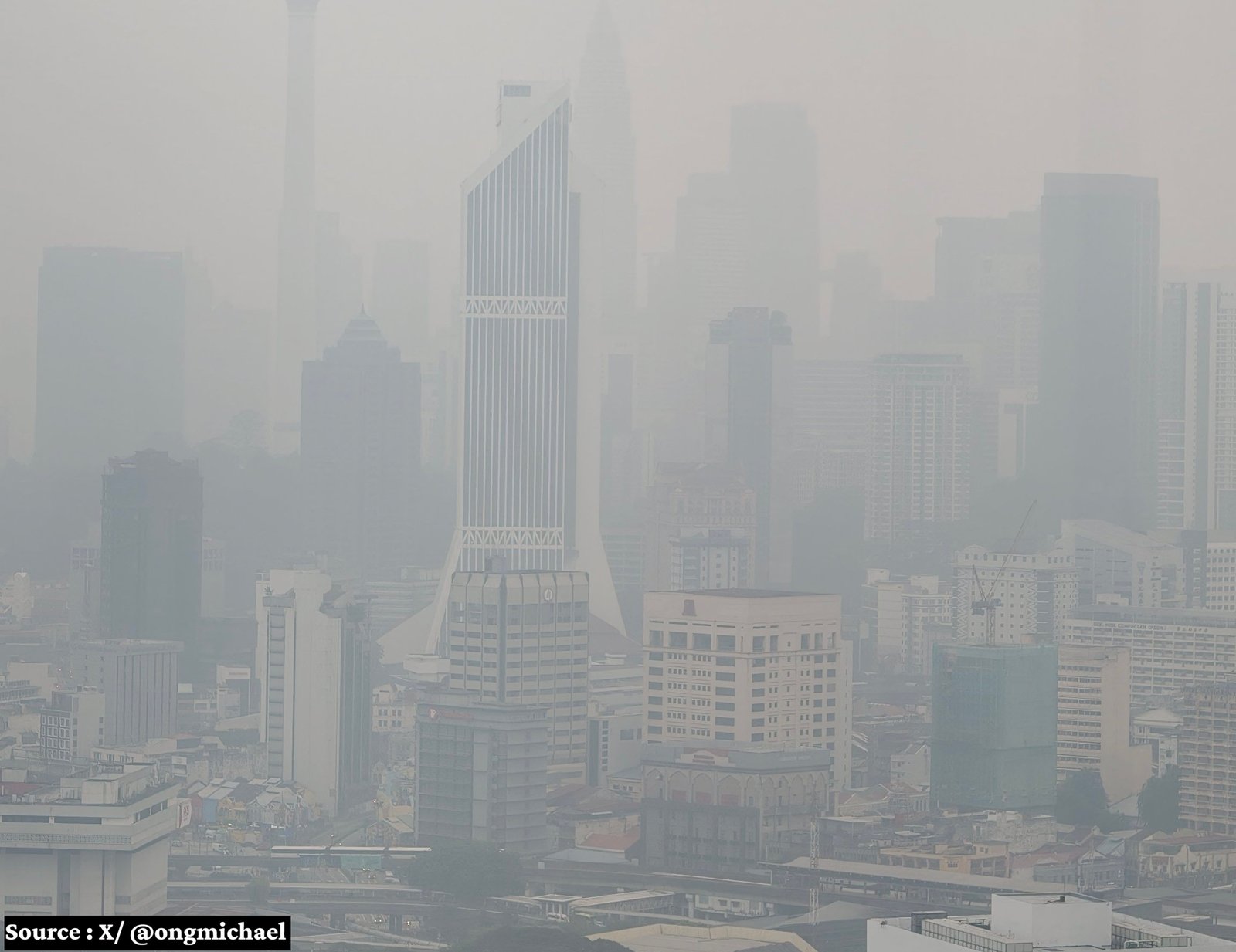
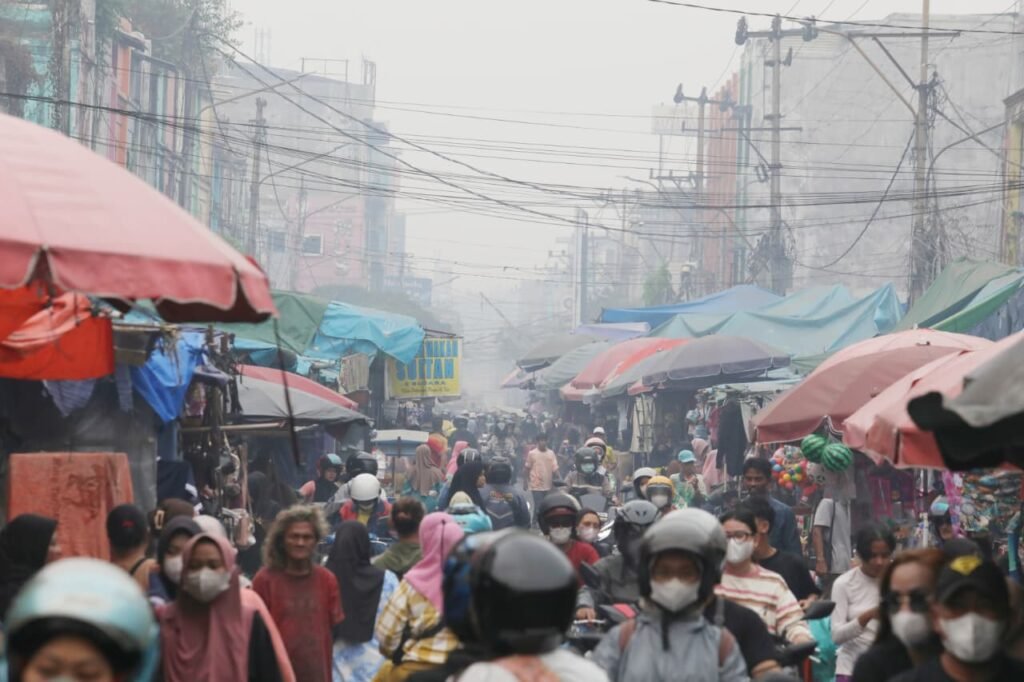
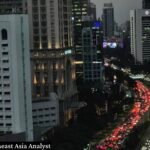
Wildfire smoke from Indonesia’s Sumatra and Kalimantan islands have blinded and choked Singaporeans and Malaysians since late September 2026. According to the ASEAN Specialized Meteorological Centre, the haze was detected as far as the southern Philippines. Schools were closed, cars collided due to poor vision and Southeast Asians numbering in the hundreds of thousands were reported to be hospitalized due to haze related health issues. Since mid this year, it is estimated that land mass as large as 10 Jakartas were burned with the fire taking away the dense biodiversity with it.
Citizens from these 3 countries quickly pointed the blame on Indonesian president Prabowo. Land clearing practices that are common in Indonesia and Prabowo’s focus on palm oil production were quickly connected which created suspicions that were vindicated in late September when he publicly asked experts if the burnt land can be used for crop production. Outraged civil society Indonesian organizations filed a lawsuit against the government and demanded the president and his cabinet serve in Kalimantan to fully understand the result of their negligence. Fire fighting efforts continues to this moment.
Haze problem in Southern Sumatra. Source : BNPB
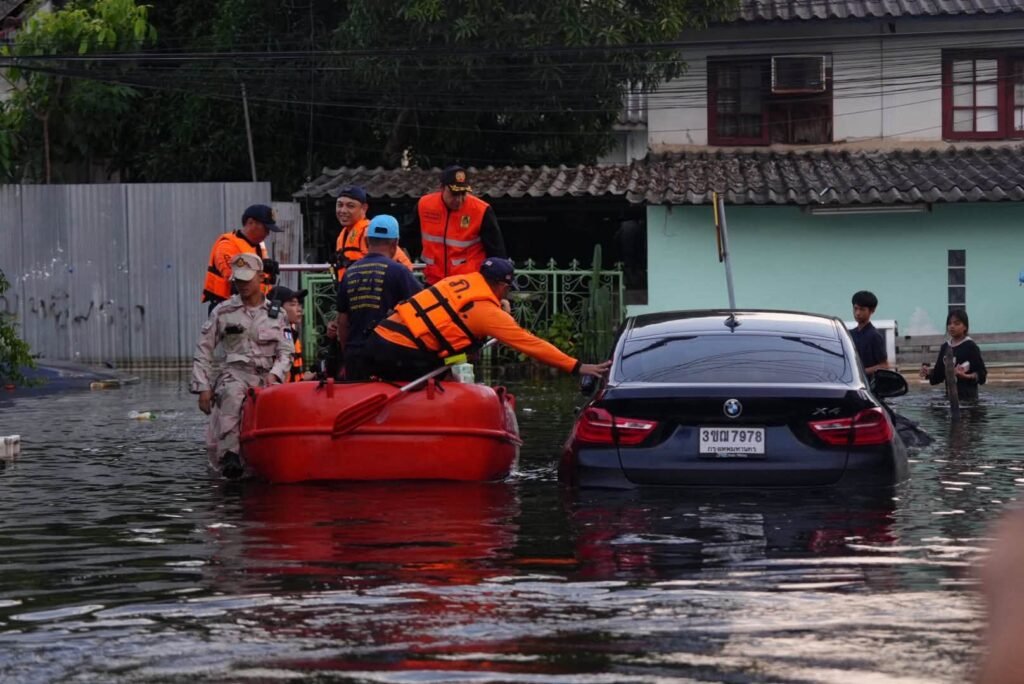
While Indonesians and its maritime neighbors are suffering from fire, Thais in various parts of the country remain affected from the flood that began mid September. Heavy monsoon downpour over the span of days flooded homes and communities, forcing millions from 21 provinces to seek refuge. Water pumps are working around the clock in major parts of the country and rescue workers are working alongside the military to transport people away from affected areas. Public reaction to the situation was largely mixed, many were cooperative and helped out each other in delivering aid while others were frustrated and heckled at Thai Prime Minister Anutin Charnvirakul urging him to visit flooded areas to see for himself the situation the country was in.
There is a visible pattern for disaster resilience in many Southeast Asian governments, conversations surrounding the matter only begin after lives are either lost or suffered by the calamities. Preemptive efforts to minimize damage from the disasters barely exist in political discussions and are often pushed under the wider environmental issue even in presidential debates. Although governments and their apologists chuck up these disasters as part of the global climate crisis that is out of their control, it needs to be remembered that knowledge regarding Southeast Asia’s location right above the ring of fire is well established and that these disasters are almost an yearly occurrence that goes back decades.
Rescue workers in Bangkok on buoys. Source : facebook/ ชอบชิดไชยชนก
“My mom grew up in Sumatra in the 80s and she had to use flashlights during the day because the haze would block out the sun,” said Dimas, 23 year old who agreed to speak with Southeast Asia Analyst.
Unfortunately, investing in disaster resilience infrastructure is politically costly and disadvantageous. “Risk reduction needs long term investment… It is a 15 year project, but political cycles are 5 years” explained the late Dr. Venkatachalam Anbumozhi, senior fellow in ERIA. “There is a mismatch… so the trade off comes, do you want to build the early warning system or take care of your education or health infrastructure? Naturally I will put more money there, rather than the long term risk that is beyond my political cycle” he added.
Worst yet, providing humanitarian aid to disaster-stricken areas proved itself useful to political audiences, as proven by another flooding case in the Philippines in August this year caused by cyclone-charged monsoon rain. One commentator pointed out that a political dynasty could stay in power because the voters received aid for the flood that might not have happened if the flood control projects hadn’t been embezzled.
Government incompetence aside, there were reported cases of civil society organizations focused on raising issues related disaster resilience in Southeast Asia receiving political intimidation and having their bank accounts frozen. Personnel from organizations as established as Greenpeace Indonesia received threatening messages and chicken carcasses in late 2025.
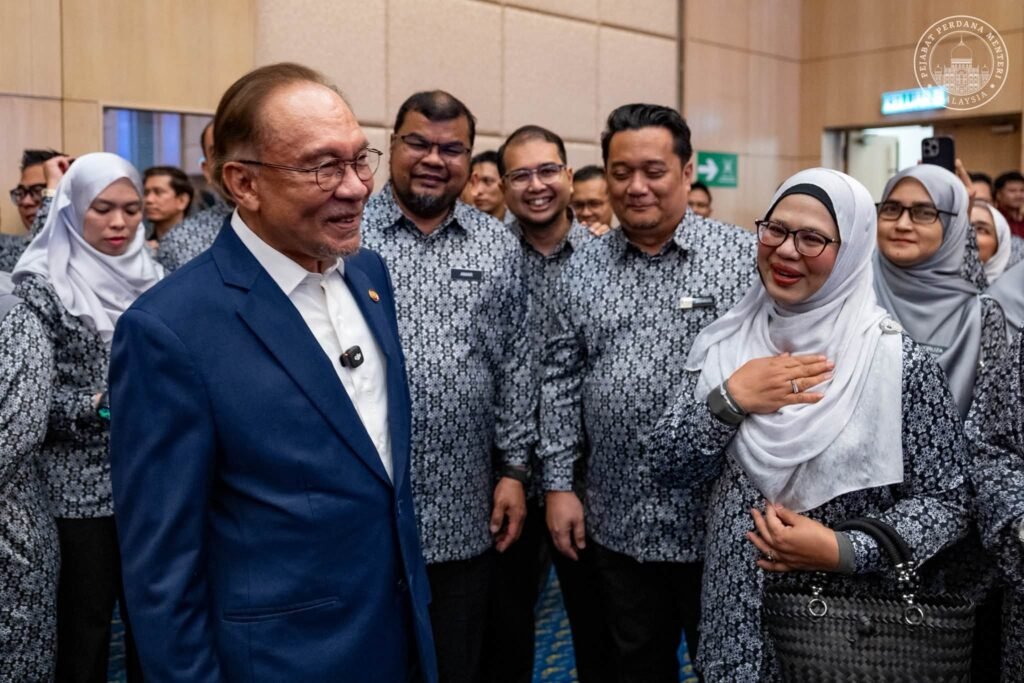
Prime minister Anwar Ibrahim after announcing budget for the following year. Source : anwaribrahimofficial
When questioned regarding the haze affecting the region, Malaysian prime minister Anwar Ibrahim insisted that he personally contacted Prabowo to take necessary steps to address problems. No formal condemnation of Indonesia’s negligence was published from Singapore either. So far, the Malaysian foreign minister assured that the haze issue will be brought up in the upcoming ASEAN summits. Unless regional neighbours take firmer actions such as suspending Indonesia from major ASEAN economic agreements, Indonesia’s action will not be accounted for.
Manh Chien Nguyen is a Mainland Southeast Asia columnist for Southeast Asia Analyst, based in Hanoi.