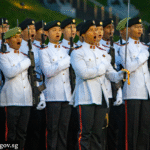
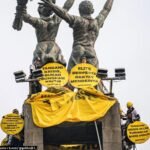
An honest reading of the successes and failures of these movements reveal our inability to learn from past mistakes and rethink our strategies, to the detriment of the state of extra-parliamentary opposition in Indonesia today.
Editor – Southeast Asia Analyst.
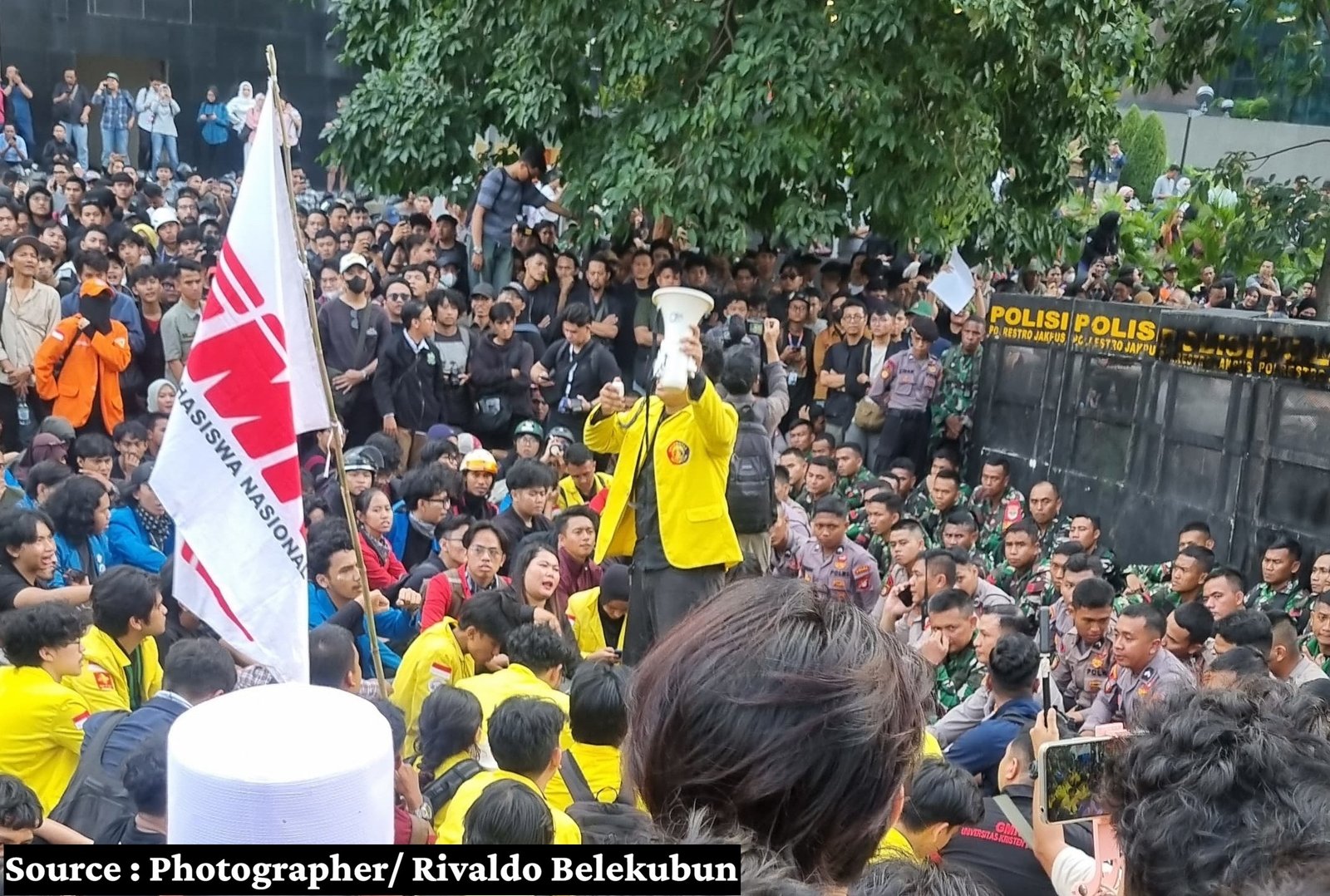
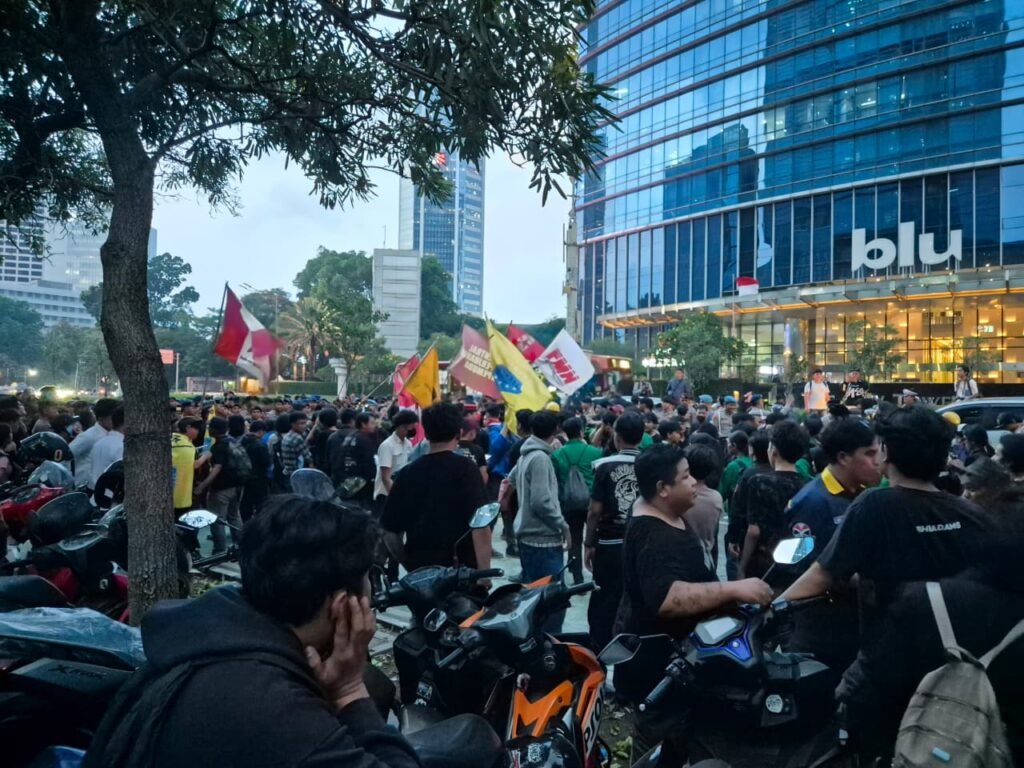
Into Prabowo’s second year into his presidency, students descended yet again onto the streets of Jakarta to, among other things, demand the stop of the Free Meals Program and the Red-and-White Village Cooperatives, an end to the militarization of civilian affairs and measures to curb rising costs of fuel and basic goods. Yet again, the students have aptly named their protest #MenujuIndonesiaBangkrut (Toward Indonesia’s Bankruptcy). While these protests and demands deserve our utmost solidarity, I cannot help but be reminded of the successive waves of mass demonstrations that have attempted to create opposition to various government policies since 2019.
The key word here is “attempt”, because an honest reading of the successes and failures of these movements reveal our inability to learn from past mistakes and rethink our strategies, to the detriment of the state of extra-parliamentary opposition in Indonesia today. While feminists, Indonesian housewives, and the queer community, led by the Indonesian Women’s Alliance, have staged demonstrations with largely similar demands, this article focuses on the tactics and rhetorical devices employed by students in this latest iteration of mass anti-government protests.
Protestors in Sudirman road, 15 June 2026. Source : Southeast Asia Analyst
The most obvious sticking point is their belief that “constructive dialogue” or mediasi dan diskusi with the powerholders are still legitimate means of voicing opposition to particular government policies. This belief bleeds into the ways students try to reason with the police, with backing support by the Indonesian military, on marching to Hotel Indonesia Roundabout, at one point coming to an agreement that both sides would sit down with civility. Peace, on the surface, looks good for the media, the rest of the Indonesians absent from these protests and the students’ moral standing. However, dialogue and civility effectively pacified the protests before they could actually take off.
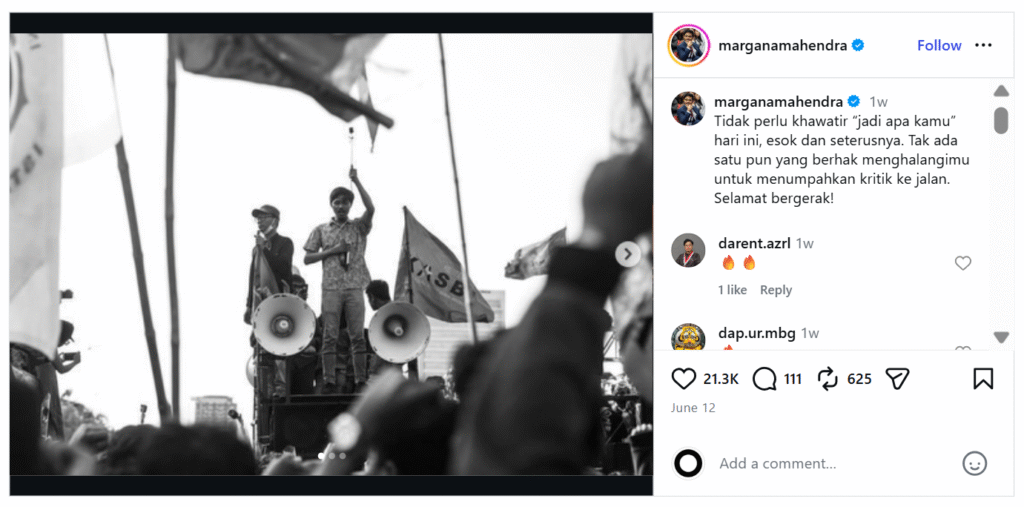
The worst manifestation of this issue is the meeting between representatives of the students from Bung Karno University and Vice-President Gibran Rakabuming Raka. There has been much criticism leveled against the chairperson of the Student Executive Board of the Law Faculty of Bung Karno University, Muhammad Abdi Maludin, and the student body’s choice of tactics. In short, this latest iteration of mass protests risk producing another Budiman Sudjatmiko or, to remind readers of the recent past, Manik Marganamahendra , who was president of the Student Executive Board in the Faculty of Public Health of Universitas Indonesia and later vice chairperson of the Central Leadership Council of Perindo Party of the media conglomerate and regime supporter, Hary Tanoesoedibjo. Three years ago, I stumbled into a random online Zoom debate between Manik and his critics, in which Manik made a case for his trajectory from student-activist to Perindo party member in hopes of enacting policy changes from within the system.
One of Manik Marganamahendra’s recent instagram post. Source : Instagram/ marganamahendra
In an ironic twist of fate, he reminded us of his time on the frontlines of the September 2019 protests against the defanging of the Corruption Eradication Commission and the reactionary revision to the colonial-era Criminal Code by mostly the same powerholders today’s students are up against. Almost before the groundwork for further organizing can be laid, there are already warning signs that certain individuals might misappropriate social movements for their own political ambitions.
But the broader issue at hand is the belief that the (Indonesian) state is a neutral political arbiter. Citizens can voice their demands and the powerholders can receive them and promise some sort of recourse, for all they care. Ultimately, powerholders will do and say anything in order to appease the masses without meaningfully altering the conditions that gave birth to the problems in the first place. Lenin dubbed this malaise, the belief in changing conditions for the working class within the structured confines of a given capitalist system, as trade-unionism. It is a trap we must avoid if we truly want to produce political change in our society.
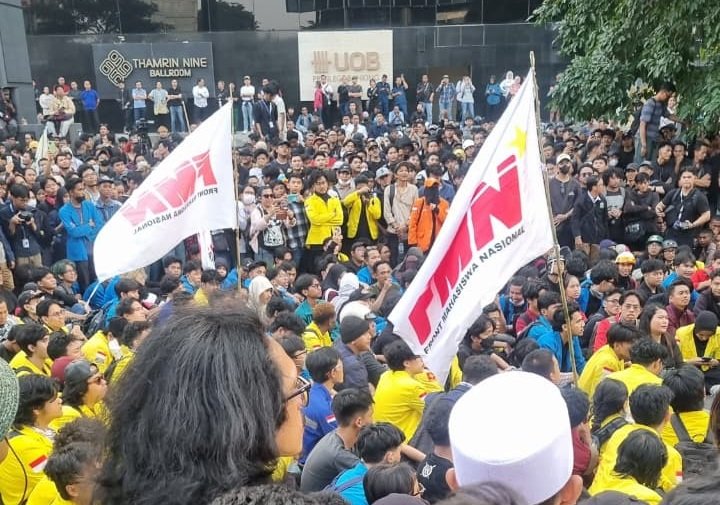
Student protestors in Sudirman road in 12 June 2026. Source : Photographer/
The second has to do with how students, like many before them, articulate their political demands as for the people and for the nation. Even the left-wing National Students’ Front is guilty of this kind of rhetoric. The use of rakyat (people) has historical reasons and can be interpreted by the Indonesian people as the source of political legitimacy against the very powerholders who derive political legitimacy from the rakyat. After decades of political indoctrination of the New Order, the term reemerged during the mass (student-led) demonstrations that engineered the political events which led to the replacement of Suharto with B. J. Habibie and held the remaining political and military elites within Golkar and the Indonesian armed forces largely intact. It became almost natural for us, as inheritors of the Indonesian National Revolution, to adopt and adapt rakyat in times of autocratization to mean the working class, the peasants, the subaltern or the underclasses vis-à-vis the elites.
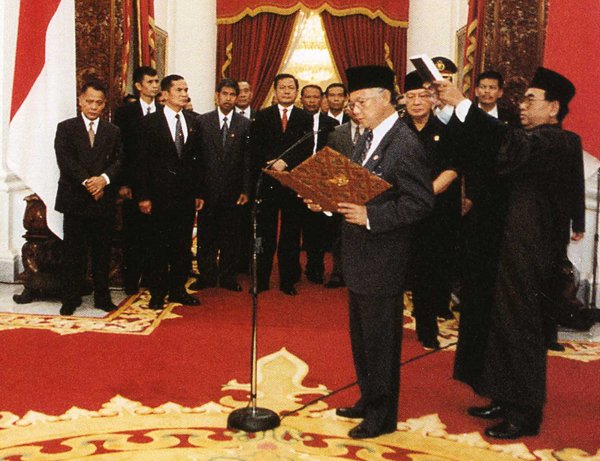
Vice President B.J. Habibie being sworn in as President in 1998. Source : Wikimedia Commons
The problem with rakyat and drawing on language colored by Indonesian nationalism reminiscent of the anti-colonial struggle led by the urban, capitalist intellectuals is that the current regime can easily challenge us on our terrain on who gets to define who is part of the rakyat and who is doing what in the name of bangsa (Nation) Indonesia. The current regime gets to form narratives that the Free Meals Program, the Red-and-White Village Cooperatives and the militarization of civilian spheres are what the rakyat, as the source of political legitimacy, agreed to when most of us nailed the ballots overwhelmingly in favor of the current administration and these measures, so they might argue, are destined to improve the lives of the rakyat in the long-term. Furthermore, the regime gets to claim that the powerholders and their supporters are the ones truly defending the nation’s sovereignty, while we are on the receiving end of a Hungarian-American, Jewish billionaire and destabilizing the nation(’s future) through color revolutions.
This article implores readers to keep these things in mind: a guaranteed room to discuss, mediate and dialog does mean we get to set the agenda and influence the course of political change. Time and time again, subsequent repetitions of advancing our demands and reasoning with powerholders and their well-armed state apparatuses have brought us nowhere closer to achieving a single demand set by social movements. We need to ask ourselves if it is still possible to produce political change within the strict limits imposed by the regime and be open to other means to get our recourse. More importantly, we need to break with the past, specifically the romanticized notions of how reformation came to be.
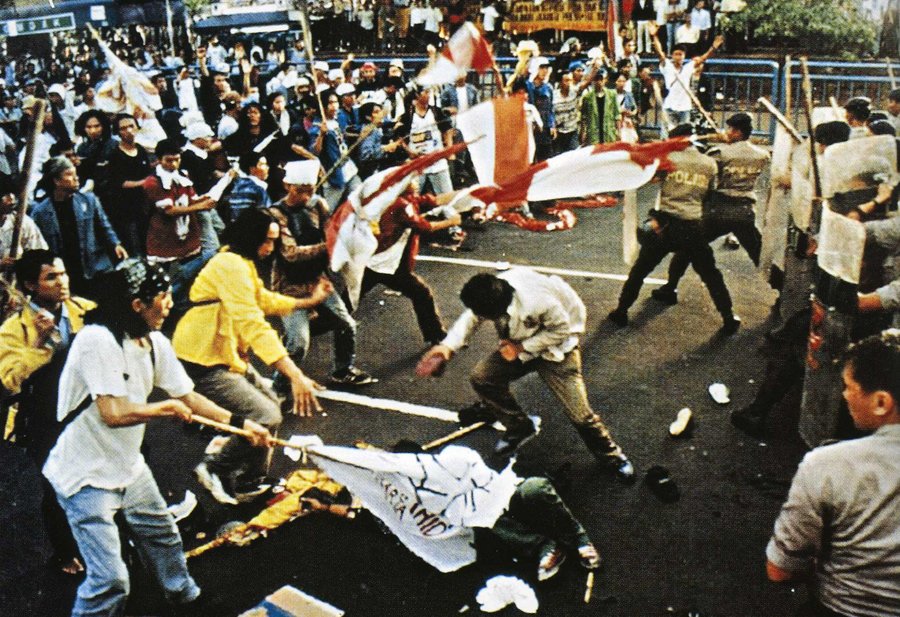
Student protestors clash with police in 1998. Source : Wikimedia Commons
We also need to shift our language and understanding of ourselves from those of the rakyat and bangsa Indonesia, which we all and, arguably, our adversaries and the regime supporters are a part of, to those who do not own the means of production or those who depend on wages for survival. Kelas Pekerja (working class) is thus a more fitting term to divide the us from them. Lastly, protests are great vehicles to make the problems besetting the working class visible and to encourage bystanders to organize and fight for a better society together, but it cannot stop there. Organizing must begin in the RT/RW (neighborhood), the kelurahan (subdistrict) and the camat (district), open to all sectors of society and allow the working class outside the realm of academia to meaningfully lead the charge and formulate our shared goals and strategies.
I support the student protests of June 12 2026 and reiterate how crucial that the demands articulated by these movements be met, but I encourage all of us to reflect and reread Indonesian political history since the mass protests that produced cosmetic changes to the political regime while those who controlled the formal and informal institutions assigning political power in Indonesia remain untouched.
Ryan Sachio Tan is a soon to be fresh graduate of political science and German linguisitics. His interests are Indonesia, Chinese-Indonesian and Thailand.