“The goal of work in the next four years is not the publication of achievements but success in proving to people that their lives will be noticeably better,” Chadchart said.
Editor – Southeast Asia Analyst.
Awaiting the official counts, Chadchart Sittipunt secured a second term as Bangkok’s governor on 28th June. Taking the cake from all 50 districts in Bangkok, the civil engineer turned politician won 68% of the valid votes according to National Institute of Development Administration (NIDA), cruising past his opponents as he did during his first campaign.
“The goal of work in the next four years is not the publication of achievements but success in proving to people that their lives will be noticeably better,” Chadchart said. He added that he was glad but not excited because he knew tough tasks awaited him and he would have to outperform his past work.
Independent runner up Mallika thanked her voters but accepted defeat as she congratulated Chadchart. Chaiwat from the opposition People’s party and the party cadres followed suit in sharing well wishes. Anucha, a candidate from Democrat party did the same but added that he will keep watch the Bangkok Metropolitan Administration’s (BMA) to protect public interest.
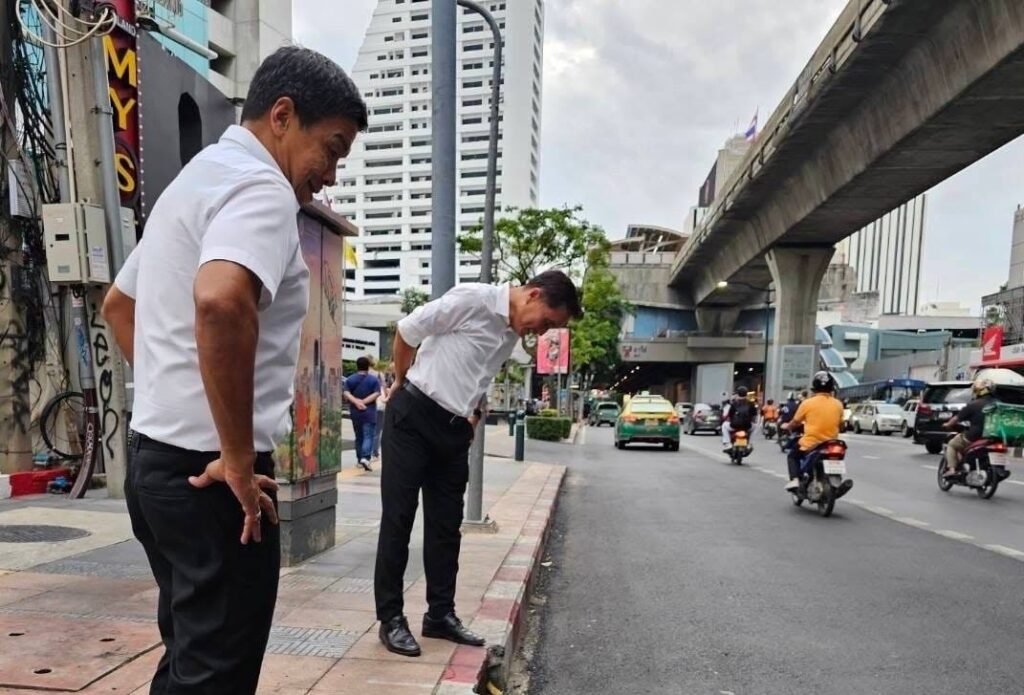
The decisive victory Chadchart won is owed to his campaign which leaned into his incumbency where he reportedly proved himself a capable governor that solved problems around the city through the aid of his close advisors with academic and technocratic backgrounds. Notable achievements range from making the city government more efficient, transparency and improving walkability infrastructure. A signature project was the Traffy Fondue complaint platform, which has received 1.3 million reports via open sources. and successfully resolved approximately one million of them.
This time around however, Chadchart added pledges to transform Bangkok into a regional economic hub which will attract talented people.
Forums online praised his performance centered around infrastructure management which reduced flooding and traffic congestions. However there were also accusations of the governor receiving credit for improvements made in the city before he took office.
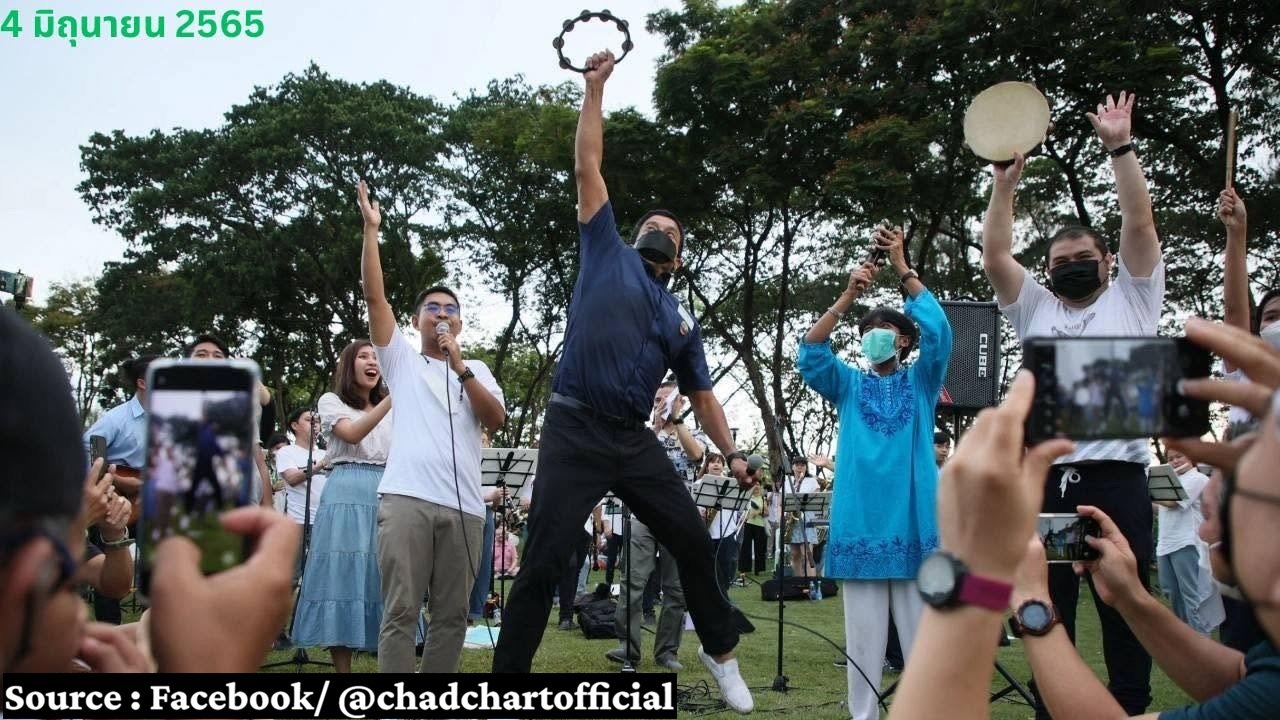
Chadchart’s reputation is another factor. His public image as a down to earth character who cycles and jogs around Bangkok, earned him popularity and support among young voters, with internet memes showing off his broad frame and theme as “strongest man on earth” being shared regularly.
Chadchart Sittipunt goes on a jog on January 2022. Source : Facebook/ @chadchartoffical
Despite enjoying popular support, he was not immune to controversies either. Chadchart was questioned on the alleged corruption involved in the BMA in fitness equipment which led to 32 officials facing punishments. Additionally, his experimental bicycle lanes that caused major traffic were scrutinized and criticized as weakness in policy implementation.
Having started his political career in the transport ministry in 2012, he brushed shoulders with other public figures, although maintaining an independent candidacy where he steered clear of ideological and party affiliation and focused mainly on pragmatic business friendly and efficiency focused goals. An advantageous point considering Bangkok’s evolving political environment.
The Bangkok governor and city council members are directly elected and are given more autonomy when compared to other Thai cities. This created a fast changing political environment. However, Chadchart’s victory in the previous term in 2022 signaled a shift. Voters in Bangkok support ideological change at the national level but prioritize good governance at a local level.
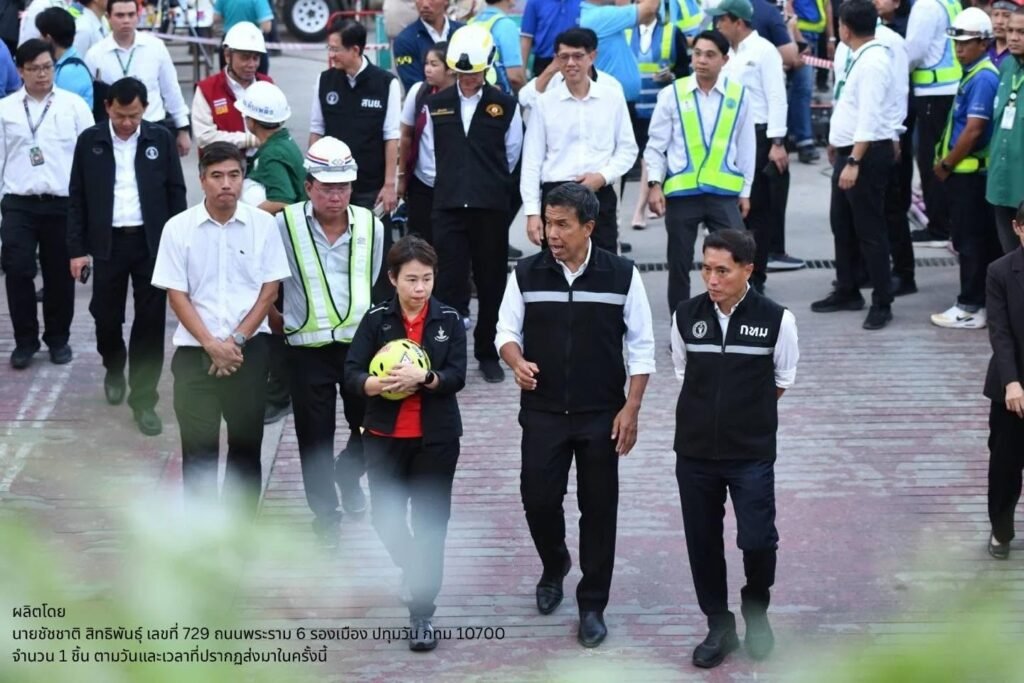
Chadchart Sittipunt during campaign in Bangkok, Rong Mueang. Source : Facebook/ @chadchartoffical
Another poll conducted before the King Prajadhipok Institute revealed that voters prioritized city council members to be well versed on the city’s issues, problem solving skills and integrity as opposed to affiliation with a trustworthy political party. Chulalongkorn University professor Pitch Pongsawat defines this era as the “depoliticisation” where public officials are judged based on managerial position as opposed to political one.
Only time and campaign financiers will reveal as to whether or not Chadchart will fulfill his campaign promises. Beyond Bangkok however, there will be greater implications at the national level. If Bangkok voters consistently prioritize good governance over ideological affiliations and results from the votes are visible, the trend could spill over to other Thai cities. Political parties on the other hand could push back through pork barrel tactics or increasing the barrier to enter into politics.
Charismatic politicians with down to earth persona winning public office in Southeast Asia through simply “getting things done” is nothing new, but it is rare and declining. This makes Chadchart an anomaly. Even if he keeps up with his performance as governor and his achievements are publicized throughout the region, the prevalence of money and identity politics throughout most of Southeast Asia is too high to see technocrats in positions of power anytime soon.
Manh Chien Nguyen is a Mainland Southeast Asia columnist for Southeast Asia Analyst, based in Hanoi.