Soon this plan for growth turned into an obsession with the president who is also the secretary general of the CPV brought up the plan in nearly all meetings and directed nearly all instruments of governance to growth.
Editor – Southeast Asia Analyst.
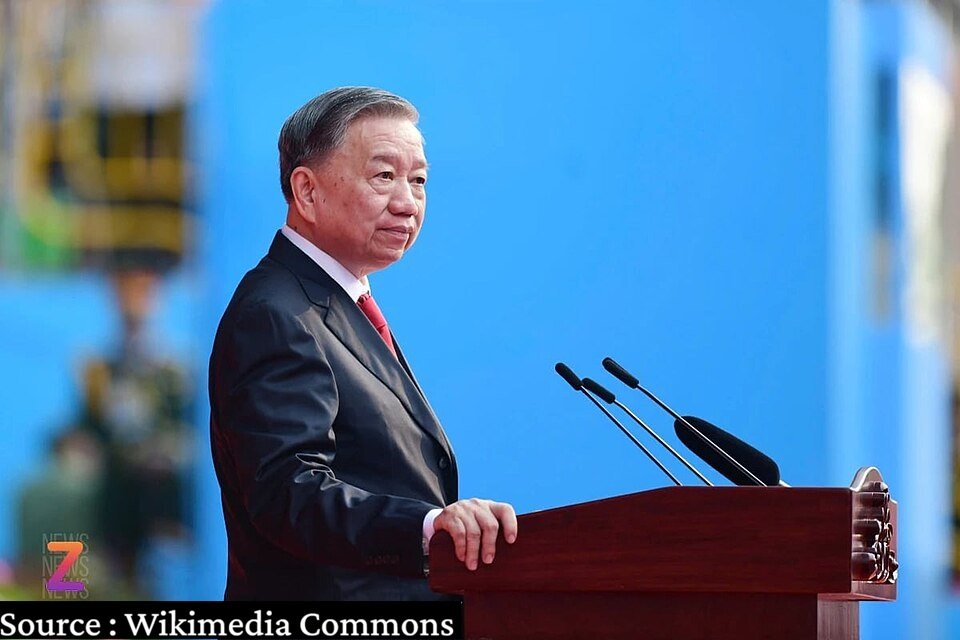
Growth was the name of the game as soon as the 69 year old politician To Lam was named state president of Vietnam. In his presidential inauguration speech into his second term in April 2026, To Lam he highly emphasized modernizing and developing a strong, sustainable and self-reliant economy that involves the entire party, entire people and entire army. He also promised an ambitious double digit percentage of economic growth by 2030, a claim he first made as secretary general of communist party of Vietnam (CPV) in January 2026.
Besides this, focus was placed on quadrupling the science and technology budget and setting the target to earn $100bn a year from semiconductors by 2050.
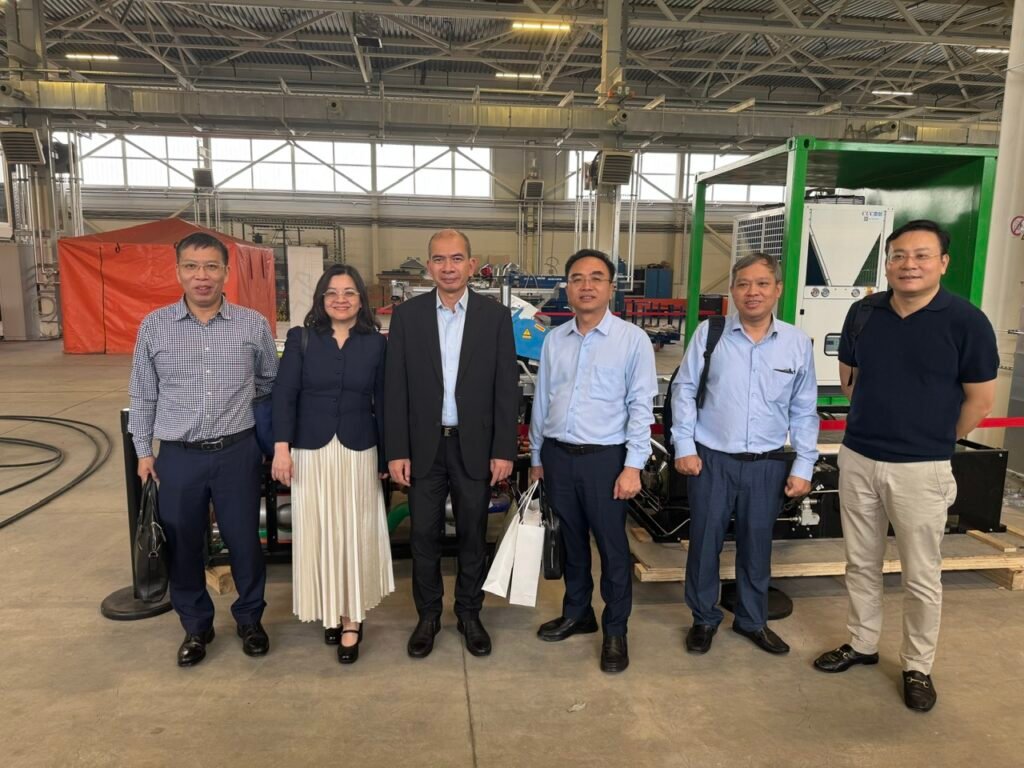
Vietnam Academy of Science and Technology visits Russia. Source : vast.gov.vn
Soon this plan for growth turned into an obsession with the president who is also the secretary general of the CPV brought up the plan in nearly all meetings and directed nearly all instruments of governance to growth.
Lam’s primary approach was by removing bureaucratic red tapes and other redundancies with the most aggressive implementations taking place from January to April in 2026. 30 ministries were reduced to 22, provincial and municipal administrations merged from 63 down to 34 and 150 000 civil servants were retired or laid off to remove unnecessary approval layers. Some praised his decision as moving towards efficiency, critics saw this as a tactic to consolidate power.
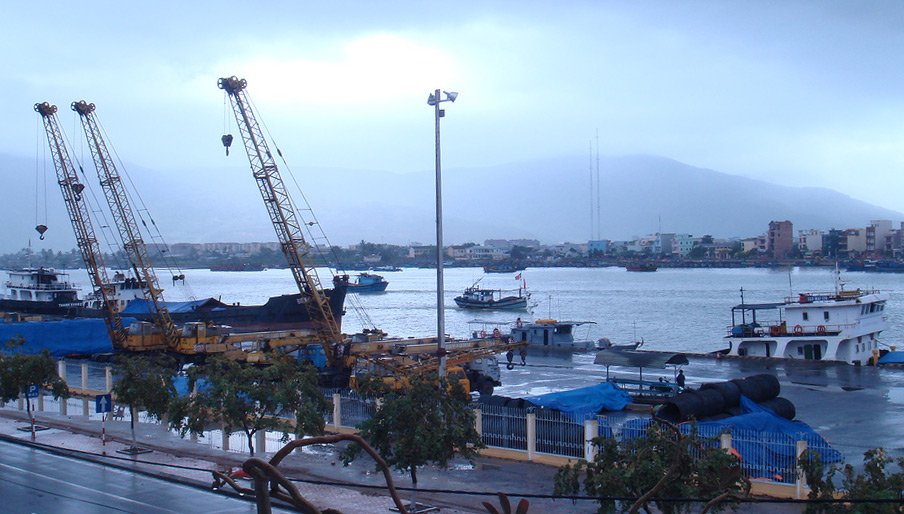
Da Nang Port. Source : Wikimedia Commons
Claiming that Vietnam’s marine economy is central to safeguarding national defence and strengthening strategic autonomy, the “top leader” is also attempting to tap into the maritime industry, particularly in ship building and port logistics. He emphasized that within the industry the state should play a facilitating role rather than handing out subsidies or taking over the role of businesses, where in turn business will ensure innovation and competition among themselves. In the short term, ship repair, green upgrading, maintenance and lifecycle services should be prioritised to maximise existing capacity.
Advancing human capital both in terms of culture and technology is another one of Lam’s targets. Claiming that culture is the spiritual foundation of society, he called for its development into both physical and digital spaces, while building independent capabilities in Vietnamese cultural data, digital platforms, content and improving on institutional framework to unlock creativity across society.
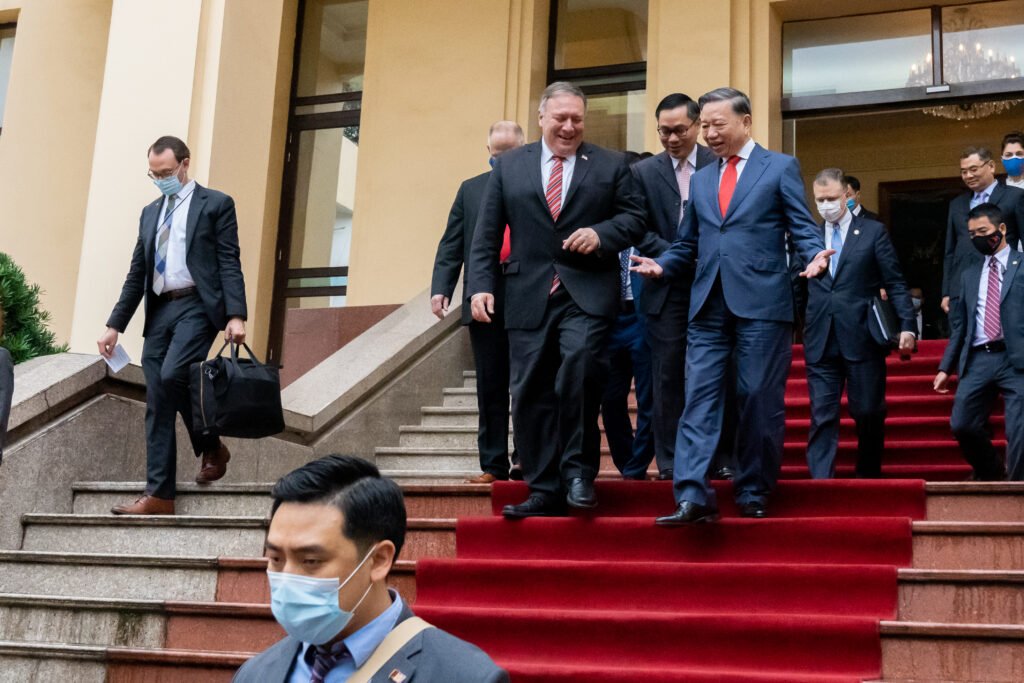
To Lam as Public Security Minister in 2016 with US State Secretary Mike Pompeo
Tending to these issues are nothing out of the ordinary for a Southeast Asian head of state, what differentiates Lam is the amount of issues he’s tending to in such a short period of time. Lam first rose to prominence in 2016 when he was appointed as Minister of Public Security, where he oversaw social order, counterintelligence, and investigations. Using his access to intelligence To Lam later spearheaded the “blazing furnace” campaign as secretary general of the CPV that rooted alleged corruptors along with political rivals in the country. A controversial decision that frightened investors.
Using his background and access to extraordinary privileges to his advantage he remains hellbent on achieving his lofty economic goals, arguing that Vietnam can no longer rely on land and cheap labour for development. So far it seems to be working.
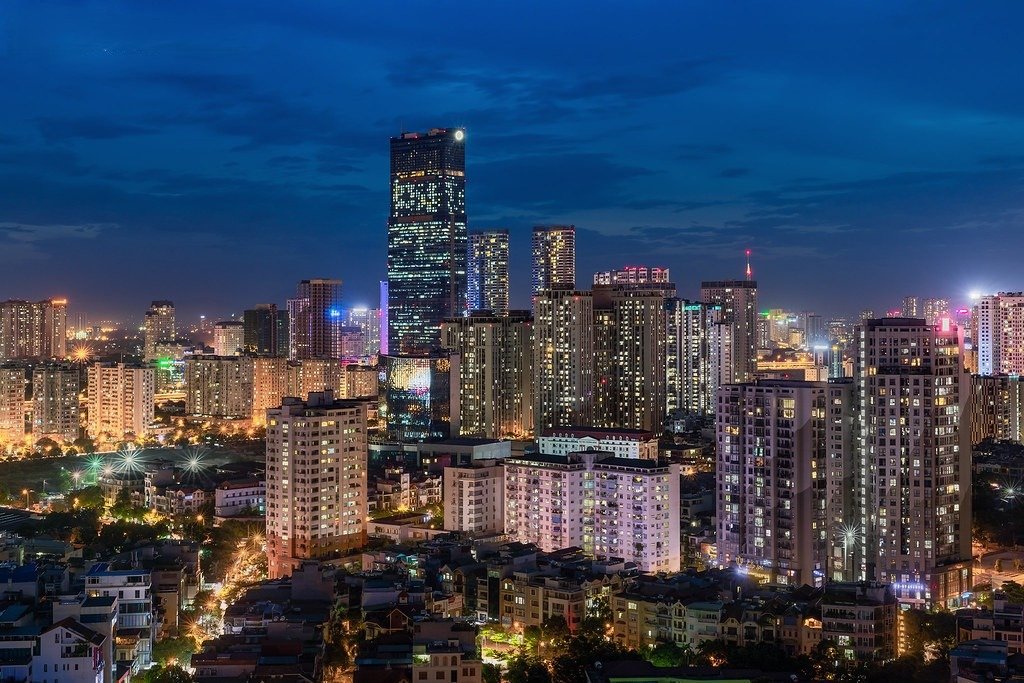
Hanoi Skyline. Source : Wikimedia Commons
Despite being hit hard by Iran – US war, Vietnam experienced 7.83% growth in GDP during 2026’s first quarter and 8.39% in its second quarter. The world bank bumped it up to an upper middle income country, a status enjoyed by only itself and Thailand among Mainland Southeast Asian countries.
All of this however comes at a cost. Analysts warn of “overheating” the economy through radical changes made throughout the country along with losing checks and balances due to the shift from Vietnam’s traditional collective leadership to authority being concentrated to only Lam himself. Additionally, His plan to groom “National Champions,” a small group of private enterprises to push Vietnam’s growth and compete internationally could also result in creating economic inequalities within the country much like in South Korea.
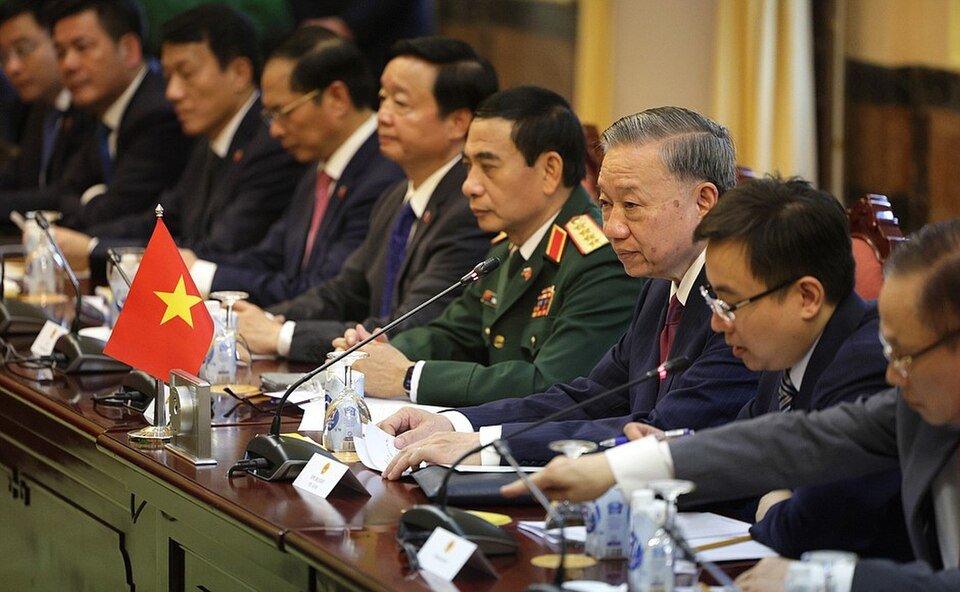
To Lam meeting Russian delegation. Source : Wikimedia Commons
Lam is not free from controversies either. Vietnamese online still refer to him as “Mr. Steak” an insult given to him for dining at a luxury restaurant in 2021 as minister. As secretary general of the CPV, his crackdown on sidewalk vendors in major cities created outrage among the public.
Nothing is for certain regarding what the future holds for Vietnam, while it did push through global shocks in oil prices and Trump’s tariffs, the worst might be yet to come. While the numbers in terms of growth rates speak for themselves, his other agendas in improving human capital, yielding creativity from the people and other policy implementations still needs time before being judged. Lam realizing that the country can no longer grow by becoming a factory for the rest of the world is a good start, however he also needs to learn from the mistakes from the countries whose success they are trying to replicate.
Han Kyeol Kim is an editor in Southeast Asia Analyst.