The Seoul note to Secretary Teodoro fits this pattern well. It was not an invitation to dialogue, it was an assertion delivered without consent, on someone else’s platform, during someone else’s remarks.
Editor – Southeast Asia Analyst
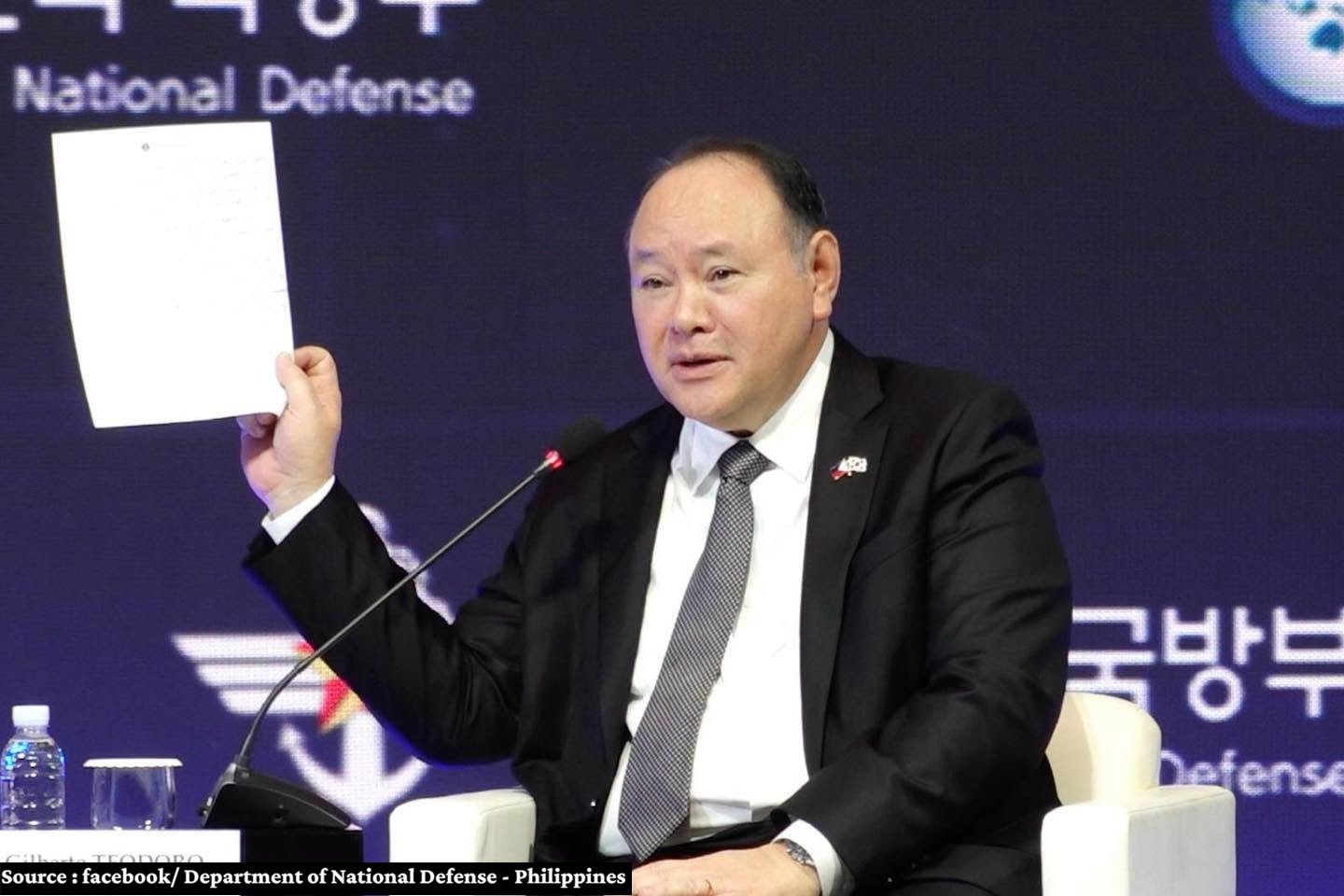
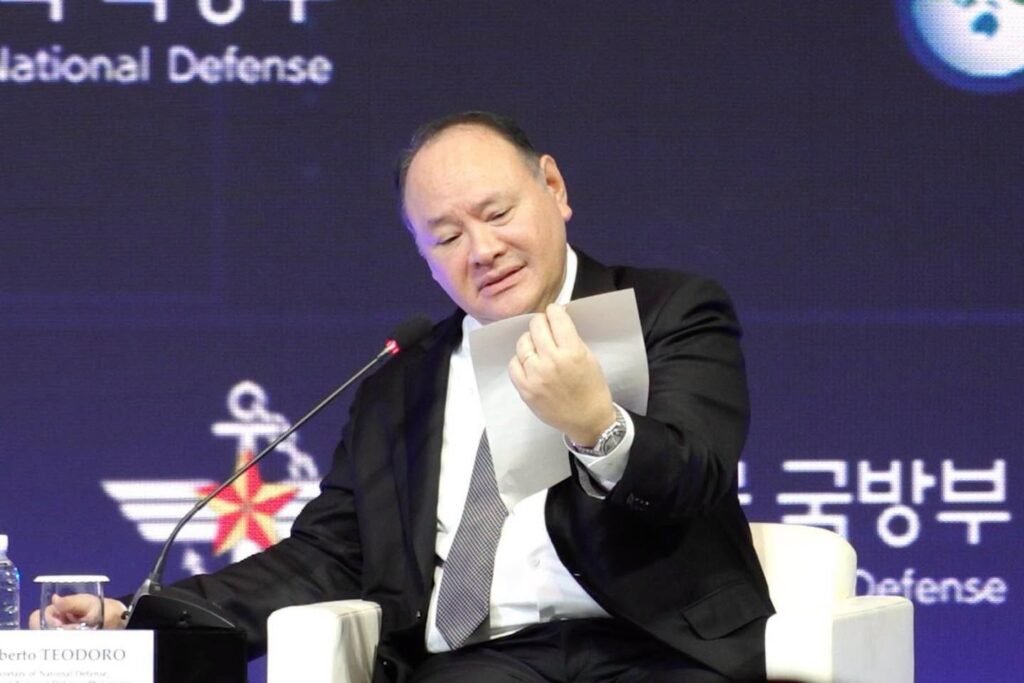
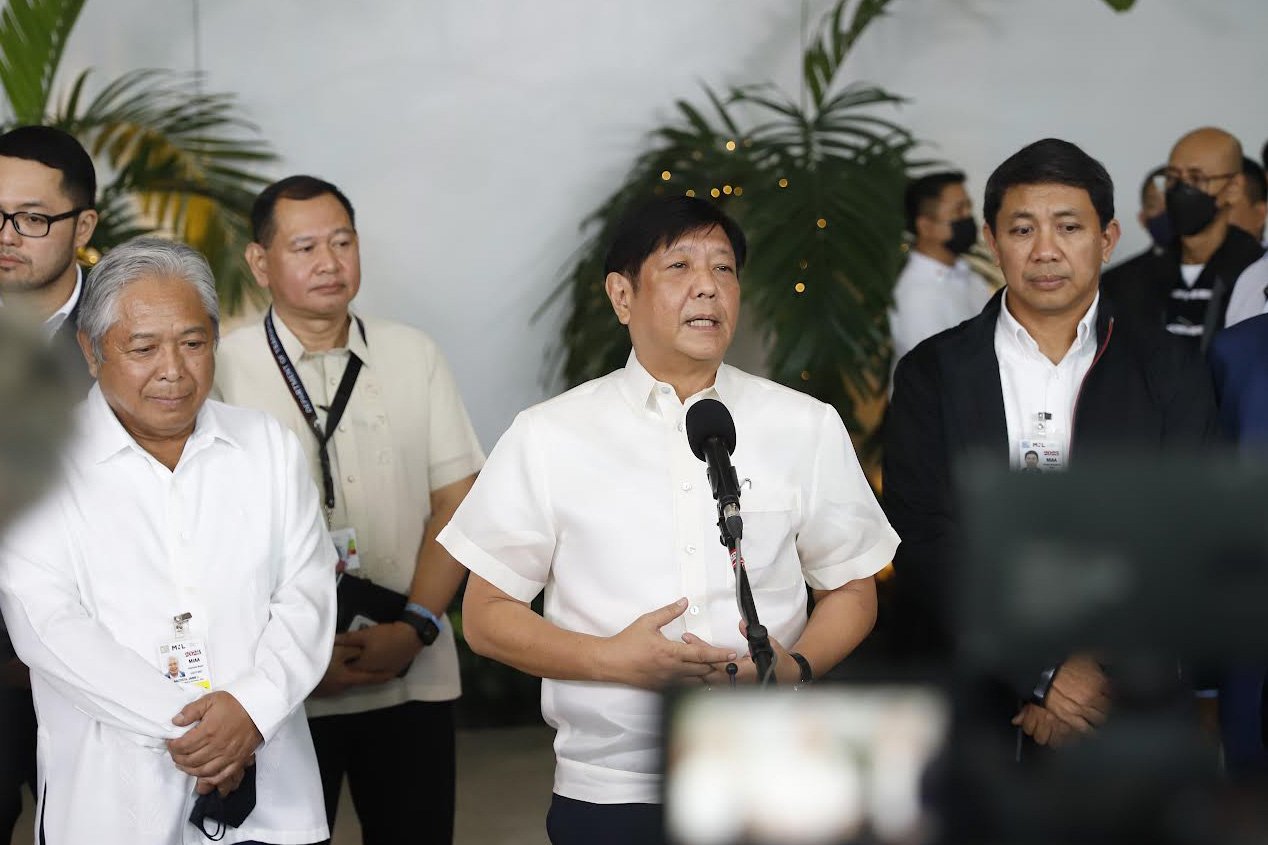
When a Chinese military attaché in Seoul slipped a note into the Philippine Defense Secretary Gilberto Teodoro Jr’s hands mid sentence at the Seoul Defense Dialogue on September 8, 2026, the gesture was read by most observers as a diplomatic blunder. A staffer had mistaken the note, meant to reassert Beijing’s rejection of the 2016 Permanent Court of Arbitration ruling, for a message from Teodoro’s own delegation, and delivered it to him live on stage. Teodoro confronted the Chinese delegates over the note and reminded them to practice basic decency during the high level security forum.
He framed the note as proof of Chinese arrogance and told the audience that Manila would not be intimidated by back channel provocations. What looked like an accident of protocol deserves closer reading, because it captures something larger than a single undiplomatic afternoon. It shows how the South China Sea dispute is drifting away from the register of hard power confrontation, missile deployments, coast guard ramming, and naval patrols, into a register of symbolic contest, where the currency being spent is legitimacy, dignity, and cultural standing rather than tonnage or firepower.
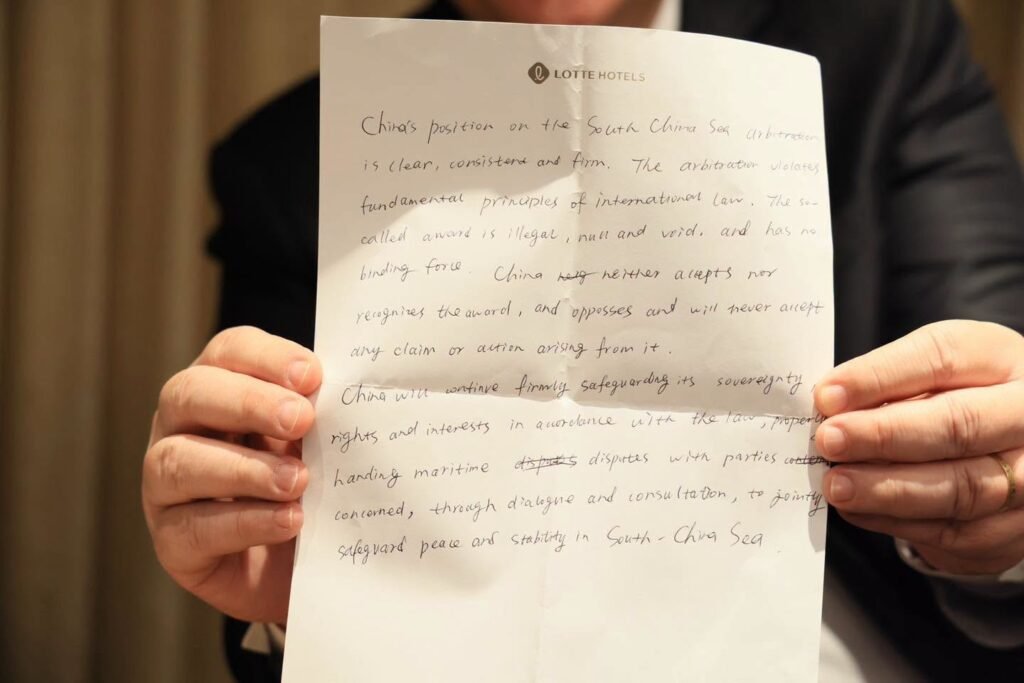
Note from China’s delegation that was delivered to Secretary Teodoro. Source : facebook/ Department of National Defense – Philippines.
This drift did not begin in Seoul. It has been building for years through a steady accumulation of cultural claims and soft power gestures that China has directed at Southeast Asia, the Philippines included. Confucius Institutes, Belt and Road cultural diplomacy, scholarship programs, tourism promotion, and coordinated media narratives about a shared Asian civilization targeted to Southeast Asia worked alongside coast guard assertiveness rather than against it. The China Belt and Road Initiative Investment Report 2025 recorded construction contracts worth 128.4 billion dollars and investments of roughly 85.2 billion dollars in a single year, and the Global Soft Power Index 2026 published by Brand Finance found China to be the only nation among the top ten whose soft power score rose that year.
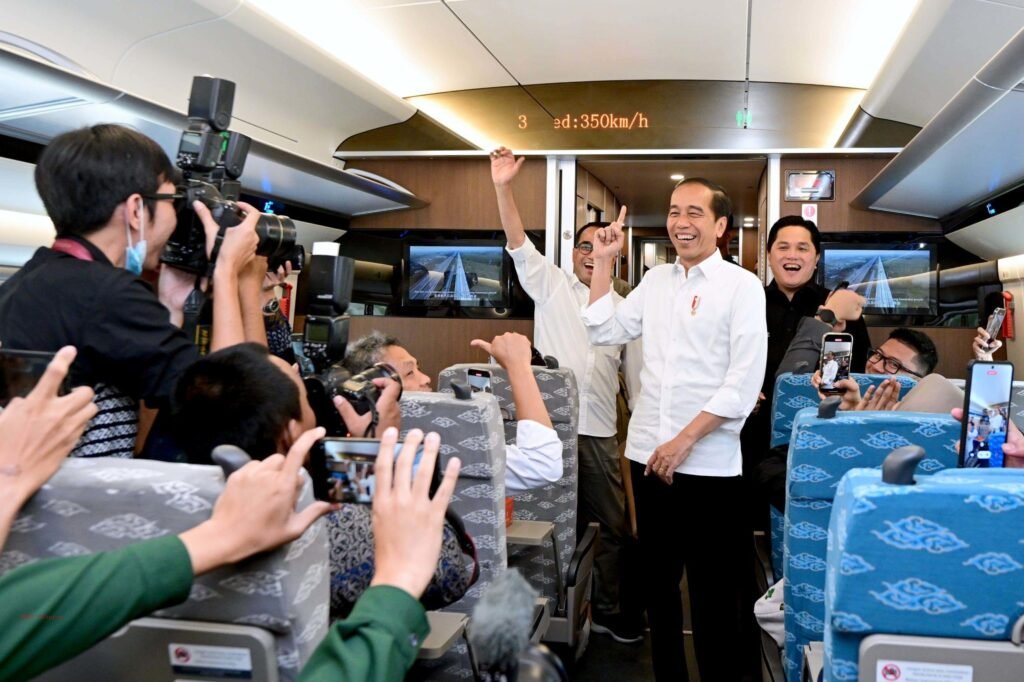
Then Indonesian president Joko Widodo poses inside a China funded highspeed train. Source : BPMI setpress
Numbers like these matter because they show that Beijing has learned to braid its territorial project into a broader narrative of reliability and civilizational belonging, one that is meant to make the nine dash line feel less like an act of expansion and more like a return to a natural order that Southeast Asia should recognize and accept.
The scholar Joseph Nye, who coined the term soft power in 1990, described it as the ability to get others to want what you want through attraction rather than coercion. What is happening in the South China Sea complicates that neat definition, because Beijing’s cultural outreach does not always attract, it often intrudes, and intrusion dressed as culture is closer to what Christopher Walker and Jessica Ludwig, writing for the National Endowment for Democracy in 2017, called sharp power, a form of influence that pierces and manipulates rather than persuades. The Seoul note to Secretary Teodoro fits this pattern well. It was not an invitation to dialogue, it was an assertion delivered without consent, on someone else’s platform, during someone else’s remarks, and its content declared the arbitration ruling illegal, null, and void. That is not persuasion by attraction, it is persuasion by imposition, and it is exactly the kind of behavior that erodes the very goodwill that soft power depends on.
Defense Secretary Teodoro reacts to the note. Source : facebook/ Department of National Defense – Philippines.
The regional data suggest this contradiction is already visible to the public that Beijing is trying to win over. The State of Southeast Asia 2025 Survey Report found that ASEAN confidence in China rose from 24.8 percent in 2024 to 36.6 percent in 2025, an increase of 11.8 percentage points, while trust in the United States climbed from 42.4 percent to 47.2 percent over the same period. Among the ten ASEAN states, the Philippines registered one of the highest levels of confidence in the United States at 66.5 percent. A figure that makes sense once the coast guard standoffs, the diplomatic note, and years of sanctions and rhetoric are placed side by side. At the elite level the picture is more contested.
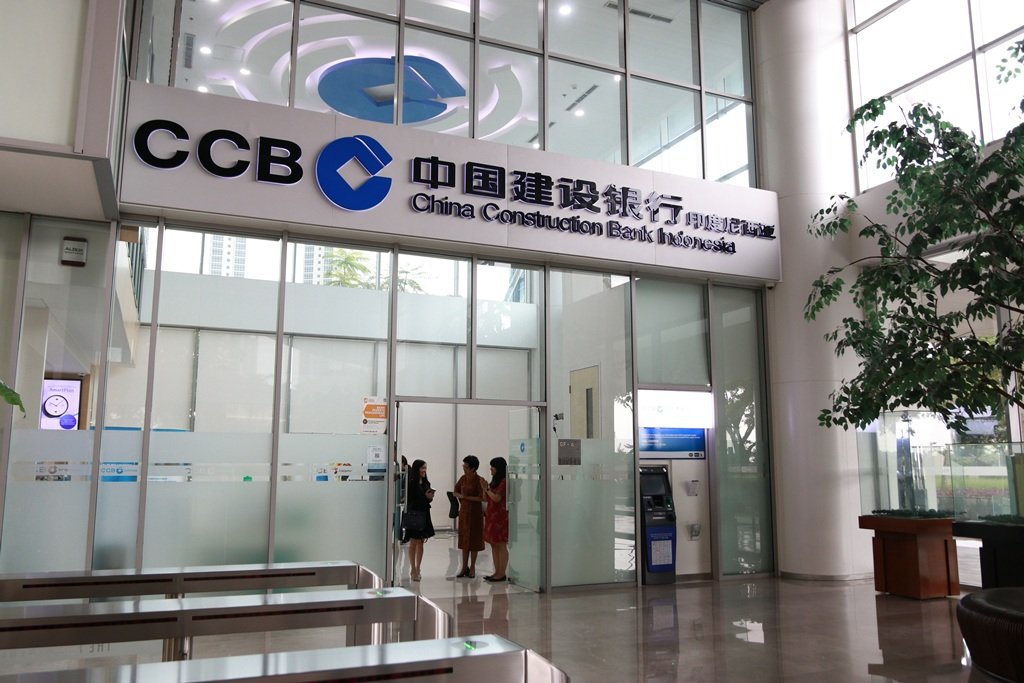
State owned China Construction Bank in Indonesia. Source : bankccbi.co.id
A survey of ASEAN political and business elites conducted by the ISEAS Studies Centre found that 50.5 percent would choose China over the United States if forced to pick, against 49.5 percent who would choose the United States, the first time Beijing has edged ahead in that particular measure. Meanwhile globally, Pew Research found that China’s median approval crossed the United States for the first time in nearly two decades, though the shift reflects the decline of American soft power more than any sudden surge of admiration for Beijing. Southeast Asia, and the Philippines especially, remains the exception to that global trend, precisely because the cultural charm offensive collides there with lived experience of coercion at sea.
This is the paradox worth naming. Soft power, as Nye imagined it, is supposed to soften relationships, lower the cost of cooperation, and reduce the need for hard power tools. What the Seoul incident and its surrounding context reveal is closer to the opposite process, a hardening of soft power itself. Cultural diplomacy, historical narrative, and public messaging are being deployed not to reduce friction but to relitigate a legal and territorial dispute on a friendlier battlefield, one where Beijing can claim civilizational continuity and portray Manila’s insistence on the 2016 ruling as foreign imposed legalism rather than an accepted international norm. Teodoro himself has described China’s claims as the biggest fiction and lie that no Southeast Asian country would accept, language that shows the fight has already migrated into the register of narrative and memory as much as maps and buoys.
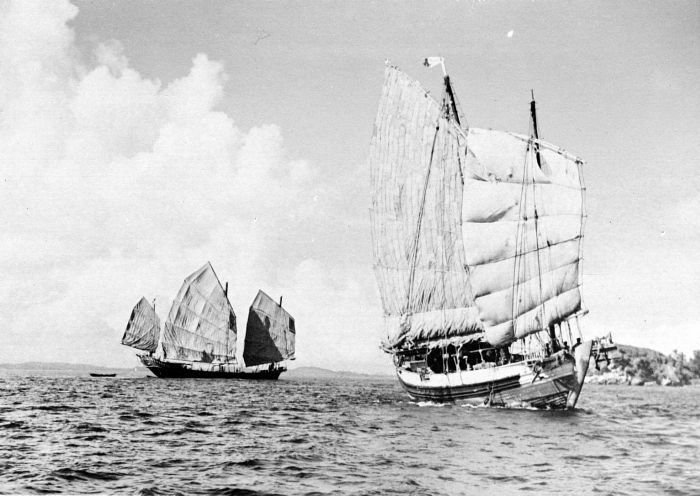
Chinese Junk ship passing through Dutch East Indies. Source : Wikipedia
For a middle power like the Philippines, and observers across the region including Indonesia, the lesson is that cultural war is not a softer alternative to hard power war, it is an extension of it by other means. Winning that contest will require more than naval modernization or arbitration victories already on paper. It will require sustained public diplomacy, historical literacy, and a willingness to contest narratives as carefully as Beijing constructs them, because in this phase of the dispute the note left on a table in Seoul may prove just as consequential as any vessel maneuvering near Scarborough Shoal.
Darynaufal Mulyaman is an assistant professor of international relations at Universitas Kristen Indonesia