With Indian and Chinese Malaysians making up a considerable voter pool in Negeri Sembilan, parties and politicians alike could continue exhausting every possible strategy beyond policy and economics.
Editor – Southeast Asia Analyst.
Malaysian Prime Minister Anwar Ibrahim’s coalition suffered a major defeat in the Johor state legislative assembly with the right wing Barisan Nasional, (National Front) a bloc of ethnic based parties winning 48 out of 56 seats in the assembly on 11th July. With less than a week away from the Negeri Sembilan state legislative assembly election politicians from all sides are tapping into race based pandering and decision making in an effort to win votes.
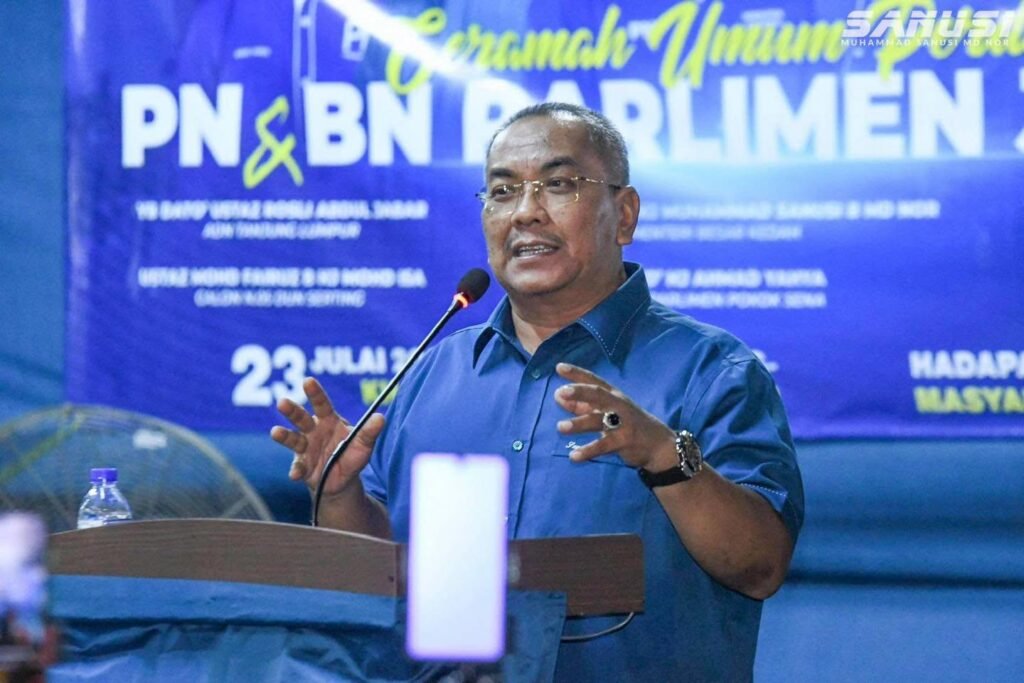
One such is Nor Sanusi, conservative politician from the opposing Perikatan Nasional bloc who claimed “Indians have India, Chineses have China but Malays only have Melayu land.” This claim within Sanusi’s speech in Negeri Sembilan’s Jempol district sparked controversy within the public and opposing politicians
Sanusi giving a speech in PN and BN coalition rally. Source : Facebook/ Muhammad Sanusi Md Nor
Outraged by Sanusi, Member of Parliament Chong Zhemin from the left leaning Democratic Action Party called Sanusi to retract his remarks and apologise. “He (Sanusi) is leading Malaysia’s politics in a very dangerous direction by dividing the people into groups that supposedly only have one country and groups that are considered to have another homeland.” Chong posted on his Facebook page.
Days later Sanusi defended his claim by saying that he was only referring to the historical roots of British records which stated that Malaya lands were the Malays’ traditional homes and Chinese and Indians were migrants who stayed at the invitation of Malays.
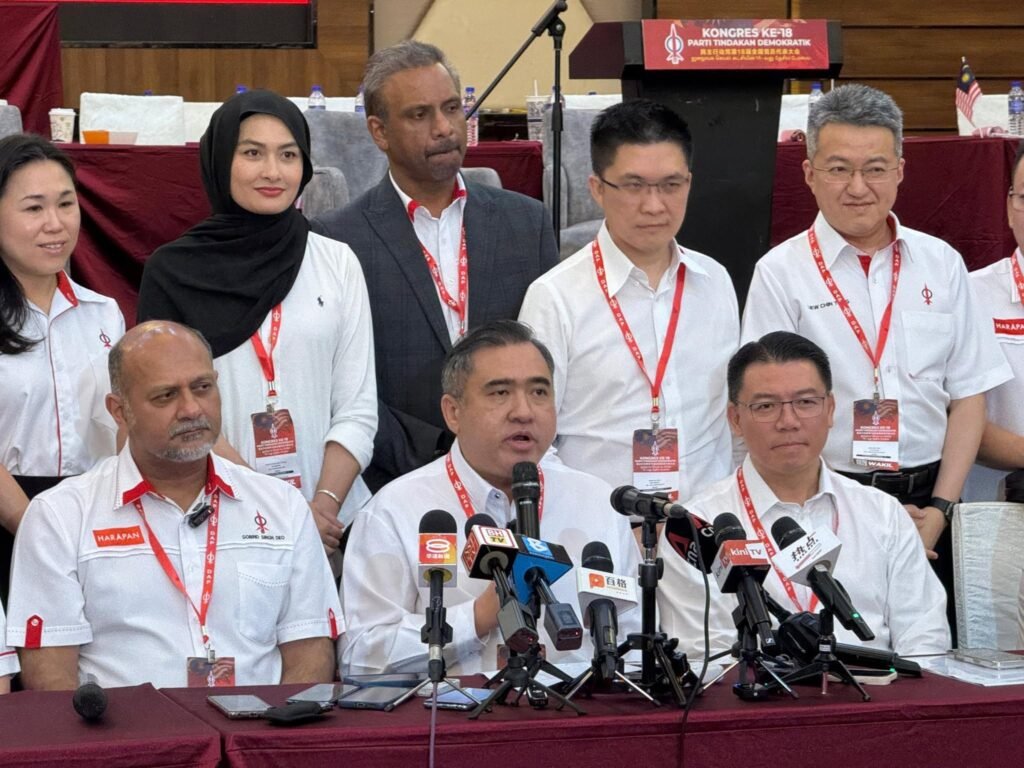
Political parties as well are forced to strategize based on race based line of thinking. With the Democratic Action Party pressured by poor performances in elections, it finds itself at a crossroads on whether to retain its non-malay support base or appeal to the wider public. The DAP bears a reputation as a traditional Chinese majority party.
Democratic Action Party in 2025. Source : Facebook/ Democratic Action Party
Amidst the discussions surrounding the DAP’s fate, Former DAP veteran P Ramasamy says the party is unlikely to renew itself as a truly multiracial political party, due to the enduring influence of race and religion in Malaysian politics. The current URIMAI party chairman further argued that the Malays and the Indians in the DAP have no real power and are mere window dressing to round DAP’s image as a Chinese party.
The Prime Minister himself who frequently emphasizes racial harmony and firmly opposes identity politics also resorted to race based rhetorics. During a speech where he rejected claims that his administration neglected the indigenous Malaysian’s interest by pointing out the new Malay reserve land in Kuala Lumpur as proof of his government’s commitment.
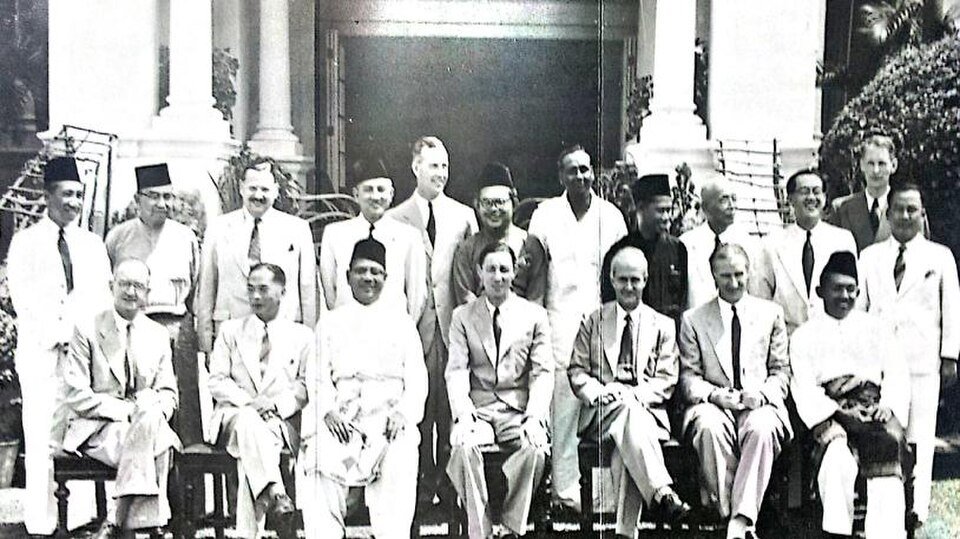
Certain articles within the Malaysian constitution grant safeguards to Malays’ positions in public service, scholarships and higher education through quotas. This along with early post colonial social contract between elites of different racial groups in the country that recognized the Malays’ prominence in politics is pointed as arguments for “Malay supremacy” within the constitutional monarchy.
Malaya cabinent in 1955. Source : Wikimedia Commons
The concept of Malay supremacy coupled with non indigenous Malays on average performing better economically creates opportunities for Malay politicians to present themselves as champions or protectors of Malays’ rightful position against non indigenous interest, resulting in race based politics. Despite various administration’s attempts to create a truly cohesive multiracial Malaysian society, their efforts proved inadequate.
The public at large remains divided on the concept of Malay supremacy. Some support the status quo claiming that Malays are entitled to land reserves while others argue against it stating that the “Malay” concept itself is a social construct that can be easily diluted when heavily scrutinized. Many argue as far as to say that Malay Supremacy does more harm than good to the Malay community as entitlement creates complacency thus reduces competitiveness among the Malay community.
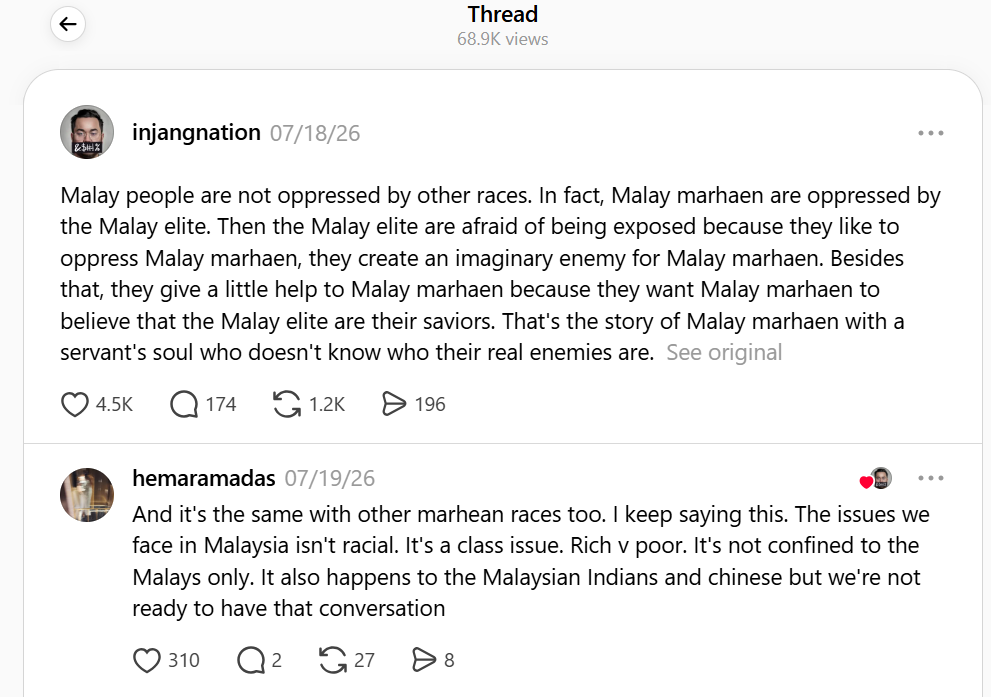
Screenshot from Threads. Source : Threads
Amidst the frenzy and narrative that focus on race, there are a growing number of observers that claim Malays are not being oppressed by other races but instead by elite Malays. Prominent political commentator, Injangnation, claimed that its elite class of Malays who create imaginary bogeymen to scare ordinary Malays. These elites would also provide forms of aid to the Malay communities to create the illusion of being the savior to their people.
Many on the other hand are more focused on affordability and wealth and as opposed to identity politics when it comes to elections. Making support for parties that pander certain racial groups “more conditional.”
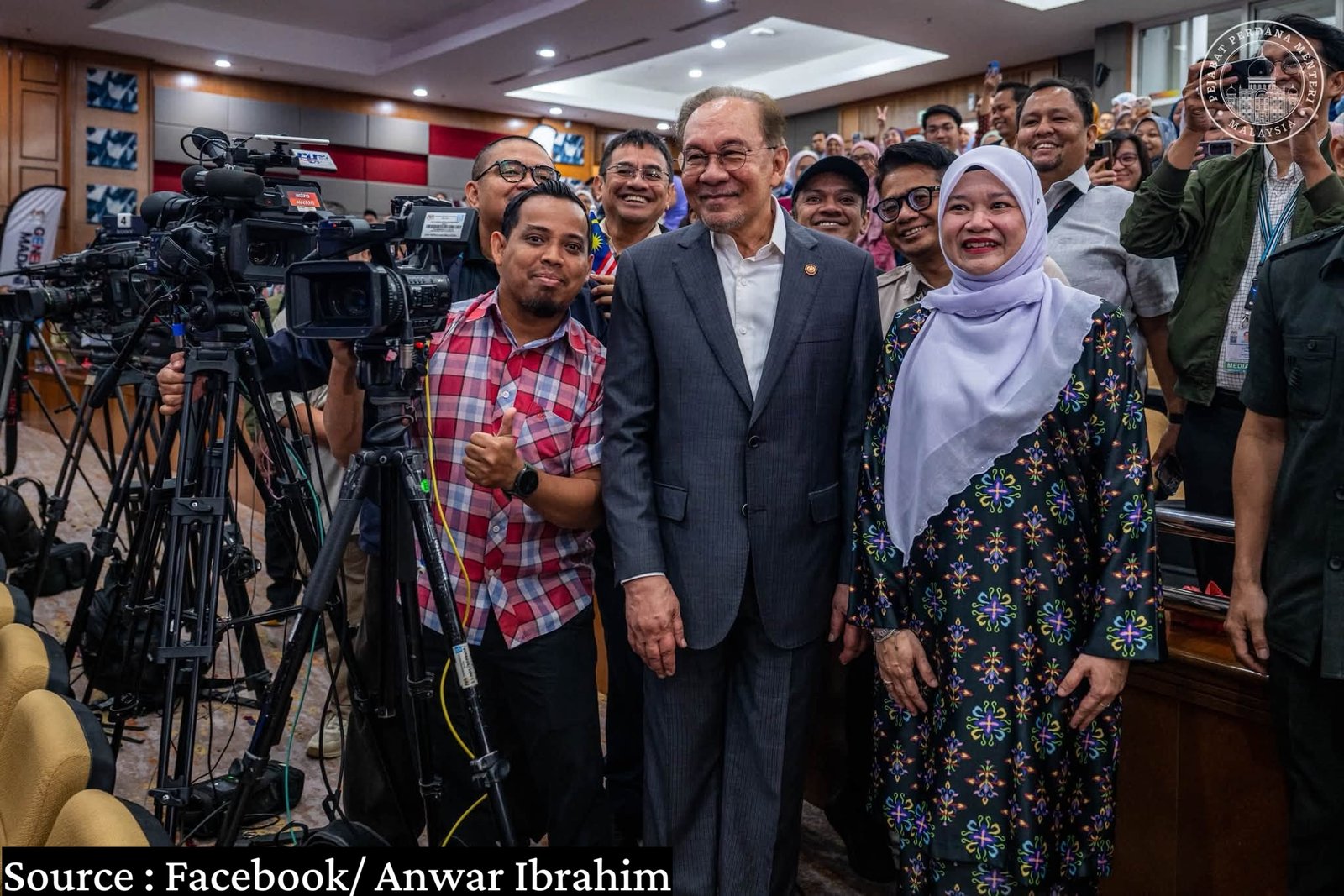
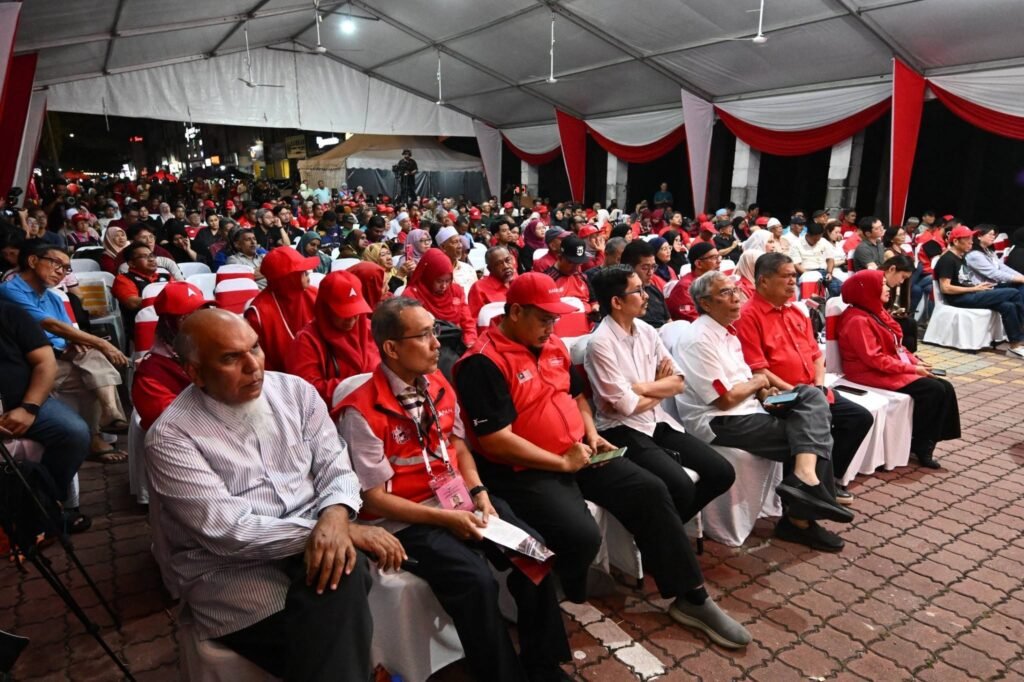
Pakatan Harapan supporters in a rally. Source : Facebook/ Pakatan Harapan
The Negeri Sembilan state legislative assembly election remains only days away. Many deem it a high stakes election as the Prime Minister Anwar’s party member governing the state and the failure to capture the legislative assembly will reinforce the reputation of Anwar’s coalition as a poorly performing bloc. With Indian and Chinese Malaysians making up a considerable voter pool in Negeri Sembilan, parties and politicians alike could continue exhausting every possible strategy beyond policy and economics.
Han Kyeol Kim is an editor in Southeast Asia Analyst