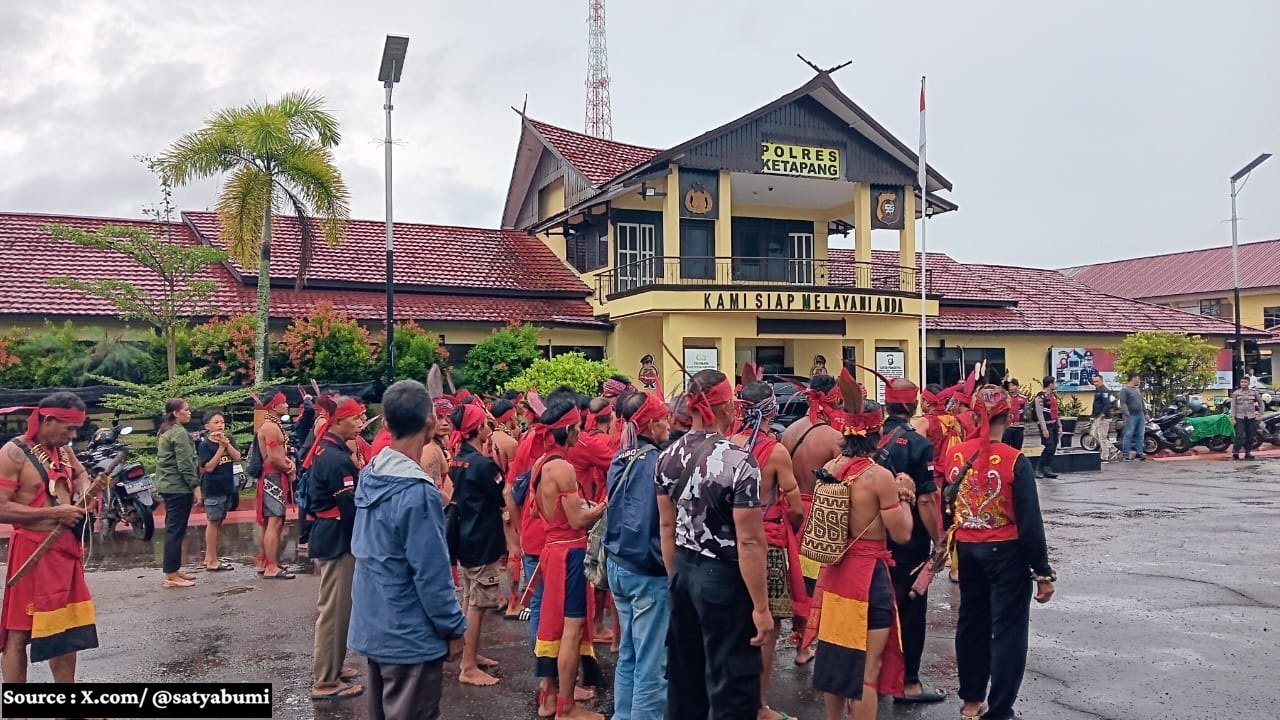
The smoke does not discriminate in the air, but the capacity to escape its effects is profoundly unequal.
Editor – Southeast Asia Analyst
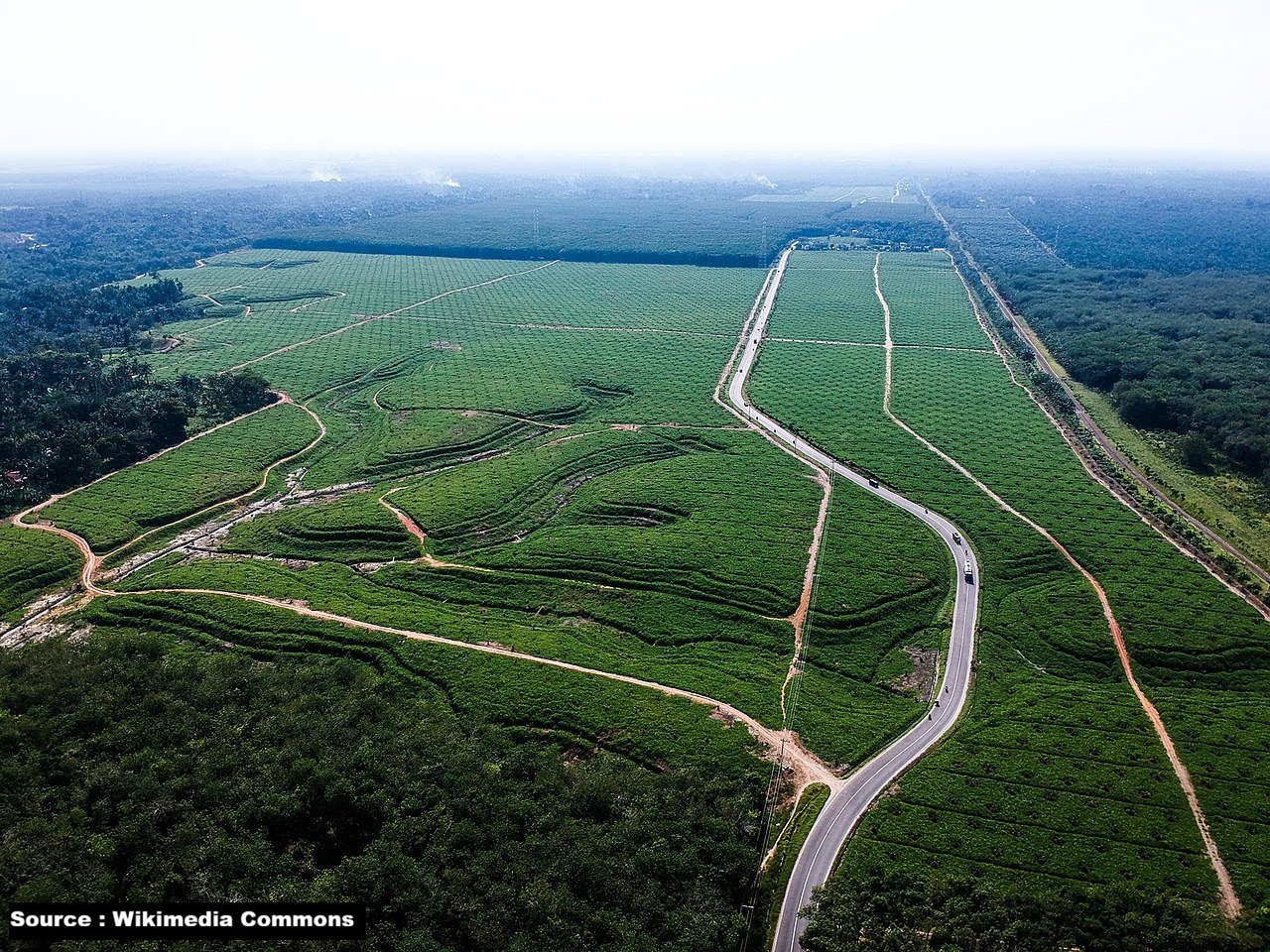
For more than four months, from June to October 2026, Indigenous communities in West Kalimantan, Indonesia, have been forced to live under persistent, smoke-filled skies. The air they breathe is now a health hazard. The recurring haze crisis in Kalimantan exposes a profound environmental injustice: those who contribute least to environmental destruction often bear its most devastating consequences. Indigenous communities whose lives, livelihoods, and cultural identities are deeply connected to forests and land are forced to endure the consequences of ecological degradation while having limited power to prevent it. The smoke does not discriminate in the air, but the capacity to escape its effects is profoundly unequal. For the wealthy and politically connected, the haze may be an inconvenience that can be avoided. For Indigenous communities and economically disadvantaged populations, it can mean prolonged exposure to hazardous air, declining health, disrupted food production, and the persistent fear that the next breath may carry consequences they cannot afford to treat.
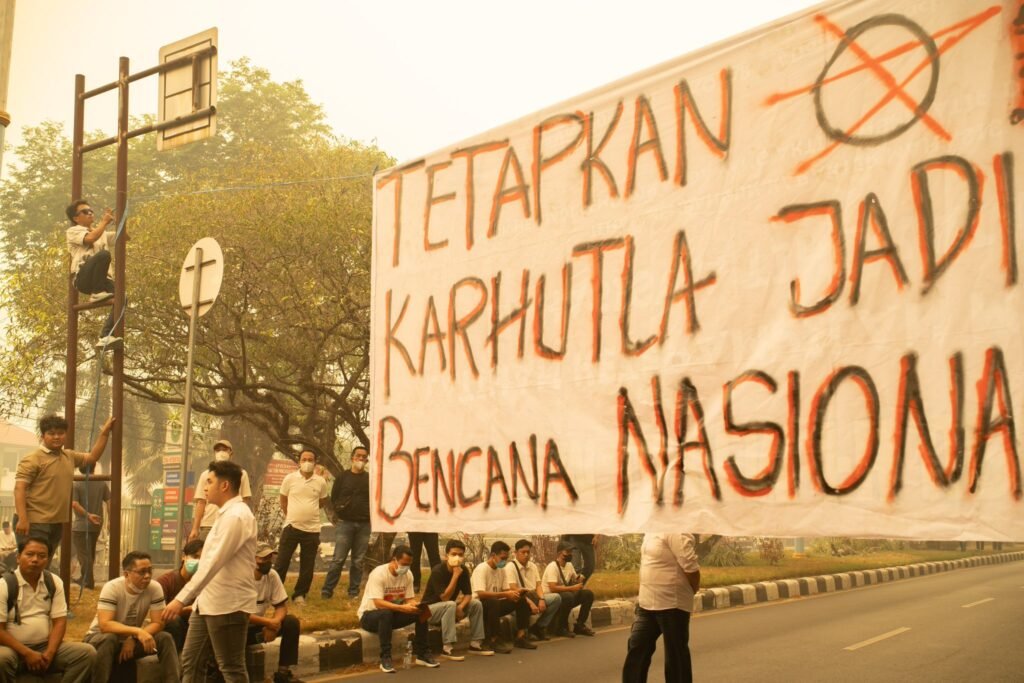
“Label” forest fires as national disaster” Source : X.com/ @oqforwhat
The crisis also demands that we reconsider what we mean when we call this period a haze season. Climate change, deforestation, forest fires, floods, and droughts are no longer experienced simply as isolated environmental events. They are recurring disruptions that communities are increasingly expected to anticipate and endure. In Kalimantan, the annual return of smoke is a grim reminder of how environmental destruction is woven into everyday life. Yet describing this crisis as a season risks making it sound natural, inevitable, or beyond human control. Treating them as seasonal events risks obscuring the political and economic decisions that allow them to persist. Forest fires and toxic haze are not simply features of the tropical calendar. They are entangled with land clearing, plantation expansion, land-use change, peatland management, and failures of environmental governance. What is repeatedly presented as a seasonal phenomenon must also be recognised as a political and social crisis.
The Seasons of the Anthropocene describes how environmental changes intensified by human activity become recurrent, recognisable, and embedded in the rhythms of social life. A season, in this sense, is not merely a meteorological cycle. It is also a condition shaped by economic interests, political decisions, technologies, and unequal relations of power. The recurring haze in Kalimantan is therefore not only an environmental event; it reveals how the costs of ecological destruction are distributed across society. When the same crisis returns year after year, the question is no longer simply why the fires keep happening, but why vulnerable communities continue to bear the consequences.
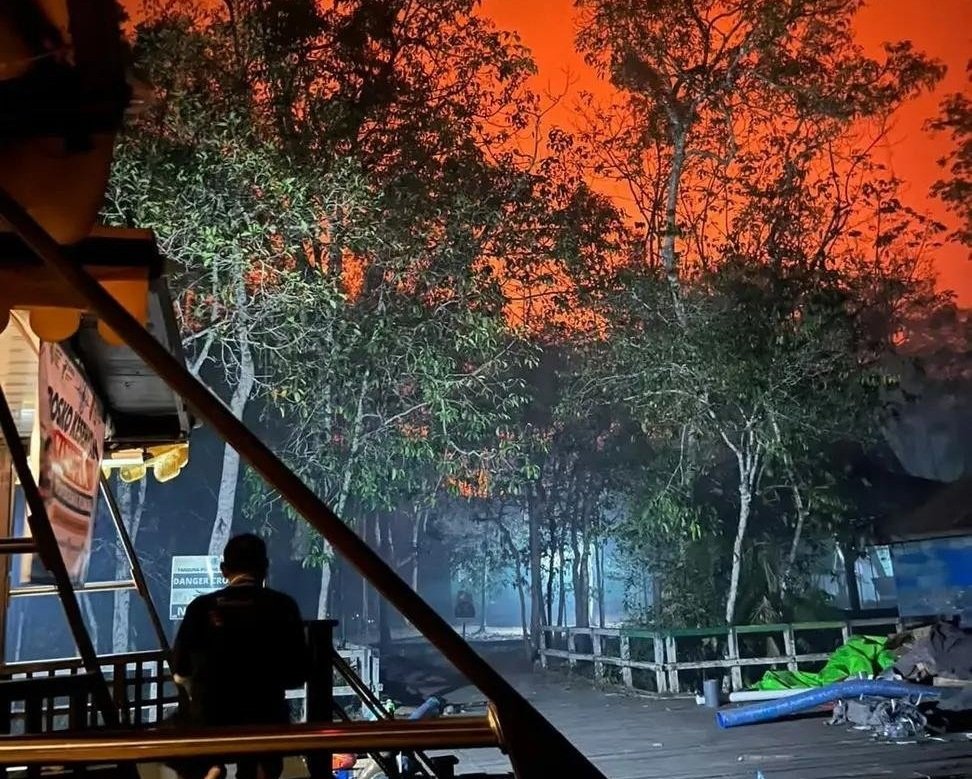
Man stares at forest fire from his hut. Source : X.com/ @danskuss
These consequences are not experienced equally. For Indigenous communities, forests, rivers, plants, animals, and agricultural cycles are inseparable from livelihoods, cultural practices, collective memory, and intergenerational knowledge. When smoke blankets their territories, the damage extends beyond deteriorating air quality. Farming is disrupted, mobility becomes difficult, food security is threatened, and relationships with the surrounding environment are strained. The haze interrupts not only breathing but also the ecological rhythms through which community life is sustained. A season of smoke can therefore become a season of uncertainty, fear, and loss.
This is why the experience of Indigenous communities must be central to any discussion of the Anthropocene. Their understanding of ecological time is grounded in close relationships with forests, animal behaviour, plant cycles, water conditions, agricultural practices, rituals, and collective memory. When these rhythms are disrupted, the consequences extend across the wider web of life. The late arrival of rain, the failure of crops, changing river flows, and the disappearance of forest species are not merely environmental changes; they transform the social and cultural worlds through which communities organise their lives.
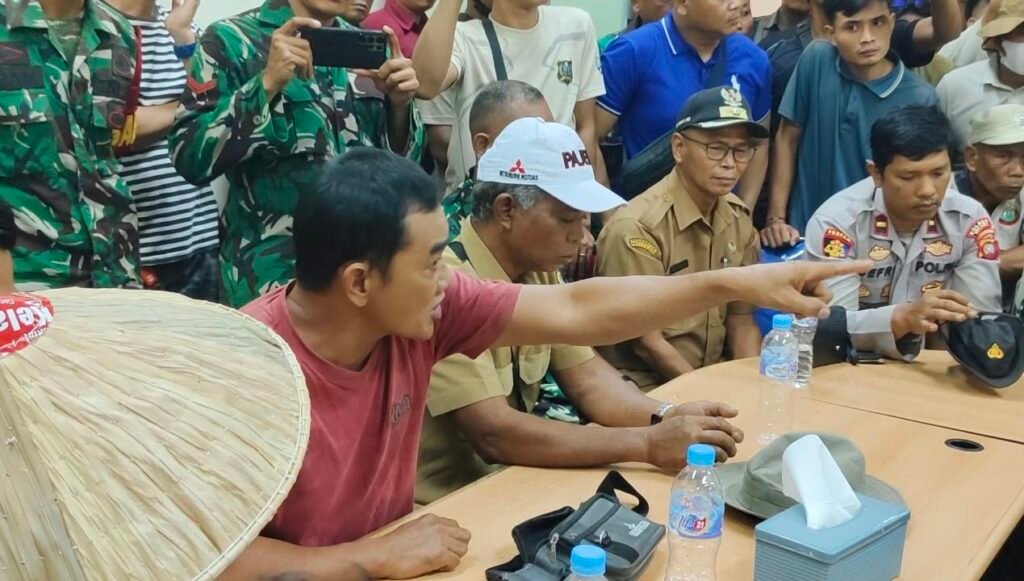
Indigenous leaders and government officials hold discussions. Source : X.com/ @Puspen_TNI
In Kalimantan, Indonesia, recurring wildfire smoke has turned the so-called haze season into a prolonged threat to Indigenous communities. When toxic air returns year after year, there is a danger that a preventable crisis becomes normalised as an inevitable seasonal occurrence. Forest fires and haze are not simply natural cycles; they are entangled with land-use change, plantation expansion, and environmental governance. The consequences of these recurring crises are profoundly unequal. While wealthy individuals and politically connected officials may afford to travel away from affected areas, access cleaner environments, and obtain medical treatment, Indigenous communities and economically disadvantaged populations often have few alternatives. Their dependence on ancestral territories and local livelihoods makes escaping prolonged exposure particularly difficult. For these communities, the haze is not merely an environmental inconvenience but a threat to health, food security, livelihoods, and cultural continuity. When communities repeatedly face these dangers without adequate protection, environmental neglect becomes a matter of social justice and political accountability.
Understanding the Seasons of the Anthropocene therefore requires us to move beyond the assumption that environmental crises affect everyone equally. Although smoke may spread across the same region, people’s ability to avoid its consequences depends on their wealth, mobility, access to healthcare, and political power. For Indigenous communities, the damage extends beyond breathing polluted air: smoke disrupts agricultural cycles, threatens food production, and undermines the ecological relationships through which cultural knowledge and community life are sustained. The question “Whose Season?” is thus fundamentally political: whose lives are protected, whose suffering is tolerated, and who is held accountable? Indonesia must stop treating recurring haze as an unavoidable seasonal phenomenon and confront the structural conditions that perpetuate it. No Indigenous community should have to breathe poisoned air as the price of living on its ancestral land.
Nikodemus Niko is an Assistant Professor in Sociology, Universitas Maritim Raja Ali Haji, Indonesia and Post-Doctoral Fellow in Chulalongkorn University, Thailand.