While such incidents and diplomatic retaliations that follow are nothing new between the two countries, this case in particular comes right before an especially sensitive time.
Editor – Southeast Asia Analyst.
The Philippine military announced on 20th July that a Chinese coast guard aboard a rigid hull inflatable boat struck a Filipino sailor on the head with a wooden baton sailing on a rubber dinghy near the Second Thomas Shoal, a structure located within the bounds of the Philippine’s exclusive economic zone.
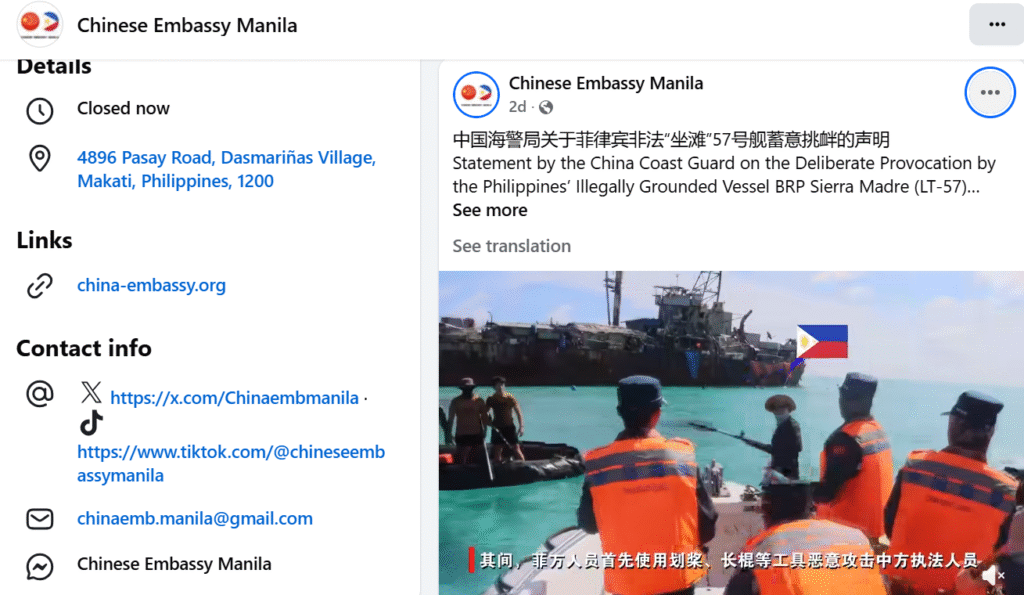
On the same day, the Armed Forces of the Philippines (AFP) posted a video of the clash taken from the BRP Sierra Madre, a Philippine naval ship that was deliberately grounded on the Second Thomas Shoal in the late 1990s to serve as an outpost against persistent Chinese aggression on the west coast. The ship remains categorized as a commissioned navy vessel. The Chinese Embassy in Manila retaliated by also posting a video on facebook with Philippine sailors approaching the Chinese Vessel.
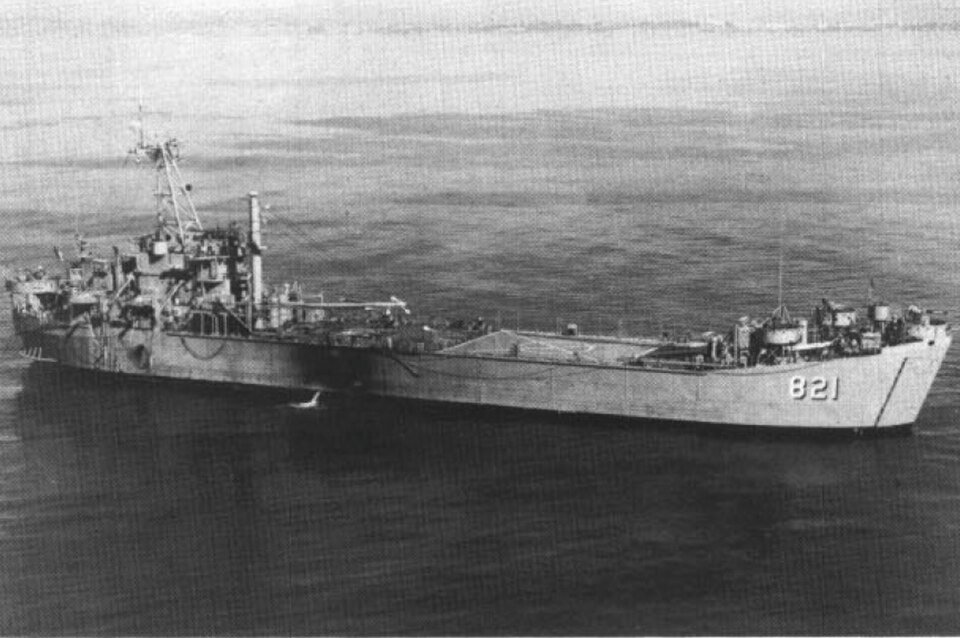
BRP Sierra Madre before it was transfered from the US Navy to the Philippine Navy. Source : Wikipedia
The incident sparked outrage among the public with Filipinos online calling out China’s alleged hypocrisy and some even poking fun by commenting with Winnie the Pooh images on the Chinese embassy’s facebook post, an insult commonly targeted at Chinese President Xi Jin Ping. With politicians demanding the government to take stronger stances and diplomatic protest
Screenshot from Chinese Embassy in Manila’s facebook page. Source : Facebook/ Chinese Embassy Manila
This resulted in both governments accusing each other of violating international law and being the first to provoke. While the AFP reaffirmed that the Philippine will maintain its lawful presence in the Second Thomas Shoal the Chinese Embassy in Manila claimed that dinghies sent from the “illegally” grounded BRP Sierra Madre initiated malicious attacks on the Chinese Coast Guard Vessel that was on a routine patrol. Despite the physical altercations, both sides claimed that their personnel exercised maximum restraint. Ambassadors from both countries were summoned by their respective hosts on the day after the incident.
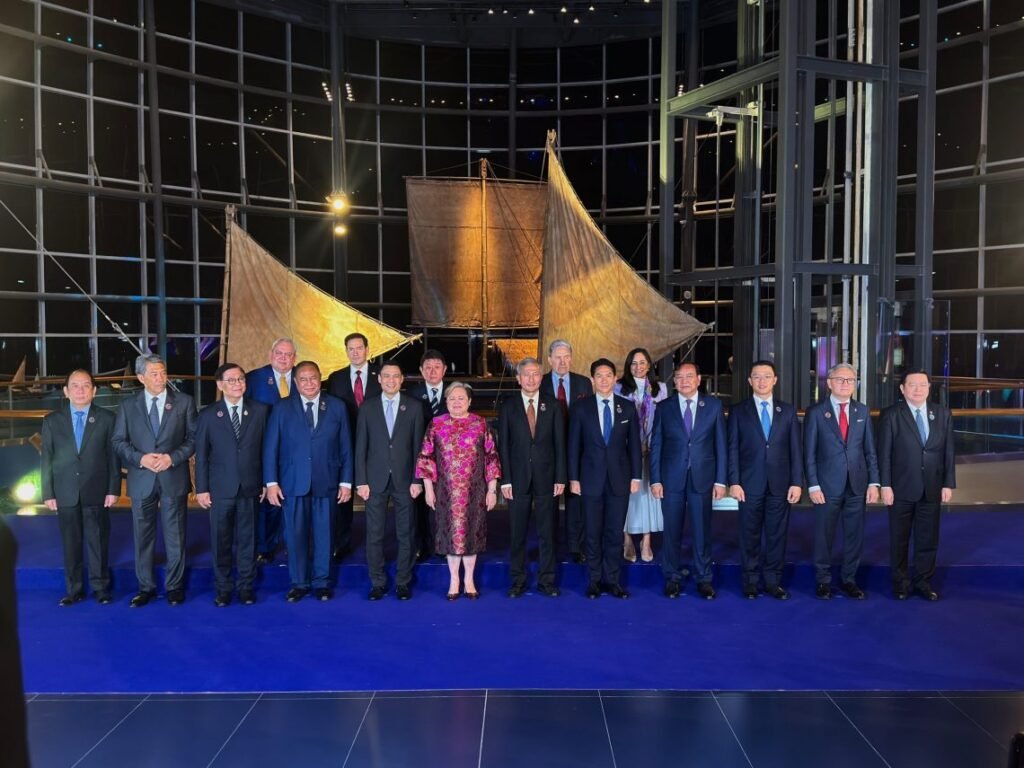
While such incidents and diplomatic retaliations that follow are nothing new between the two countries, this case in particular comes right before an especially sensitive time. The Philippines hosted the ASEAN Foreign Minister Summit that also included delegations from ASEAN’s partner countries such China, the United States and other dialogue partners.
Gala dinner for ASEAN foreign ministers. Source : asean.org
The tension and accusations followed into the summit. Reportedly ASEAN foreign ministers were silent on the latest development in the Second Thomas Shoal despite the topic being brought up by Philippine foreign secretary Lazaro.
“I was the one who presented it as part of the discussion… but the foreign ministers did not respond to that position that I made because I think everything is still being discussed between the two parties,” said Lazaro to reporters on 21st July. The meeting itself focused more on the evolving situation in the middle east as did the joint statement produced after the summit.
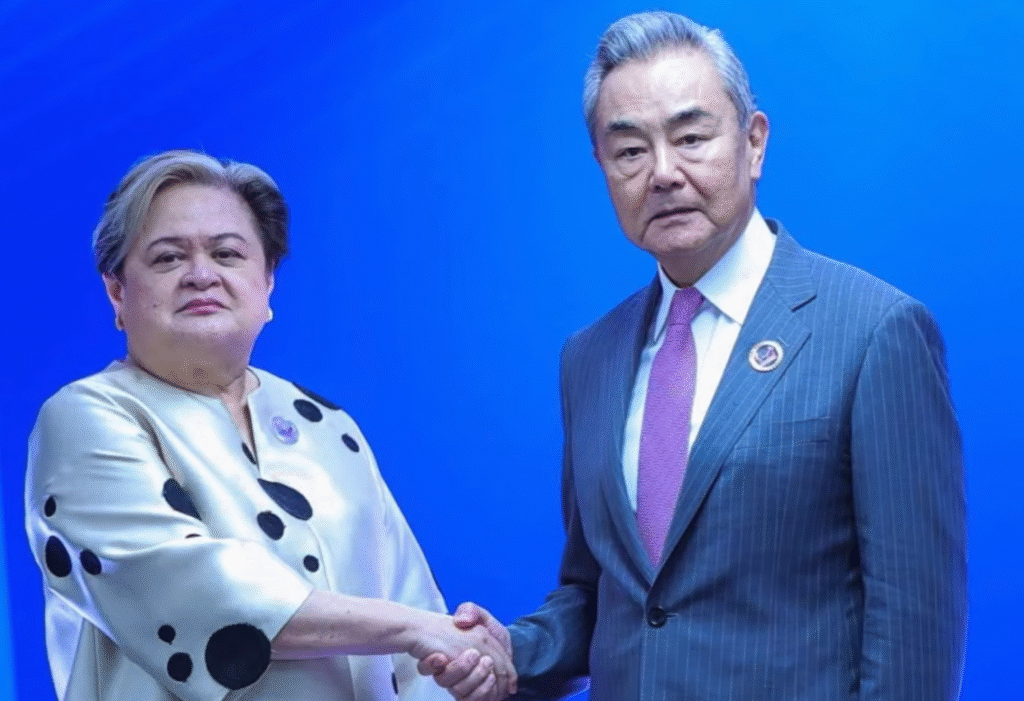
The bilateral meeting on the sidelines of the summit on the next day between Lazaro and her Chinese counterpart Wang Yi largely consisted of Lazaro protesting China’s actions in the Second Thomas Shoal and China’s state media depicting the Filipinos as monkeys unacceptable, offensive, and distressing. On the other hand, Wang Yi doubled down and urged the Philippines to immediately stop provocative actions on maritime issues and make concrete efforts to stabilize bilateral relations.
Top diplomat Theresa lazaro and Wang Yi shakes hand at the sidelines on ASEAN Foreign Minister Summit. Source : Instagram/ dfaphl
Such frequent clashes between the Philippines and China largely stem from a couple factors. China’s claim to 90% of the South China Sea is based on historical claims which overlaps with the Philippines claim on its west coast that is largely granted by international law. With overlapping claims, neither side is willing to give up its territory. While previous administrations in the Philippines were willing to shelve territorial claims in the interest of investment and development aid from China, the current Marcos Jr. administration maintains a confrontational stance against China.
Many are concerned by the fact such incidents are still frequent despite the code of conduct of parties in the South China sea, an allegedly legally binding document meant to govern actions of Southeast Asian countries China is due this year. While the concern is expected, the completion of the code of conduct will not create much difference. With no methods to enforce the regulations written on the code of conducts, except for the risk of damaging its own credibility, China’s actions will remain unchallenged. This is as proven by the Permanent Court of Arbitration in 2016 that ruled in Philippine’s favour.
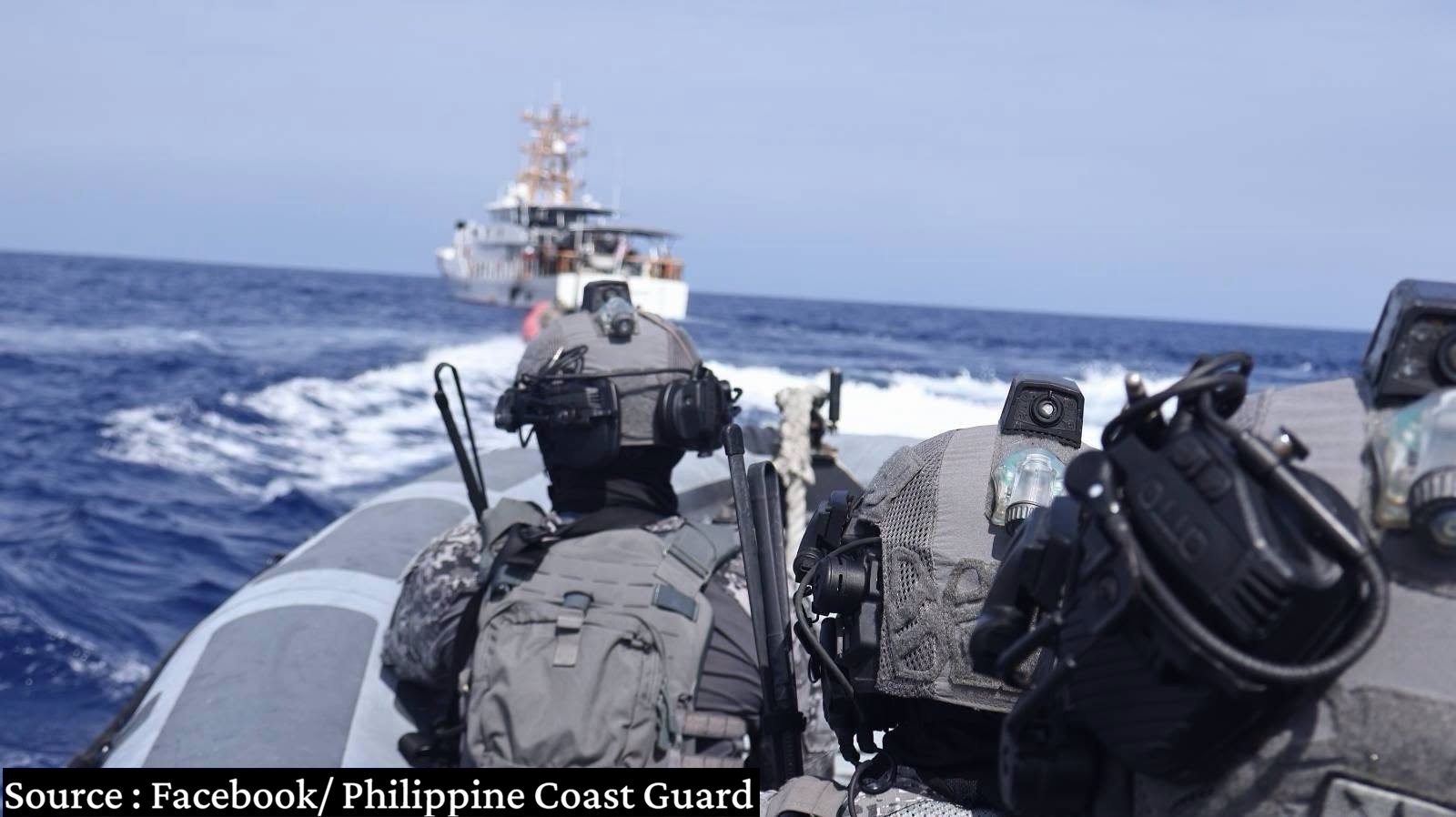
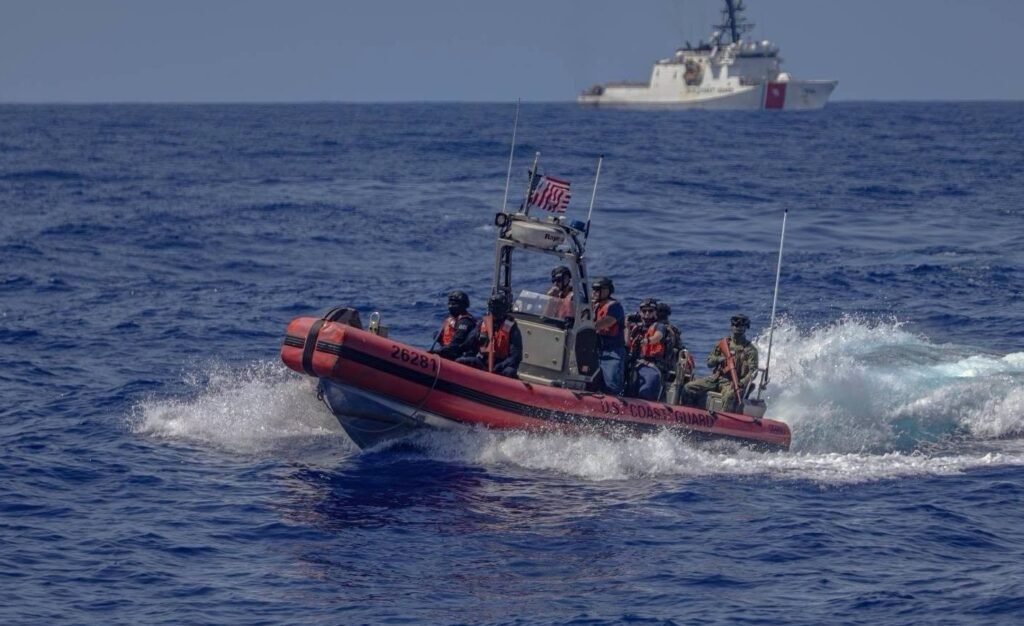
Philippine coast guard training with US coast guard. Source : facebook/ Philippine Coast Guard.
With the Philippine’s cry for help falling on its fellow ASEAN member states’ deaf ears, the archipelago has no other choice but to rely on its extra regional partners such as Japan and the United States, further creating disunity between the regional organization.
Jasmine Pingol is an Archipelagic Southeast Asia columnist for Southeast Asia Analyst, based in Manila.