“I see Taiwan as a part of China. Period. You may disagree with their some excesses, yes but it must in the context, it is one China, it is accepted by all.” Said Anwar.
Editor – Southeast Asia Analyst
Malaysian prime minister Anwar Ibrahim’s recent comment on the contentious topic of Taiwan’s status in relation to China garnered international attention and sparked widespread discussion. In an interview with Al-Jazeera, Anwar expressed his view assertively that Taiwan is part of China, as per the One China Policy. He provided Malaysia as an analogy, stating that he would not refrain from the use of force should there be a cessation movement.
“I see Taiwan as a part of China. Period. You may disagree with their some excesses, yes but it must in the context, it is one China, it is accepted by all.” Said Anwar.
While such remarks garnered praise from Beijing, the Malaysian PM irked the officials in Taipei. Strong sentiments have been evoked among Taiwanese officials and the public, and Taipei stated that Anwar’s remarks risked threatening regional stability.
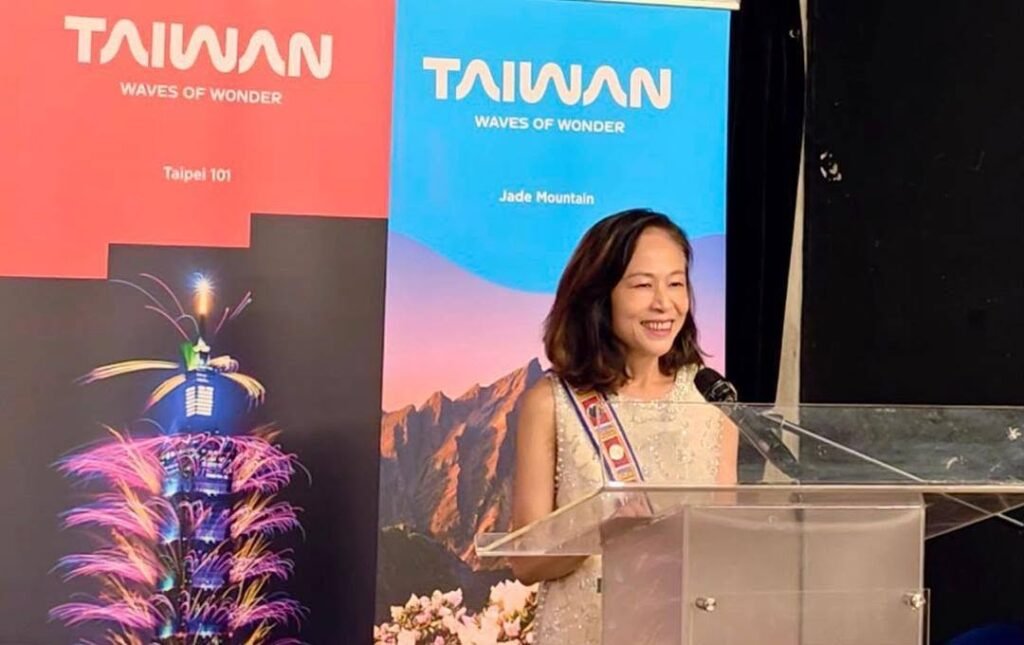
Taiwan Head Representative to Malaysia. Source : roc-taiwan.org
First among states in Southeast Asia, Malaysia normalised diplomatic ties with Beijing in 1974 under the leadership of Tun Razak. Besides, Malaysia has long endorsed the One China Policy, acknowledging Beijing as the only China, alongside the majority of the countries worldwide. In trade and economic terms, China remained Malaysia’s major trading partner. On the other hand, Malaysia continues to maintain longstanding robust trade and economic ties with Taiwan, particularly in the semiconductor and electronics industries. In place of a formal diplomatic establishment is the Taipei Economic and Cultural Office in Malaysia, which fostered economic dealings and cultural exchanges between two countries over the decades. Taiwan, being a crucial player in the global chipmaking value chain, remains relevant and important, especially given that Malaysia is one of the major chip assembly locations. Thus, it is established that Malaysia maintains official diplomatic ties with Beijing, as well as informal economic and cultural links with Taipei.
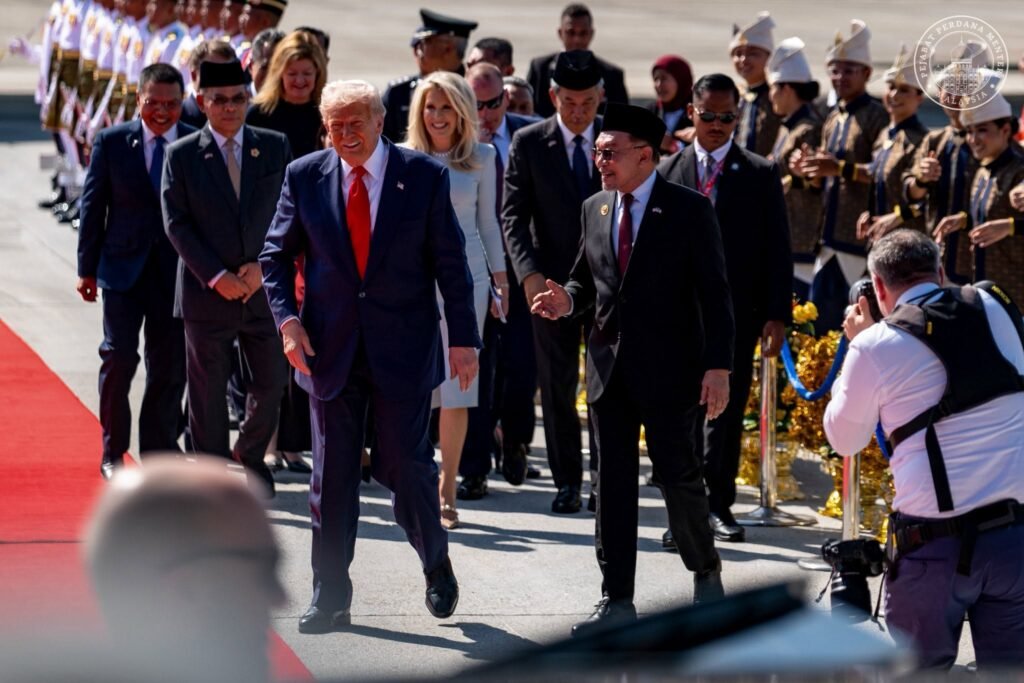
US President Donald Trump and Prime Minister Anwar Ibrahim. Source : Facebook/ Anwar Ibrahim
What’s striking is that Anwar’s remarks in this interview signal a shift in Malaysia’s habit of working in foreign policy on the domestic and systemic levels, specifically, the non-interference principle upheld in foreign policy and hedging as an approach to great power tensions.
One key principle of Malaysia’s foreign policy emphasises non-interference in the domestic affairs of other states, a legacy of the Non-Aligned Movement. In upholding this principle, Malaysian heads of state in the past have refrained from making excessive comments on the internal affairs of other states, notably one that is as sensitive as the Taiwan issue.
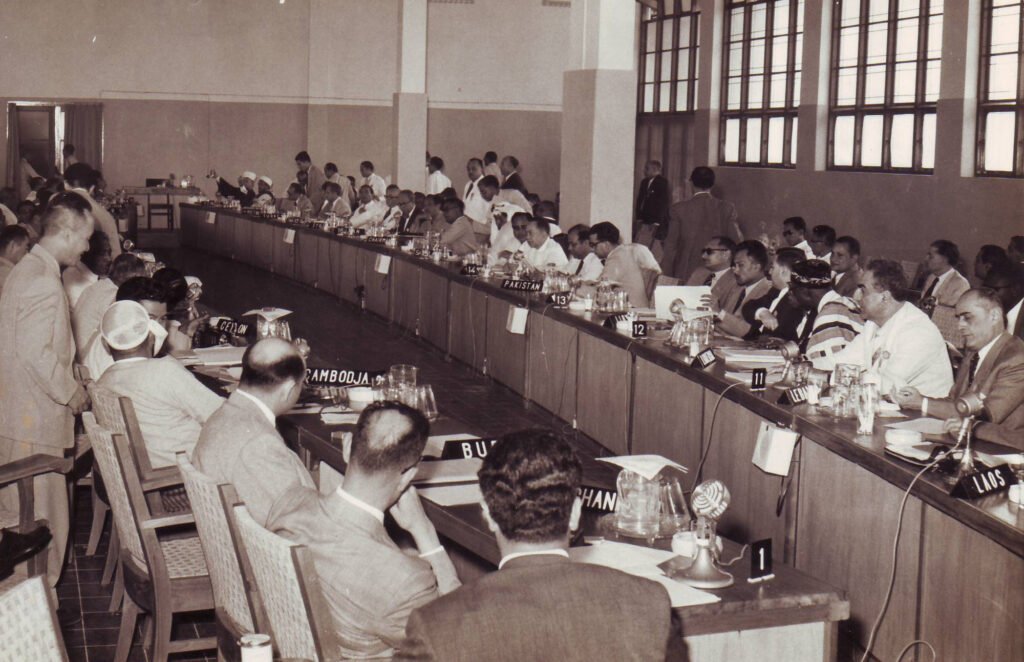
Plenary session Bandung conference. Source : Wikipedia.
Anwar’s remarks, however, paint a clear stance constraining room for strategic ambiguity. As a postcolonial state established in the wake of the Bandung Conference advocating for the Non-Aligned Movement in the Cold War era, non-interference is of key importance. Non-interference up to this point has taken the form of diplomatic restraint, that is to say heads of state refrain from commenting on contentious issues beyond the territory under their purview.
While some argue that it was merely a comment and might not necessarily constitute interference with the domestic affairs of another state, commentaries from a head of state do hold normative weight and reflect perceptions towards the country. Moreover, given the heightened sensitivity surrounding Cross Strait relations, extra caution should be given when dealing with such questions.
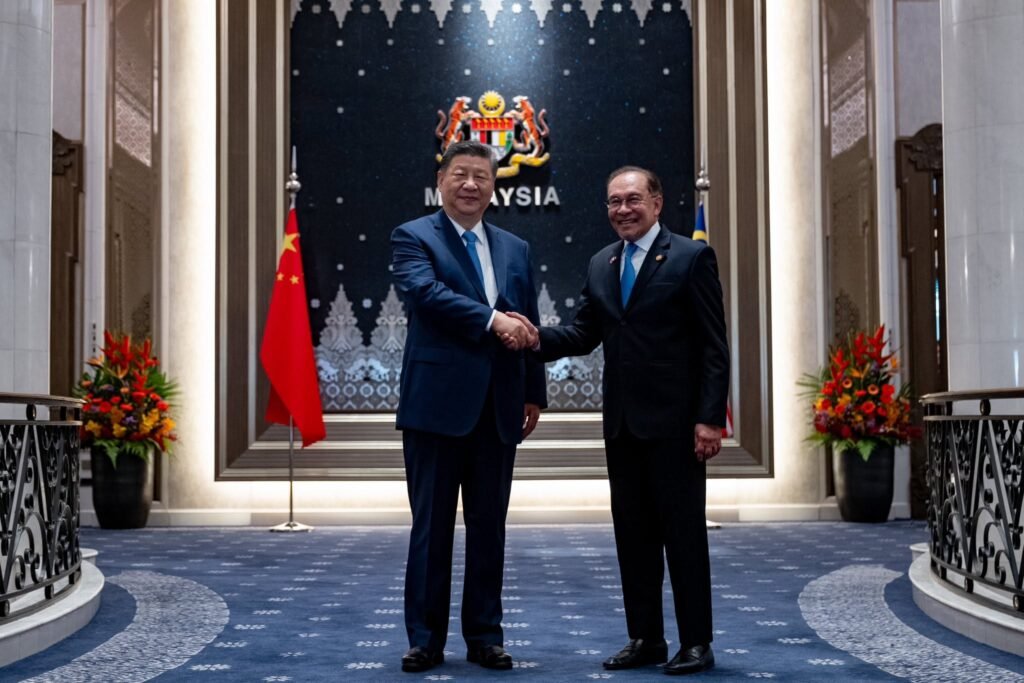
Chinese President Xi Jinping and Malaysia Prime Minister Anwar Ibrahim. Source : Facebook/ Anwar Ibrahim.
On the level of great power competition, Anwar’s comment represents a shift in Malaysia’s utmost important hedging approach towards great power competition. Asserting his stance on the Taiwan issue so explicitly may be interpreted as alignment or bandwagoning with Beijing, as far as this issue is concerned. On the other hand, this explicit remark signals distancing from the US, which allegedly backs Taiwan. Granted, Beijing and Putrajaya share a strong diplomatic rapport, but jeopardising positive perceptions towards Malaysia by Taiwan was far from necessary.
All in all, Malaysia as a trading nation which is also an emerging middle power should, in the current geopolitical climate, exercise caution in diplomacy, especially given that trade and technology are increasingly weaponised in the increasingly fragmented world order. Anwar in his tenure has demonstrated diplomatic flair and finesse, and commendable leadership, particularly during Malaysia’s chairmanship in ASEAN in 2025.
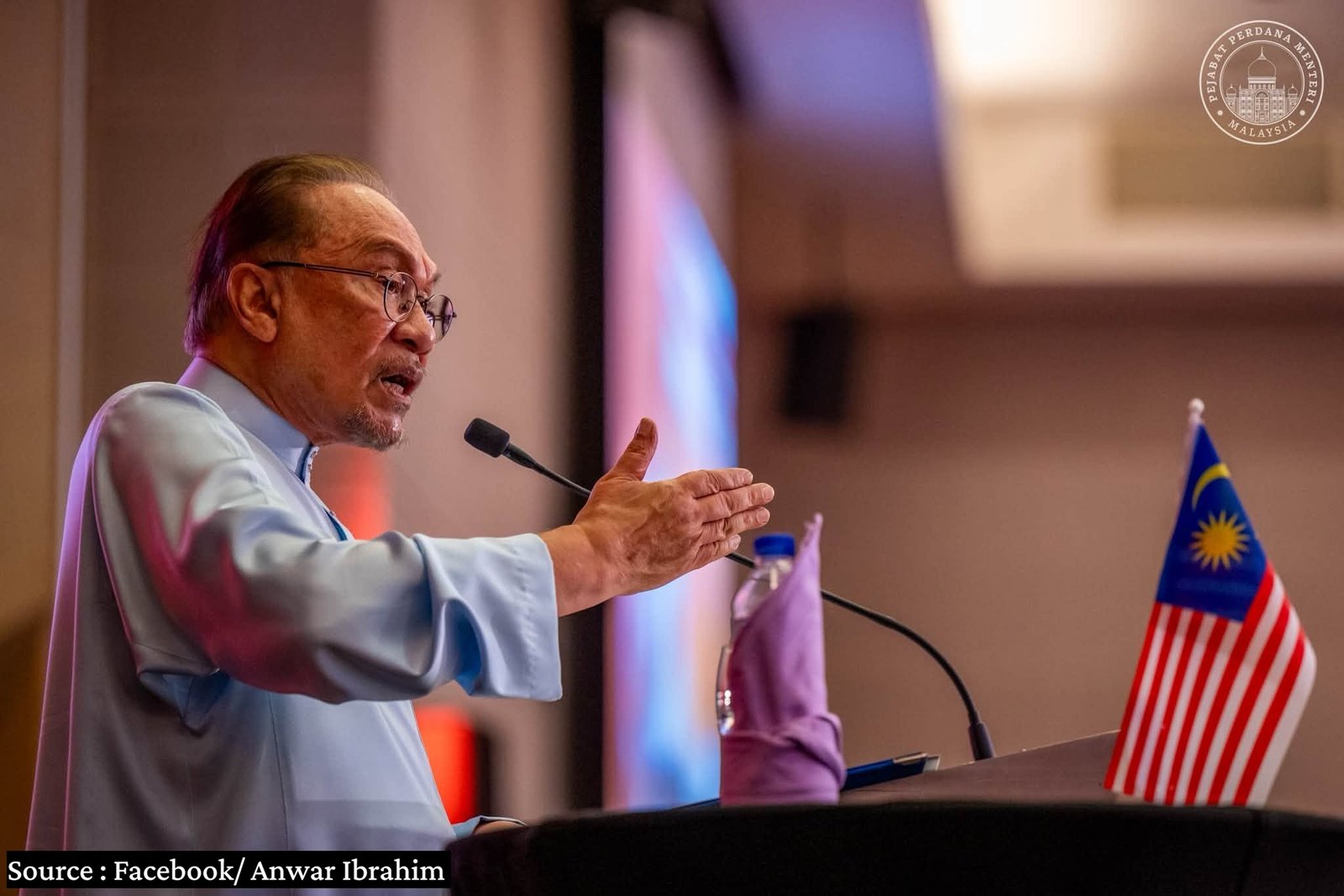
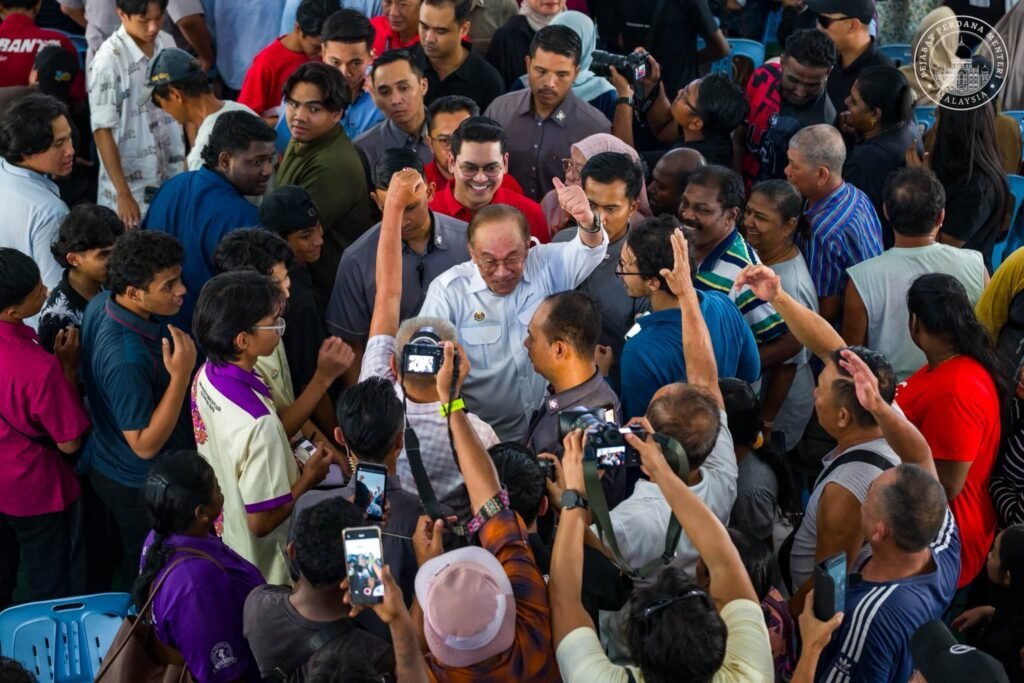
Prime Minister Anwar Ibrahim in a rally. Source : Facebook/ Anwar Ibrahim.
As the country’s leader and top diplomat on the international arena, Anwar’s remarks were less than careful. Nonetheless, it should also be taken into consideration that the interviewee had asked highly provocative questions that even Anwar himself deemed tough. However, this episode may have cost him some points, potentially making him more prone to attacks from political opponents, especially as the next general elections draw nearer in Malaysia.
Emelyn Chen is a Master’s graduate in International Relations from the S. Rajaratnam School of International Studies (RSIS), Nanyang Technological University (NTU). Her research interests range from domestic politics in Malaysia to how global structural dynamics and international relations shape domestic policies.