REEs have not always been perceived favourably in Malaysia. Though not its first emergence in Malaysia, REEs gained prominence in public discourse following the start of Australia’s Lynas Rare Earth processing plant operations in Kuantan
Editor – Southeast Asia Analyst
Benefitting from the availability of resources such as land and water that are essential for data centres, Malaysia is experiencing an AI infrastructure boom. In parallel with this and other emerging technologies is the growing strategic importance of rare earth elements (REEs). REEs have become a prized commodity chiefly because of their remarkably strong magnetic properties, enabling the production of high-performance permanent magnets used across a range of applications, including defence technologies, medical equipment, robotics, and industrial automation.
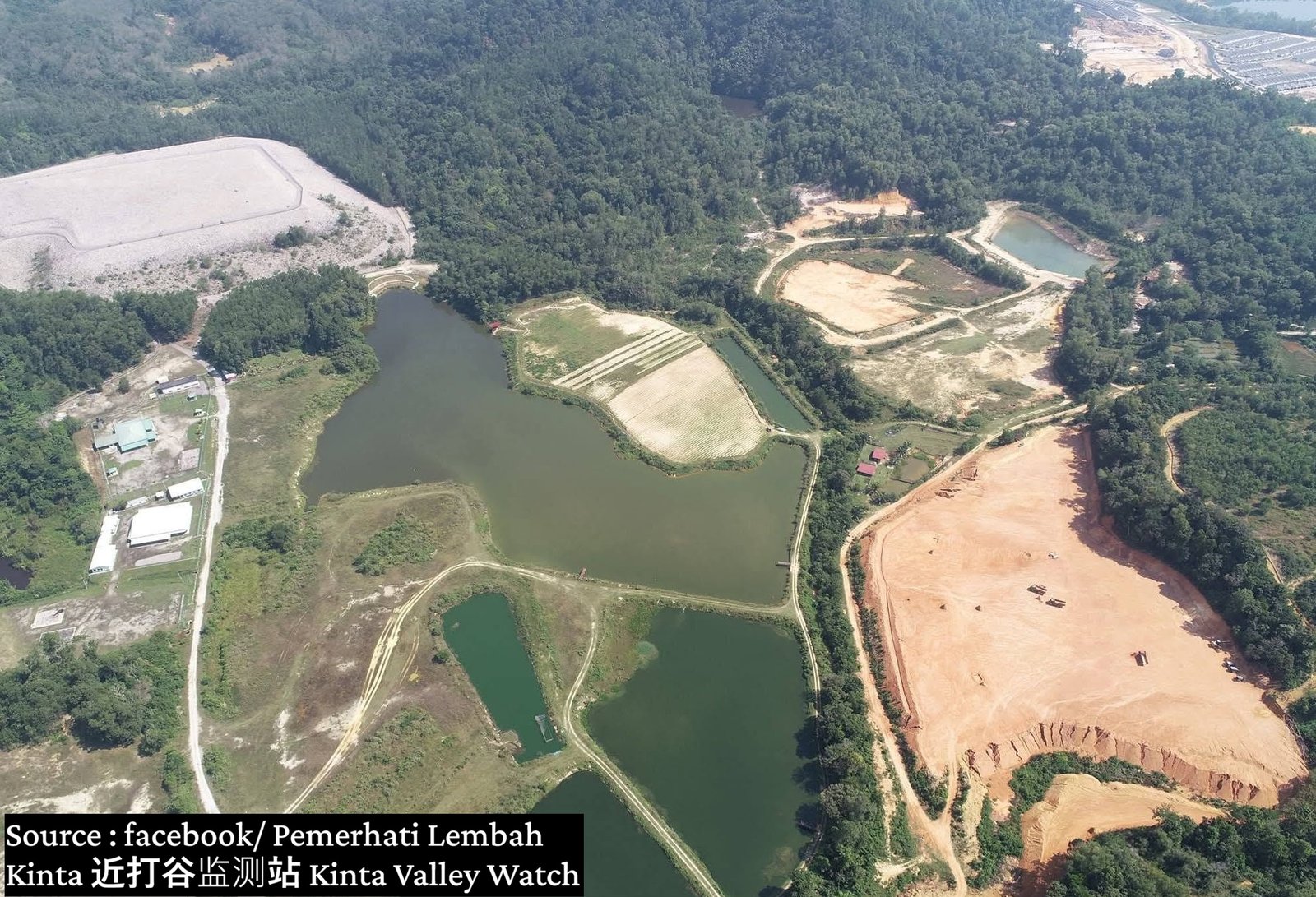
That said, REEs have not always been perceived favourably in Malaysia. Though not its first emergence in Malaysia, REEs gained prominence in public discourse following the start of Australia’s Lynas Rare Earth processing plant operations in Kuantan, Pahang, in the 2010s. The plant sparked widespread debate over environmental concerns and gave rise to a nationwide civil society movement known as Himpunan Hijau (Green Assembly). While memories of the Himpunan Hijau movement continue to linger, REEs are now increasingly perceived as a strategic asset with strong potential to generate economic benefits for the country.
Himpunan Hijau rally in Malaysia in 2014. Source : Wikimedia Commons
More broadly, Malaysia stands to benefit from the structural shift in the US-China competition, as tech firms worldwide seek to mitigate and minimise risks of logistical disruptions by diversifying their sources of REEs. In fact, Malaysia has been in talks with major economies on potential joint ventures to develop its REE value chain. Further, to move downstream in the value chain of REEs, Malaysia banned raw REEs export to foster domestic industrial development and prevent Malaysia from being positioned as merely a source of raw materials for foreign investors. Malaysia’s processing capacity for REEs would elevate its geoeconomic position in relation to major powers. Lynas Malaysia stands as the largest REE processing facility outside of China, allowing Malaysia to leverage heightened trade tensions and increased trade volumes with states seeking REEs of non-Chinese origin. However, the obstacle facing Malaysia is the limited processing capability, exacerbated by Beijing’s ban of knowledge transfer in the processing of REEs.
Amidst all this, how did REEs go from being associated with a nationwide movement and controversy surrounding Lynas and Himpunan Hijau to a strategic asset that drives technological advancements amidst geopolitical tensions?
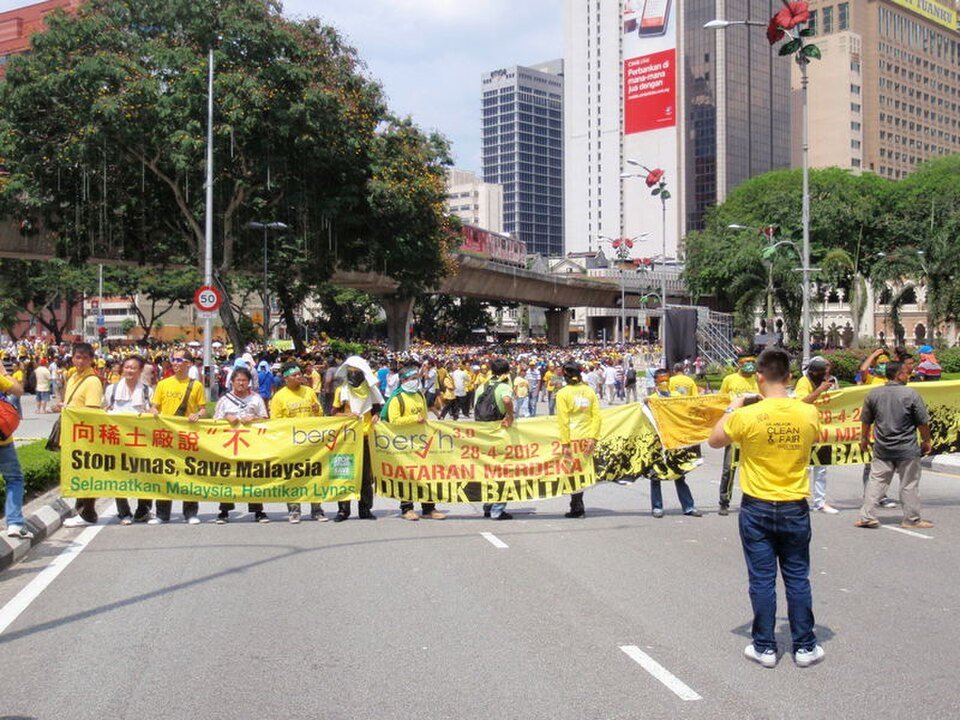
BERSIH rally against Lynas in 2012. Source : Wikimedia Commons
This year marks Lynas’ 14th year of rare earth processing in Kuantan. When Lynas acquired a temporary operating licence in 2012, what ensued was a widespread movement protesting its operation. Himpunan Hijau, spearheaded by environmental activist and later the Member of Parliament of Bentong Wong Tack, protested the operations of Lynas through large-scale public rallies, among other means. Interestingly, this movement coincided with a period in which civil society movements were actively gaining traction in Malaysia. BERSIH, for instance, garnered widespread support from the grassroots as a champion for electoral reforms.
It eventually saw Malaysia undergo the historic change of power in 2018. Leveraging the wave of civil society activism, Wong Tack transitioned from civil society activism to institutionalising his agency by running for office and eventually getting elected as an MP. While Himpunan Hijau did not result in the closure of Lynas rare earth processing plant, it certainly enhanced the public awareness of rare earth processing plants and its accompanying impacts on the environment.
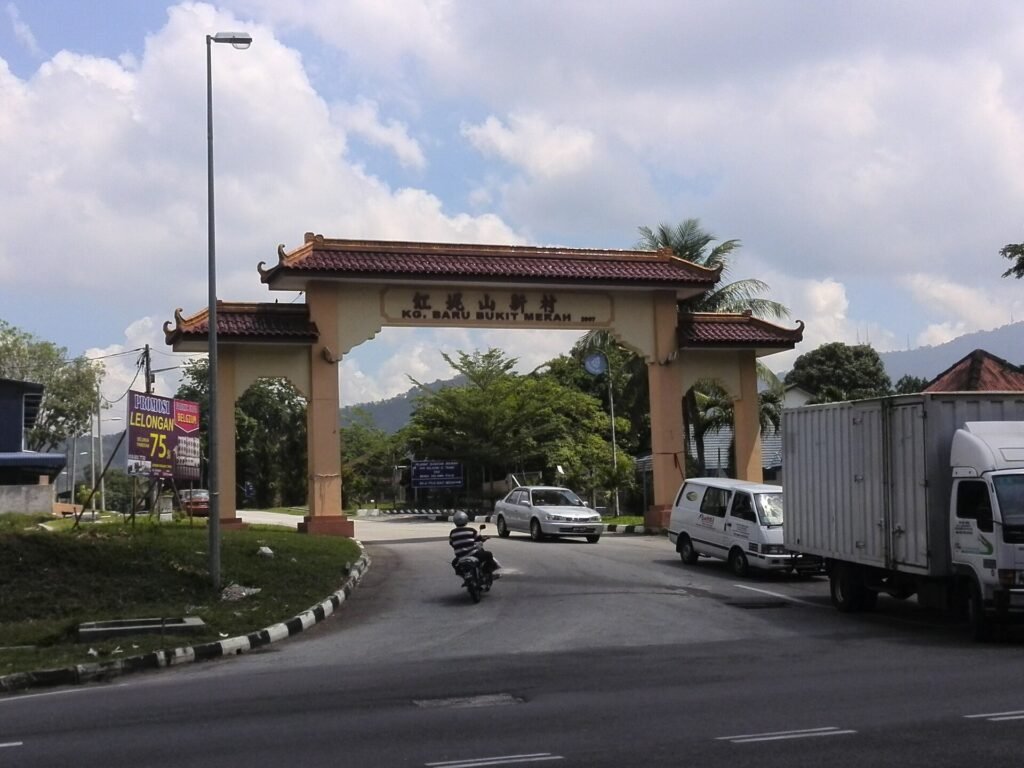
Strong pushback and concerns over the environmental impact of the processing plant did not exist in a vacuum. In fact, an alarming precedent took place in the 1980s in Malaysia, known as the Bukit Merah Radioactive Spills. Radioactive spillage from the Asian Rare Earth Sdn Bhd chemical factory in Bukit Merah, allegedly gave rise to physical defects among infants born in the vicinity of the processing plant. Moreover, the village recorded multiple cases of leukaemia within five years. While a court ruling mandated the factory to close, traumatised residents continue to live in fear of chemical contamination. Such fears did not stay local but loomed large beyond the country, hence the collective fear of similar incidents resurfacing. Thus, the Bukit Merah case established a remarkable precedent in Malaysia’s environmental discourse, becoming etched in the collective memory of Malaysians and making discussions surrounding rare earth processing facilities a sensitive and feared topic.
Village in Bukit Merah. Source : Wikimedia Commons
However, noteworthy shifts in the narrative occurred in the next decade alongside AI-driven technological progress. While there was strong pushback against REEs processing on account of the environmental hazards such as leakage of toxic and radioactive waste, soil and water contamination, and the destruction of local ecosystems, recent discussions of REEs have more heavily emphasised their economic value and potential of elevating Malaysia’s position in the global rare earth value chain.
As AI and advanced technologies gained prominence in the 2020s, the strategic importance of REEs surged accordingly. A prime example, the EV sector, has seen remarkable growth and boosted the demand for REEs.
Emphasis on sustainable development, combined with increasing vulnerability of fuel supply chains to geopolitical disruptions, has contributed to the proliferation of EVs globally. This development, in turn, gave rise to increasing demand for REEs responsible for advanced magnets in the EVs. Thus, the notable change in perceptions towards REEs can be attributed to the growing importance of critical minerals amid the global technological progress as well as geopolitical developments.
Electric Vehicle, Jaecoo J5. Source : Wikimedia Commons
At the systemic level, China is exercising economic statecraft by imposing export controls on raw REEs. This resulted in the scramble for non-Chinese REEs by firms worldwide, as REEs are essential in the development of frontier technologies. That said, Malaysia, adopting a hedging approach amid great power competition, seeks risk minimisation and economic gains, stands to benefit from such dynamics.
While it remains to be observed if the more recently built REE-related facilities are leakproof and safe for the environment, the precedents help to keep firms operating in Malaysia accountable, lest the occurrence of another hazardous incident. It would only be a strategic call for Malaysia to leverage the current structural dynamics, alongside its rare earth reserves and processing capacity to seek another avenue for revenue and growth. Ultimately, Malaysia’s ability to capitalise on the strategic value of REEs will depend not only on its processing capacity, but also on its ability to balance economic ambitions with environmental sustainability.
Emelyn Chen is a Master’s graduate in International Relations from the S. Rajaratnam School of International Studies (RSIS), Nanyang Technological University (NTU). Her research interests range from domestic politics in Malaysia to how global structural dynamics and international relations shape domestic policies.