On the surface the police and the military vows to cooperate, however this is not the first time where institutions clashed. Although the clash is not frequent it is often enough for it to be a concern.
Editor – Southeast Asia Analyst.
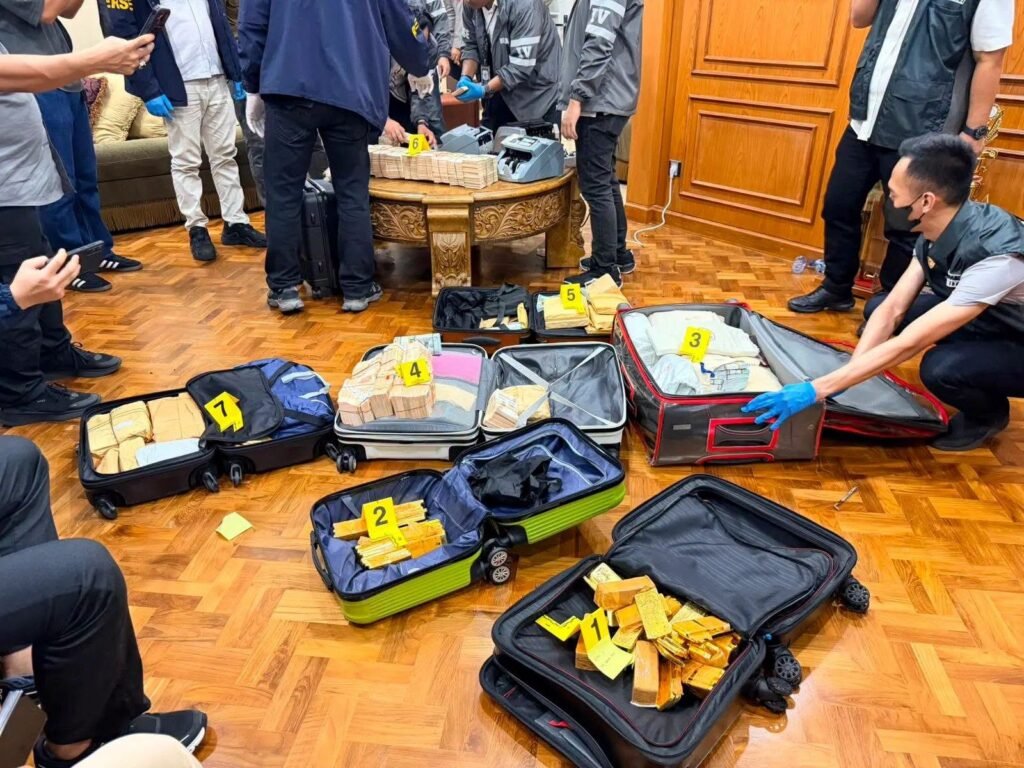
On July 8th, Indonesian National Police investigators raided the cafe de’Clan Signature in Cipete, South Jakarta for its suspected involvement in money laundering, bribery or corruption to coal supply leading to a massive blackout in Sumatra and the PT Krakatau Steel case. The cafe is only one out of 12 different locations the police raided for its suspected connection to the coal cases. From the raids, hundreds of billions of Indonesian rupiah along with gold bars were seized. Many of the investigations on the locations are still ongoing. With the police personnel focusing on collecting evidence, no confirmed arrests were made.
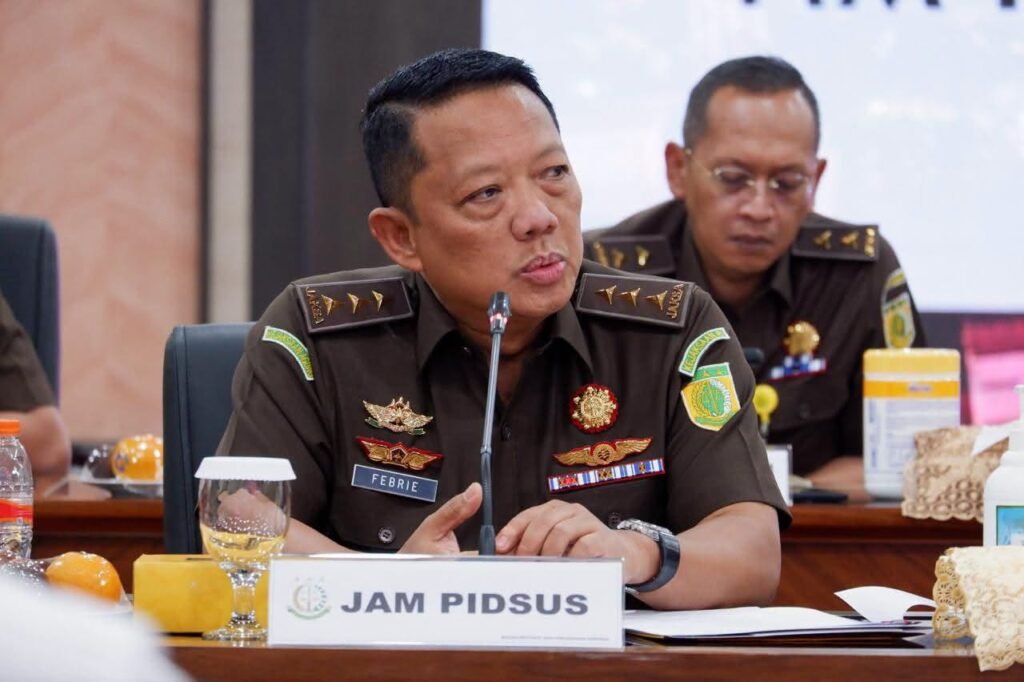
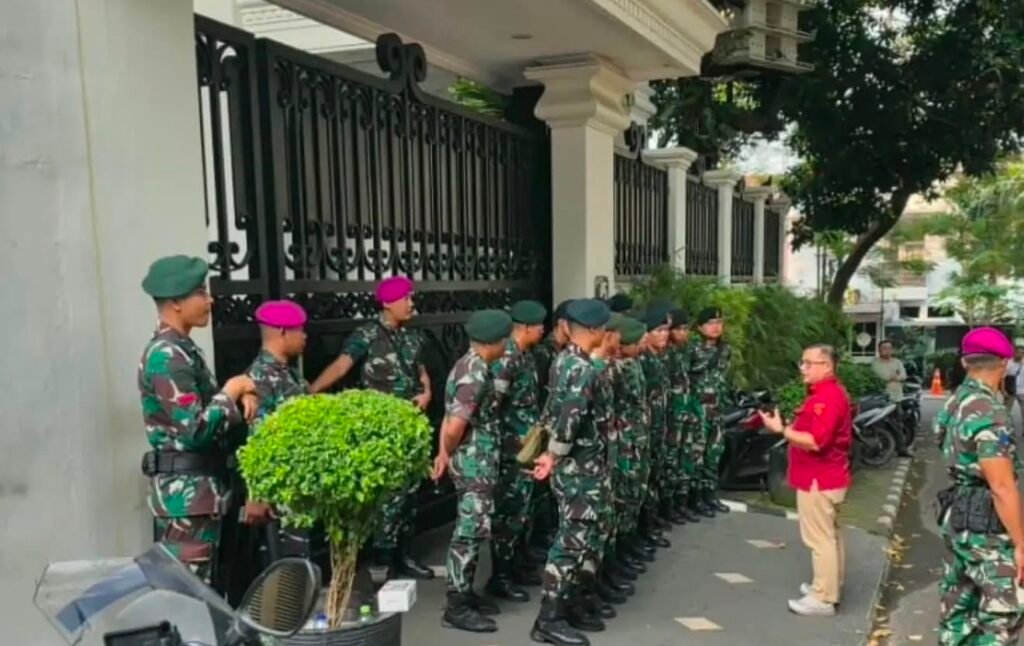
It is reported that the raided locations are associated or owned by Febri Ardiansyah, Deputy Attorney General for Special Crimes. The seasoned Attorney General is well known for prosecuting high profile cases including former minister Tom Lembong and Nadiem Makarim. The cases that sparked outrage among Indonesian and were accused of being politically motivated. Following the raids, soldiers from the TNI (Tentara Nasional Indonesia) Indonesian National Military were spotted guarding Ardiansyah’s residence from on the same day in the evening.
Junior Attorney General for Special Crimes Febrie Ardiansyah. Source : Facebook/ ruang.hukum
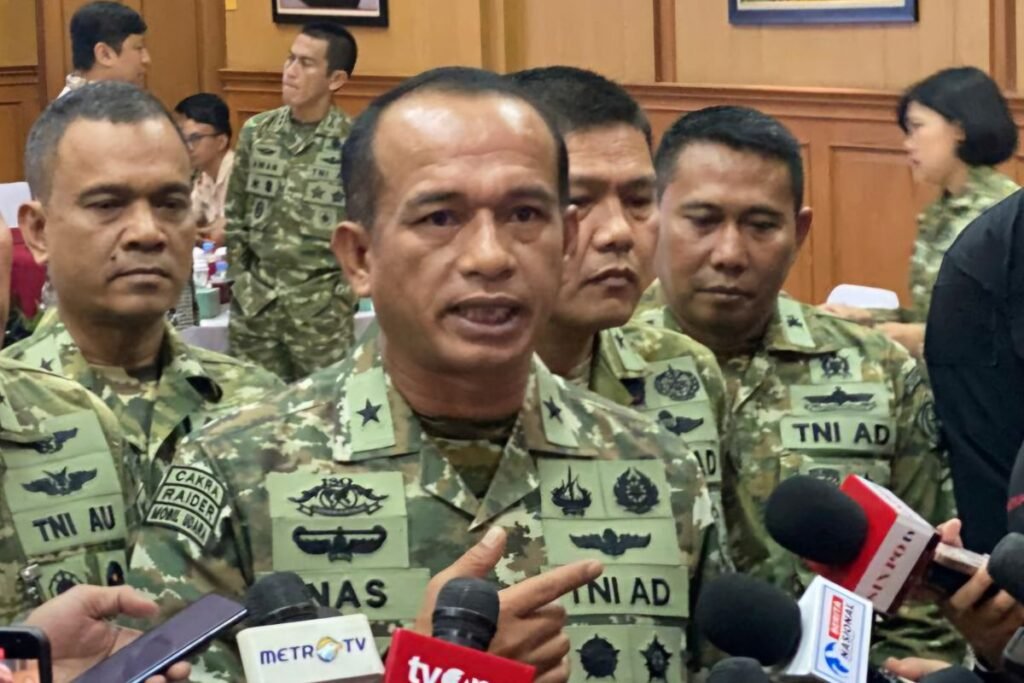
Additionally, on 3.40 am, 9th July dozens of soldiers from TNI were rumoured to surround the Jakarta Metro Police Headquarters to retrieve witnesses involved in the corruption case. Despite video proof and eyewitnesses, military spokesperson Brigadier General Muhammad Nas denied the military’s presence for the suspected purpose and urged civilians to avoid provocative narratives. Nas however did admit to soldiers guarding Ardiansyah at the request of the Attorney General’s Office as part of interagency cooperation. According to Nas, the guard post is in line with Presidential Regulation, which regulates the state’s protection of prosecutors.
“The TNI respects the legal process and does not interfere with the established mechanisms,” Nas added.
Soldiers and marines stationed infront of Febrie Ardiansyah’s residence. Source : X.com/ @Kosimatkasah
The military presence also prompted short-lived alertness from the police with personnel in tactical gear and vehicles patrolling the national police headquarters.
The public suspect that the extensive investigation into Ardiansyah’s case and properties is the national police’s payback to Attorney General’s Office (AGO) investigation and detainment of active Police Brigadier General Lalu Muhammad Iwan Mahardan for involvement in corruption case in free meal program on July 2nd where he used his authority to create equipment procurement for suppliers associated with him. Besides this, the institutional rivalry between the and the national police run deep mostly stemming from the overlapping law enforcement powers and competition over high profile cases.
Cash and gold bars taken from Febrie Febrie Ardiansyah’s residence property as evidence. Source : Facebook/ Joko Eryanto
Many Indonesian that spoke to Southeast Asia Analyst spoke to appear to watch the situation unfold with a sense of glee. One such is Ms. Jenny Winata, a Jakarta based program manager. “Both of them are giving each other pay back, we the people? Just enjoy the show and hope both of them reap the best out of it, arresting the corruptors.”
“Its pretty funny, its a tit for tat, they should just start a civil war already” said Mr. D, a 26 year old office employee.
Comments from parliamentarians differed from the public with the 3rd commission urging the military and the police to stay united in order to support the government’s programs to root out corruption.
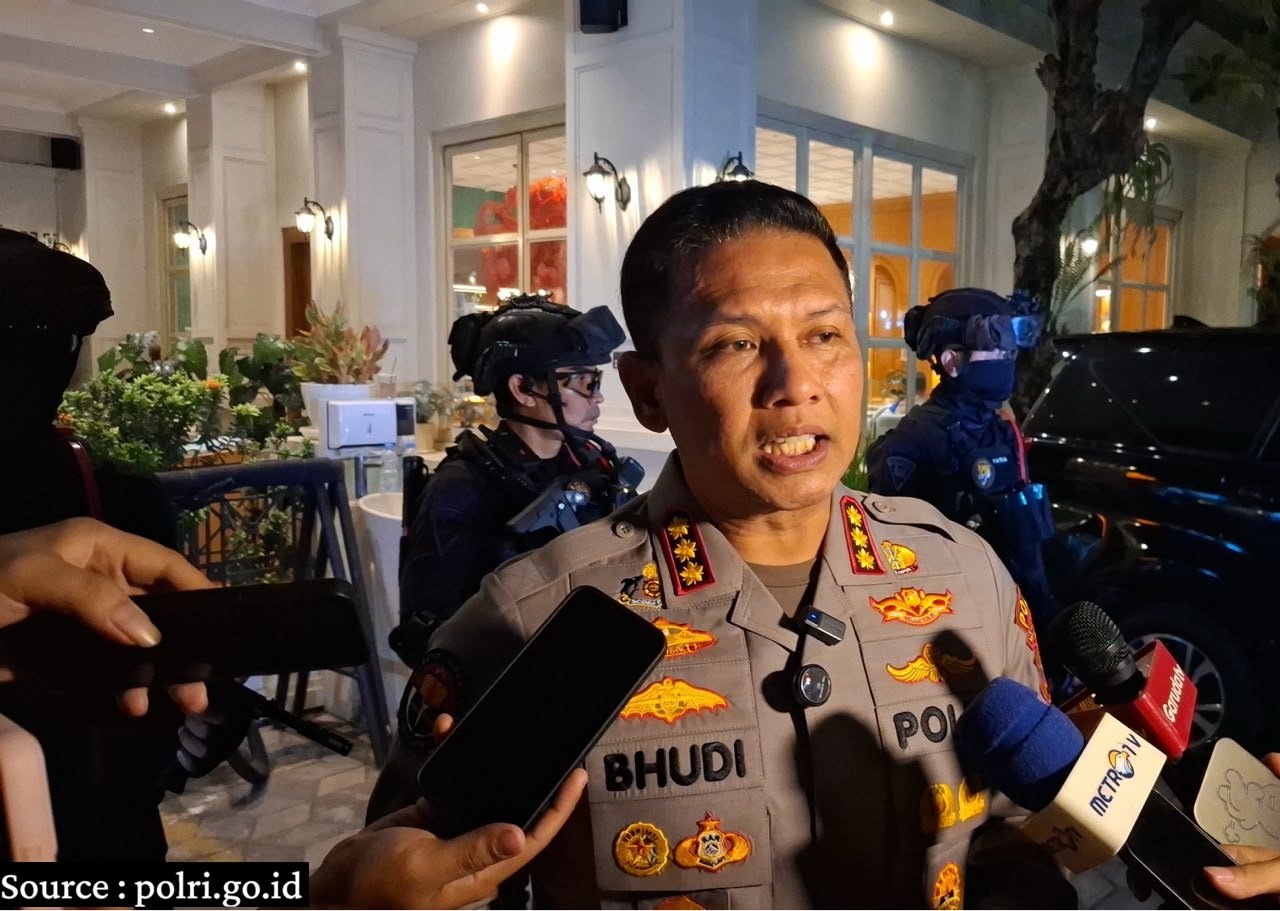
Indonesian Military spokesperson, Brigadier General Muhmmad Nas speaking to reporters. X.com/ @chaaaaww
Such reaction from the military along with their eagerness to protect the suspected Ardiansyah comes from the rivalry between the police and military as well. On the surface the police and the military vows to cooperate, however this is not the first time where institutions clashed. Although the clash is not frequent it is often enough for it to be a concern. With the two institutions carrying significant weight within Indonesian politics, the rivalry stems from competition for prestige, budget, control over security operations and public reputation.
Indonesian netizens were quick to criticize the military and the AGO’s action for appropriating state resources for institutional interest. Many also pointed to the irony of civilians receiving excessive punishment before the law while accused public officials enjoy protection from armed military personnel. Some even poked claiming while the military is incapable of war, they are capable of guarding corrupt officials.
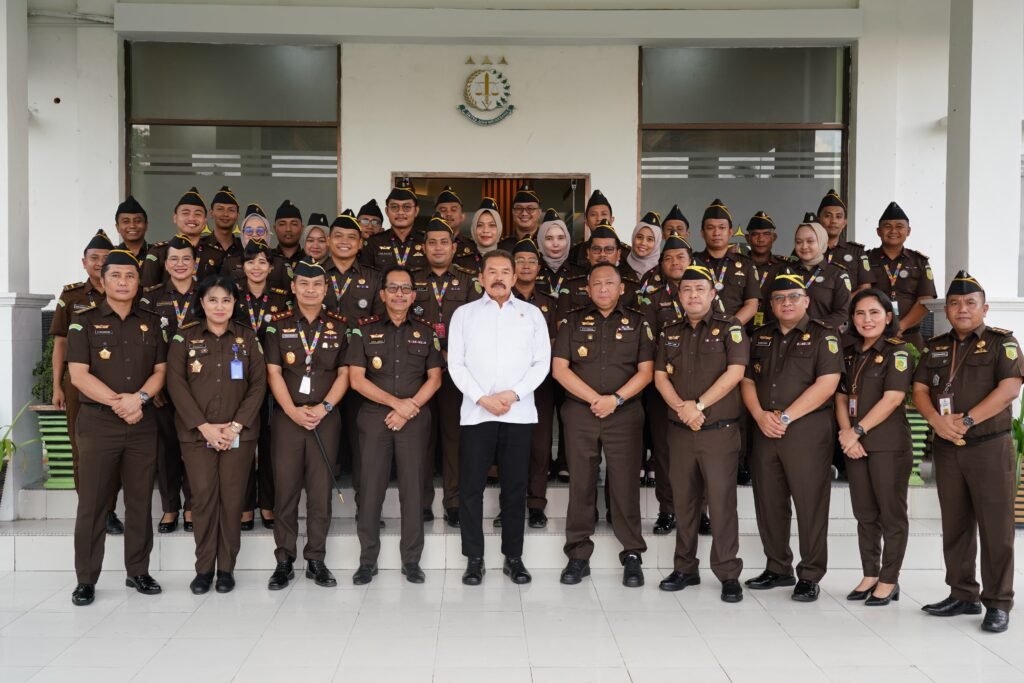
Indonesian attorney general office staff. Source : kejaksaan.go.id
AGO voiced their stance claiming that they are committed to support law enforcement that is professional, objective, transparent and accountable to all law enforcement officials in accordance with their roles. “Therefore, we respect the entire ongoing investigation process in accordance with statutory regulations,” said Anang Supriatna, Head of the Legal Information Center. The presidential palace has yet to provide comments.
Han Kyeol Kim is an editor in Southeast Asia Analyst.