In essence, Malaysian manufacturers are pushing to further eliminate tariffs while it is cheaper to export to the US.
Editor – Southeast Asia Analyst.
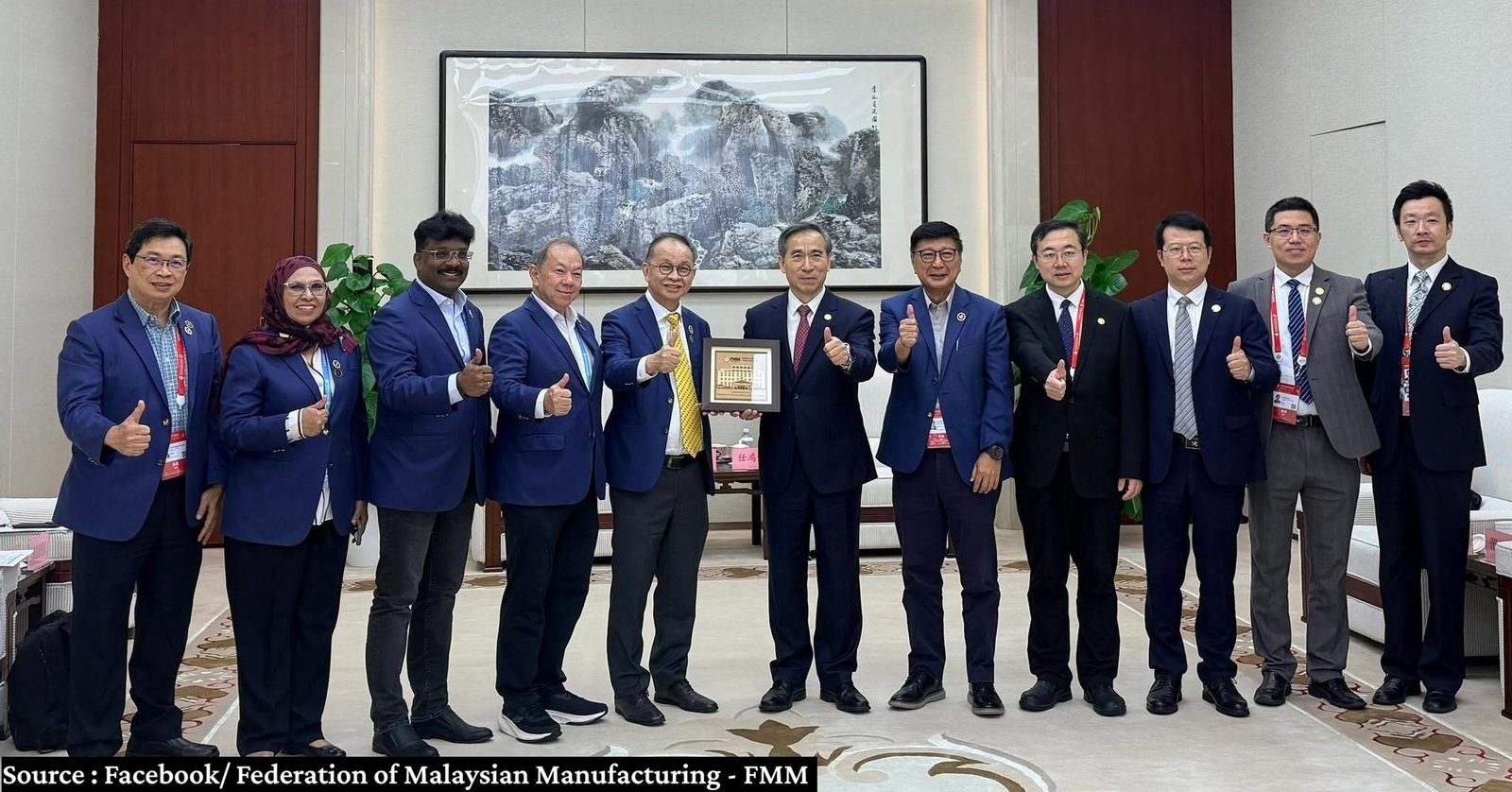
On July 5th, the Federation of Malaysian Manufacturers (FMM) submitted a written comment to the office of United States Trade Representative (USTR) asking for a balanced policy to avoid implementing blanket tariffs which will hurt compliant manufacturers. This comes after the US proposed section 301 tariff action on goods from economies accused of lacking import bans on products made with forced labour. Malaysia remains as a country that failed to screen imported goods made with forced labour in the USTR’s list.
In the submission, the FMM emphasized that many Malaysian manufacturers exporting to the US are already compliant to existing customer driven requirements, audits, supplier code of conducts and traceability obligations. It also underlined the possible burdens US importers and consumers could face with the additional tariffs.
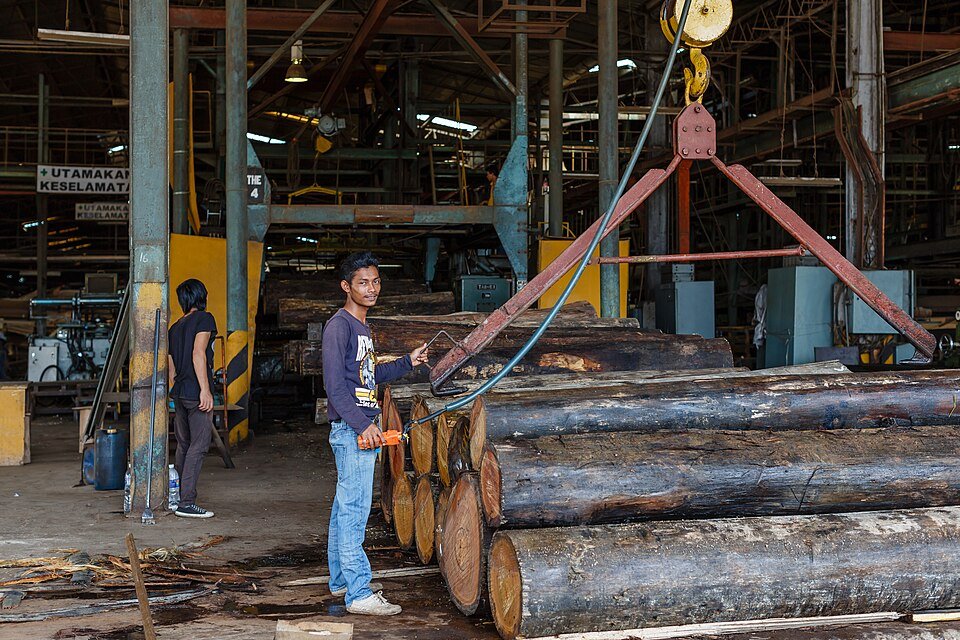
plywood factory in Sabah, Malaysia. Source : Wikimedia Commons
The move from the FMM comes as the Malaysian Ringgit climbed against the US dollar consistently throughout last week compared to other Southeast Asian countries. Experts believe the weaker than expected US employment is to blame for the weakening dollar. In essence, Malaysian manufacturers are pushing to further eliminate tariffs while it is cheaper to export to the US.
Among Southeast Asian countries, Malaysia is one of few countries that enjoys the lowest of tariffs on its goods entering the US. It has reached 19% from the previous 24% through agreeing to limit or eliminate tariffs on US goods entering the Malaysian market and facilitating US investment in the country.
FMM President Jacob Lee Chor Kok added that the federation fully supports eliminating forced labour from global supplies but stressed that any additional tariffs should not unfairly affect manufacturers that already comply with stringent labour standards.
President Lee also pointed to the Inter Agency Task Force on Forced Labour, announced by Investment, Trade and Industry Minister Datuk Seri Johari Abdul Ghani in Parliament on June 23, as proof that the country is committed to tackling forced labour. Since the announcement from Minister Ghani, the Task Force mainly focused on creating legal mechanisms to screen imported goods entering the country.
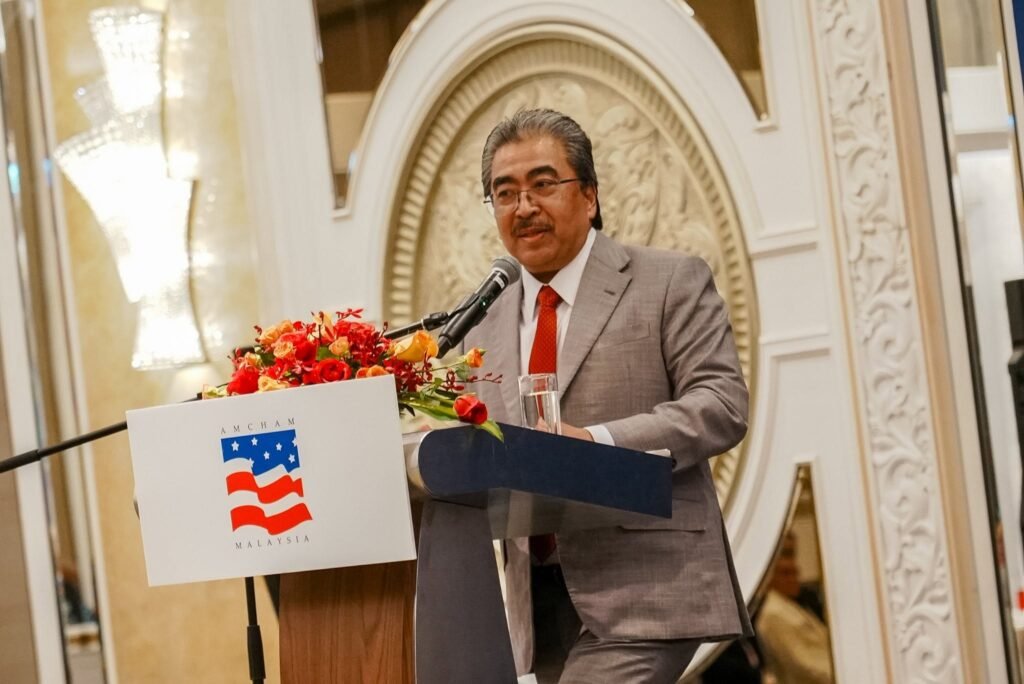
Investment, Trade and Industry Minister Datuk Seri Johari Abdul Ghani address crowd in an American Chambers Malaysia event. Source : Facebook/ @joharighaniofficial.
Neither the Malaysian nor the US government has yet to provide a response to the FMM’s comment. The public discourse online on the other hand remains largely polarized.
Some admitted that Malaysia in fact failed to comply with anti force labour laws due to its status as a developing country that seeks to cut costs. More chimed in and detailed how not only factories and but even small to medium service businesses employ illegal migrants who over stay their visa. One user even claimed that Malaysian companies are too stubborn to invest in machineries and rely on cheap foreign labour, keeping salaries repressed in the country.
Others rebutted the decision from the US pointing out the country’s use of “forced labour” within their prison systems and cheap e-commerce goods flooding their borders daily with little to no supply chain oversight as hypocritical and a tactic used to slap on protectionist tariffs.
Malaysian human rights council visit migrant workers dormitory for an interview. Source : Facebook/ SUHAKAM
There are truths in both sides of the argument. Wages in Malaysia have been stagnant and did not keep up with increasing living costs. A major factor is the continued reliance on cheaper foreign labourers who are victims themselves of exploitative practices by their employers such as debt bondage and passport confiscation. With slow wage growth, reduced consumer spending will follow, eventually resulting in a sluggish economy.
The US too is not without blame in this affair. Numerous cases around the world reveal the superpower’s foreign policy through aid and sanctions that aims to limit growth for developing economies and prevent them from being established manufacturers. This includes sanctions on Vietnam during the cold war and creating aid dependency in Laos from 1955 to 75. Effects of these US foreign policy decisions are still apparent to this. With such a pattern the US’s decision could be politically motivated as opposed to a value based approach.
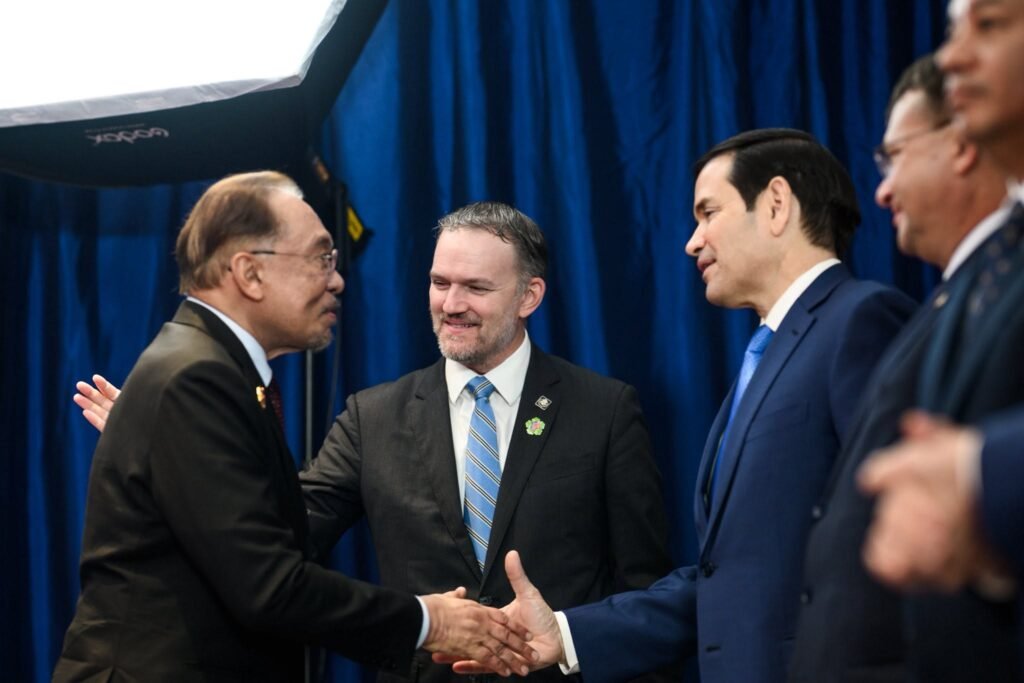
Malaysian Prime Minister Anwar Ibrahim, US trade representative Jamieson Greer and US State Secretary. Facebook/ Office of the U.S. Trade Representative
The FMM’s request to the USTR to reconsider its approach towards blanket tariffs is an expected move. However a graver issue remains untended. Even if the USTR were to remove blanket tariffs to compliant Malaysian manufacturers and increase revenue as a result, there is no guarantee that Malaysia’s working populations will also benefit from the reduced or eliminated tariffs. While the Federal government took the issue of reducing tariffs greatly it must also invest the same or more effort into ensuring that the benefits of the reduced tariffs are shared by the wider public.
Jasmine Pingol is an Archipelagic Southeast Asia columnist for Southeast Asia Analyst, based in Manila.