Domestically, Malaysia should continue to provide emergency relief to anyone seeking asylum on humanitarian grounds, both as a matter of principle and to protect its international reputation.
Editor – Southeast Asia Analyst
Despite not being a signatory of the 1951 Refugee Convention, Malaysia abides by the principle of non-refoulement, which is widely regarded as customary international law prohibiting states from expelling, returning, or extraditing individuals to countries where they face a clear risk of persecution, torture, cruel treatment, or threats to life and freedom.
Refugees have always been a contentious topic in Malaysia. The country often receives the arrival of asylum seekers from conflict areas in Southeast Asia due to its geographical proximity. On the domestic front, the presence of asylum seekers is widely perceived as a source of security concerns and sparks debate on the rightful use of public funds. Internationally, the Malaysian government recognises the need to exercise its burden-sharing responsibilities amid conflicts occurring in its neighbouring countries, in this case Myanmar.
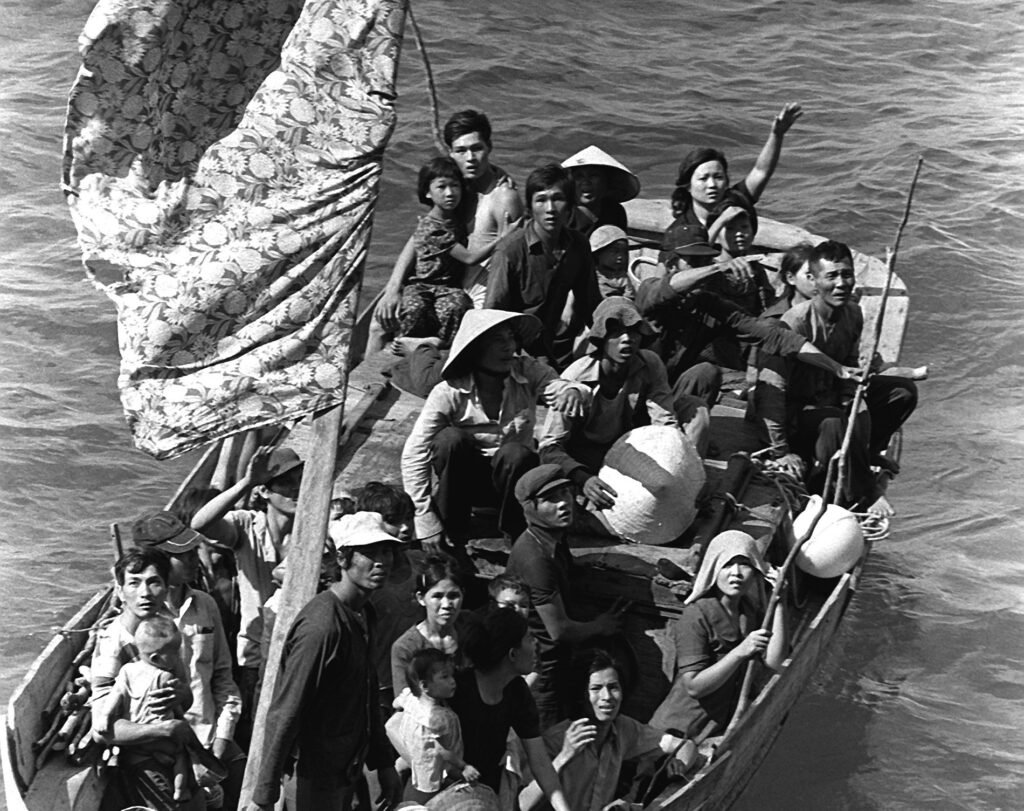
35 Vietnamese refugees wait to be taken aboard the amphibious command ship USS BLUE RIDGE. Source : Wikipedia
Malaysia first hosted asylum-seeking communities in 1975, coinciding with the Fall of Saigon. Therefore, UNHCR Malaysia was established upon invitation by the government in the wake of the Vietnam War. During its height, a considerable number of Vietnamese ‘boat people’ washed up on Malaysia’s shores. The boat people arrived on the Malaysian shores and sought help in the coastal towns on the East Coast, notably Bidong Island (Pulau Bidong) in Terengganu. Pulau Bidong was gazetted as a refugee camp in 1978 and operated as a transit centre until its closure in 1991, as refugees in Malaysia sought resettlement in third countries like the US, Canada, Australia and France.
After the resettlement of the Vietnamese refugees in the early 1990s, UNHCR Malaysia had continued to assist asylum seekers in Malaysia, though on smaller scales. It was not until 2017 when Malaysia saw another surge in asylum seekers as the Rohingya Crisis in Myanmar broke out due to the military crackdown.
Rohingya is an ethnic Muslim minority which has long been stateless in Myanmar, a Buddhist nationalist state. They faced institutionalised discriminatory laws in Myanmar. Besides the Rohingya, the other non-Buddhist tribes, such as the predominantly Christian Chin community are also marginalised in Myanmar and sought protection in nearby countries, such as Bangladesh, Thailand, and Malaysia.
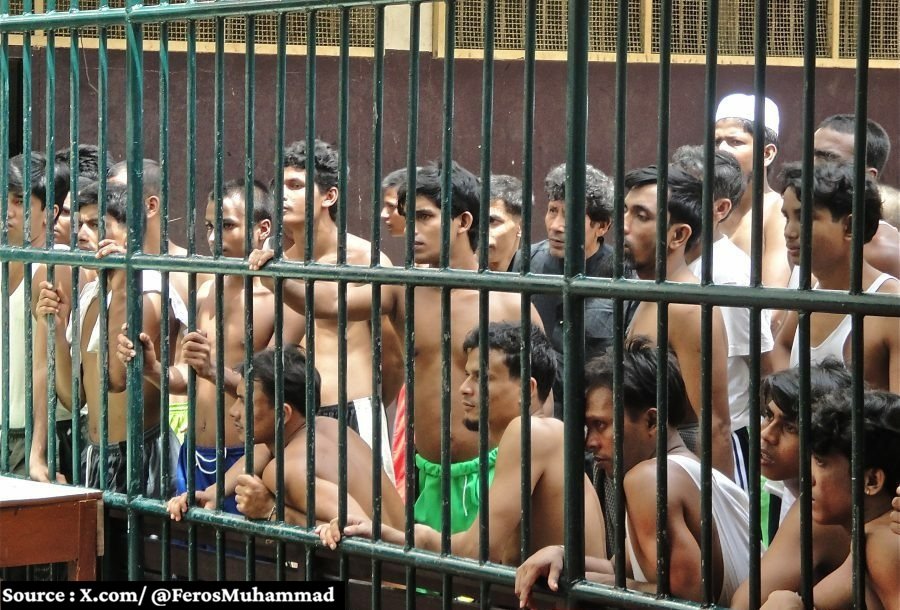
Rohingya integrated schook of excellence in Malaysia. Source : X.com/ @mbachelet
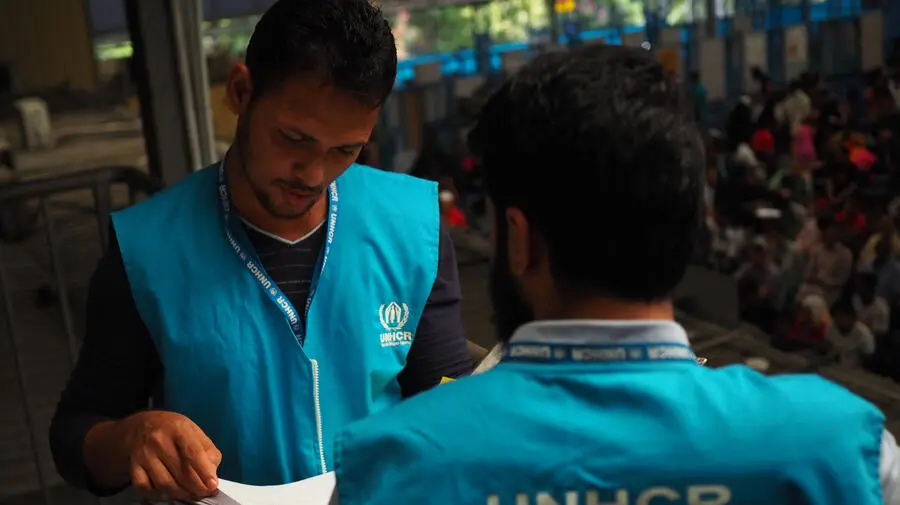
Initially, the Malaysian government was accepting of the Rohingya community on both the grounds of humanitarianism as well as Muslim brotherhood. UNHCR played a coordinating role in issuing refugee cards to asylum seekers in Malaysia, and to process their applications for asylum and later resettlement in the third countries. While the refugee cardholders are not entitled to legal employment in Malaysia, they often seek informal employment to make ends meet. While children and teenagers cannot be enrolled in public schools, there are many learning centres dedicated to refugees to ensure they receive quality education.
However, there is a notable shift from acceptance to growing antagonism towards Rohingya refugees in Malaysia. Years after the Rohingya crisis in Myanmar, the refugees settled in Malaysia caused social friction with local communities due to cultural differences. Locals perceive the Rohingya community as a nuisance due to hygiene and potential security concerns. More broadly, locals also think that hosting refugees equates to wasting public funds. In recent years, the rise in online disinformation and hate speech targeted at the Rohingya community has strongly impacted the public perception. Alongside rising online hate speech is the global antimigrant sentiments reinforced by the rise of far-right rhetoric.
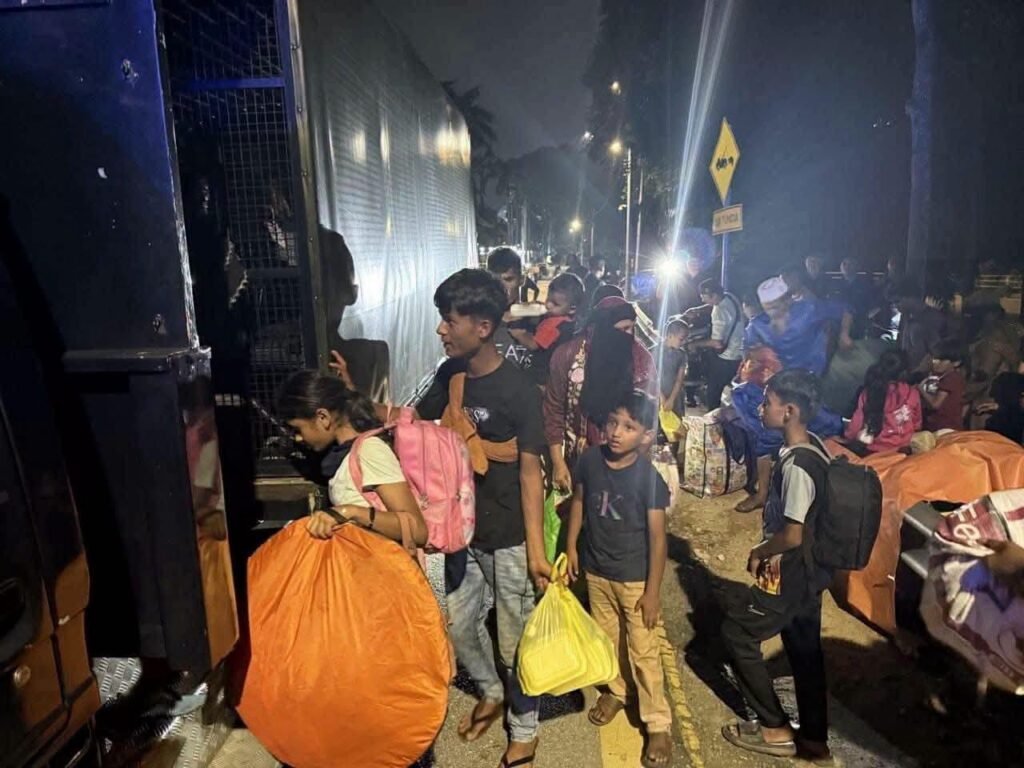
Rohingya refugees being transported by Malaysian Authorities. Source : facebook/ Ro Khin Maung
In July 2026, the Malaysian government announced the multiphase repatriation of 5000 Myanmar nationals and assured that those involved had been deemed safe to return to Myanmar. In fact, the first phase of repatriations began in September 2026, involving the return of 1,476 Myanmar nationals. However, this announcement has sparked widespread concerns over safety, especially arising from the civil society organisations in Malaysia and abroad.
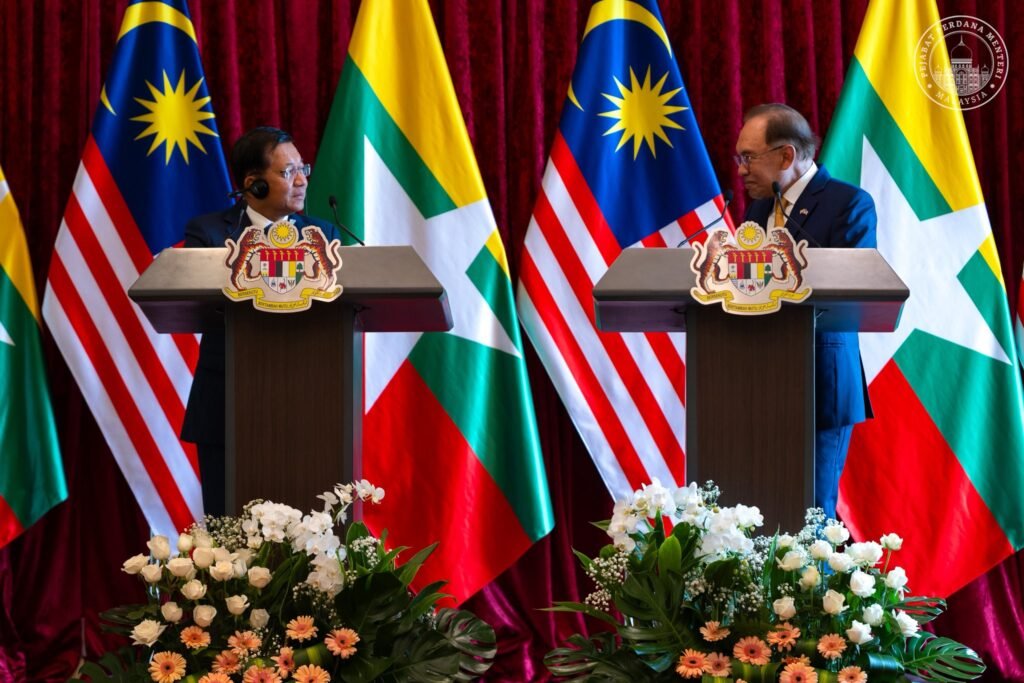
Malaysia is one of the ASEAN Member states that receives Rohingya asylum seekers from Myanmar. This raised comments on the lack of burden sharing among fellow ASEAN members. The effectiveness of ASEAN as a regional organisation also hinges on the extent to which crises within the region get resolved. Stronger pressure should be placed on Myanmar, the instigator of the crisis, to minimise human security issues. In the current world order where multilateralism is collapsing, anti-migration sentiments are on the rise, International organisations, UNHCR included, are facing funding cuts due to the waning relevance and the US’s isolationist policy. International organisations are affected by the erosion of multilateralism, most notably demonstrated through funding cuts. At the same time, in Southeast Asia there is a growing normalisation of the military-backed government in Myanmar, especially given that the Malaysian PM is hosting Myanmar President Hlaing in VIP fashion.
UNHCR Malaysia workers. Source : unhcr.org
Domestically, Malaysia should continue to provide emergency relief to anyone seeking asylum on humanitarian grounds, both as a matter of principle and to protect its international reputation. Small steps are already taken, Malaysia’s Ministry of Home Affairs recently launched its inaugural national refugee registration system, signalling an effort to take management of the issue into its own hands rather than leaving it to UNHCR. This should be accompanied by strong security screening, public education on identifying disinformation, and hygiene education by local authorities, which directly address the concerns driving local-refugee friction.
Myanmar President Hlaing received by Malaysia Prime Minister Anwar Ibrahim. Source : X.com. @anwaribrahim
Regionally, Malaysia, alongside other ASEAN Member States should collectively put pressure on Myanmar’s military government and call it out for the atrocities it has committed, rather than normalising the government. While ASEAN thrives on consensus and consultation, the Myanmar issue is its Achilles’ heel. Progress on this matter would determine the extent to which ASEAN can work as an effective regional mechanism. ASEAN doesn’t have to start from scratch; the next step would be to ensure the enforcement of the Five-Point Consensus.
Emelyn Chen is a Master’s graduate in International Relations from the S. Rajaratnam School of International Studies (RSIS), Nanyang Technological University (NTU). Her research interests range from domestic politics in Malaysia to how global structural dynamics and international relations shape domestic policies.