Such an unusual arrangement between Myanmar and its fellow mainland Southeast Asian states where they hold diplomatic ties in all but name raises questions on Myanmar’s position in ASEAN.
Editor – Southeast Asia Analyst
Malaysian Prime Minister Anwar Ibrahim announced on 16th September that Malaysia will host Myanmar’s general turned President Min Aung Hlaing given that Myanmar will take back the Rohingya refugees in Malaysia. This was a reiteration from Anwar’s statement in July where he claimed that Myanmar has agreed to take 5000 Rohingya asylum seekers.
“Why did I invite him? I invited him because I want to tell him that we can be friends and trade. We can accept Myanmar, but they must accept (its refugees) back,” Anwar said. He added that the repatriation could be carried out in stages if Myanmar was unable to receive all 200,000 refugees at once.
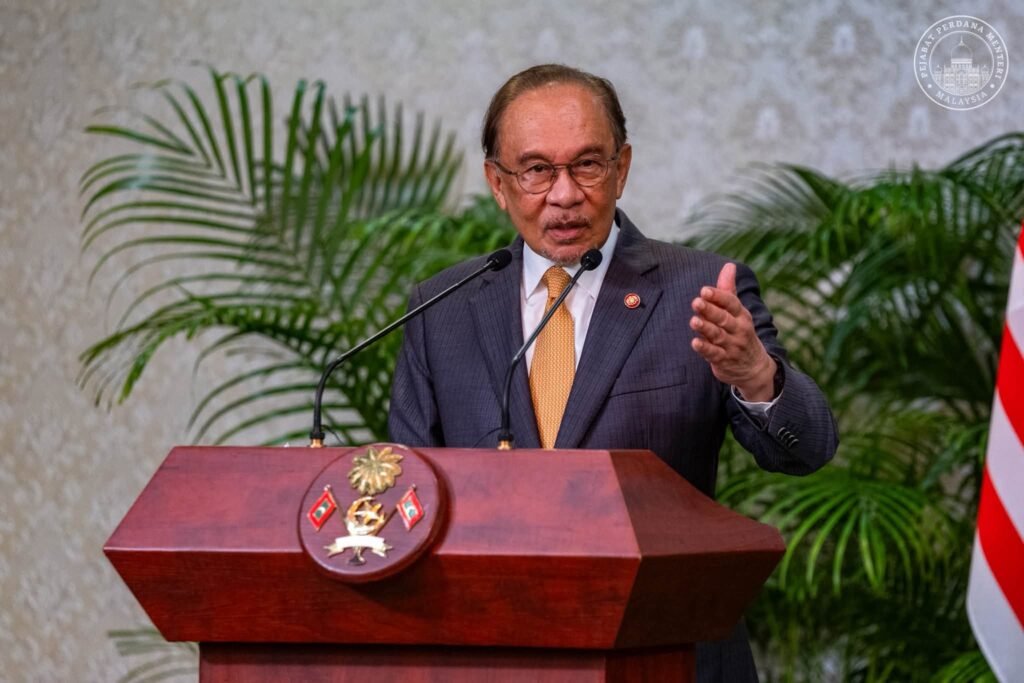
Malaysian Prime Minister gives a speech. Source : facebook/ Anwar Ibrahim
An exodus of the Rohingya people who are primarily based in Myanmar’s Rakhine state resulted in them finding refuge in various parts of South and South Asia even before the Coup in February 2021. They often fall victim to xenophobia and discrimination by the host population. Malaysia as the country that hosts the second largest Rohingya refugee population is no different. Hatred against the refugees surged especially in recent months.
“Right after the Rohingya crisis circa 2017 Malaysians were more accepting of the asylum seeking communities on the basis of Muslim brotherhood, But after so many years, Rohingyas are criticised for being dirty, uncivilised and uneducated…. Then again they were already stateless people in Myanmar with no access to education and human rights so you can’t really blame them either.” Explained Ms. E, Malaysian contributor for Southeast Asia Analyst who requested to be anonymous.
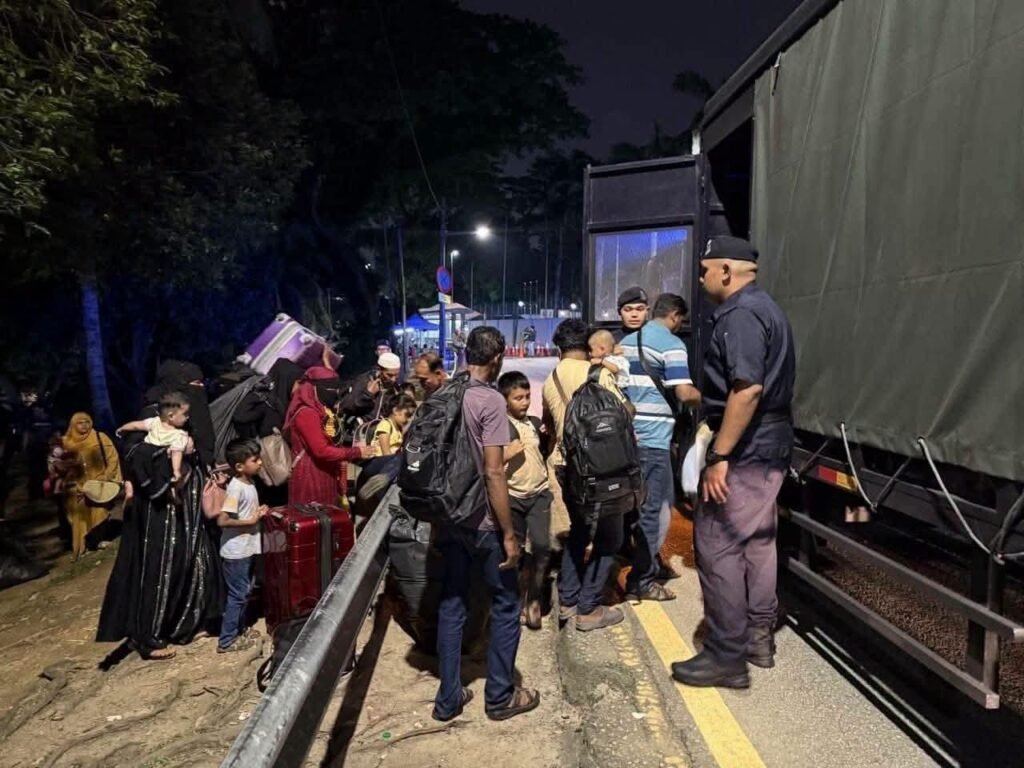
Rohingya refugees board truck under Malaysia authorities supervision. Source : facebook/ Roh Khin Maung
The current military controlled Myanmar government denies the ethnic identity, citizenship rights, and native status of the Rohingya people, going as far as to referring to them as “Bengali.” Despite this they were groups to be first targeted for conscription once the military started to face troop shortages. “Under customary international law … no one should be sent to a country where their rights or freedoms may be at risk. Any refugee return must be voluntary, based on an informed decision, and take place in conditions of safety and dignity,” explained UNHCR in an emailed statement to Reuters.
“NGOs criticised the government for sending refugees back despite the political instability, disregarding security of the refugees” added Ms. E.
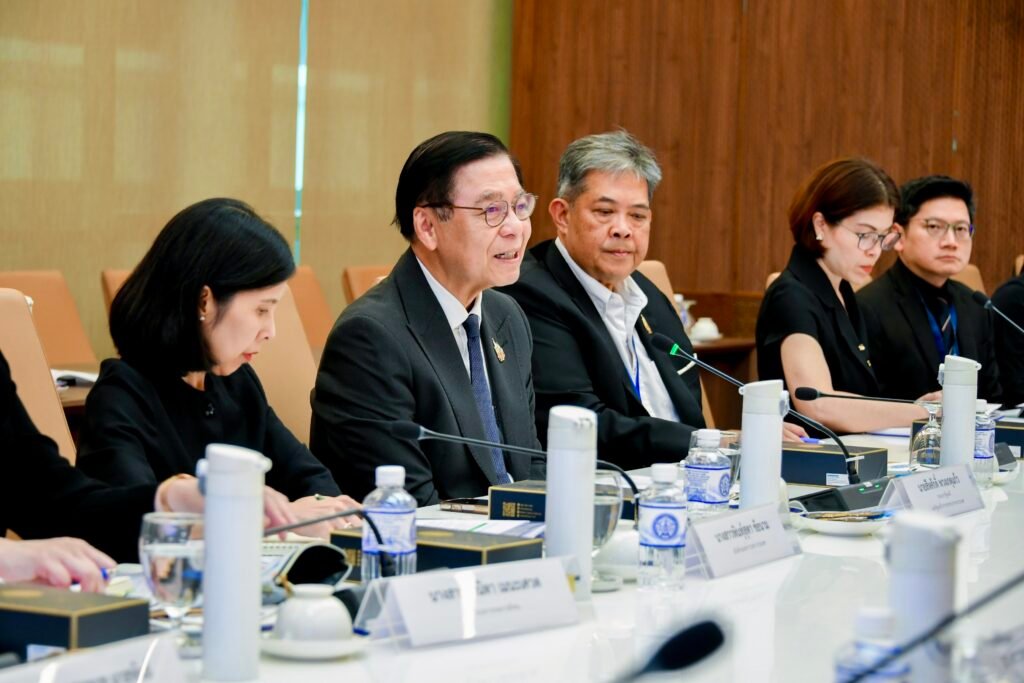
Thai Foreign Minister Sihasak Phuangketkeow. Source : mfa.go.th
This makes Anwar’s decision to repatriate refugees along with his willingness to engage with Min Aung Hlaing even more questionable. However Anwar is not the first Southeast Asian head of state to engage with a former Junta leader. Although on paper mainland Southeast Asian countries do not formally recognize Hlaing’s government, since April, every mainland Southeast Asian country has hosted Hlaing on the basis of security and economic cooperation and framed their interaction as “calibrated engagements.” Thai Foreign Minister Sihasak Phuangketkeow defended Bangkok’s invitation to Min Aung Hlaing claiming that it is done in the interest of pragmatism. This resulted in civil society organizations staging protests outside of Thai embassies in major cities such as Tokyo, Seoul and Canberra. Most archipelagic Southeast Asian countries remain firm in their refusal to engage with Hlaing’s government.
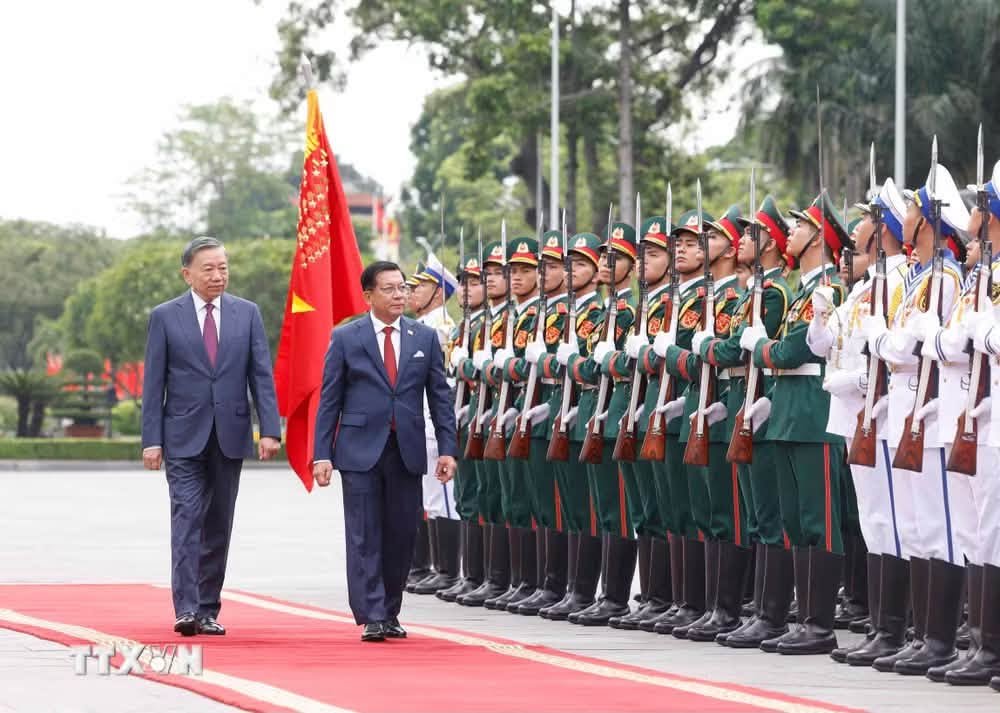
Vietnam hosts Myanmar President Min Aung Hlaing. Source : facebook/ MOFA Viet Nam
“In a world where might makes right and strategic interests take precedence over democratic rights and values, it is not surprising that these countries roll out the red carpet for Myanmar’s regime leader,” said Naing Min Khant, analyst from Institute for Strategy and Policy – Myanmar.
The bigger question remains on how this will affect Myanmar’s attendance in the coming ASEAN summit “It might be difficult for Myanmar to participate at the high-level meetings of ASEAN, but the engagements are ongoing. International or regional politics is always unpredictable. If Myanmar somehow agrees to some ASEAN key points, I am not surprised that they will be invited though.” said Dr. Ameli Liwe Assistant Professor of International Relations from Pelita Harapan University.
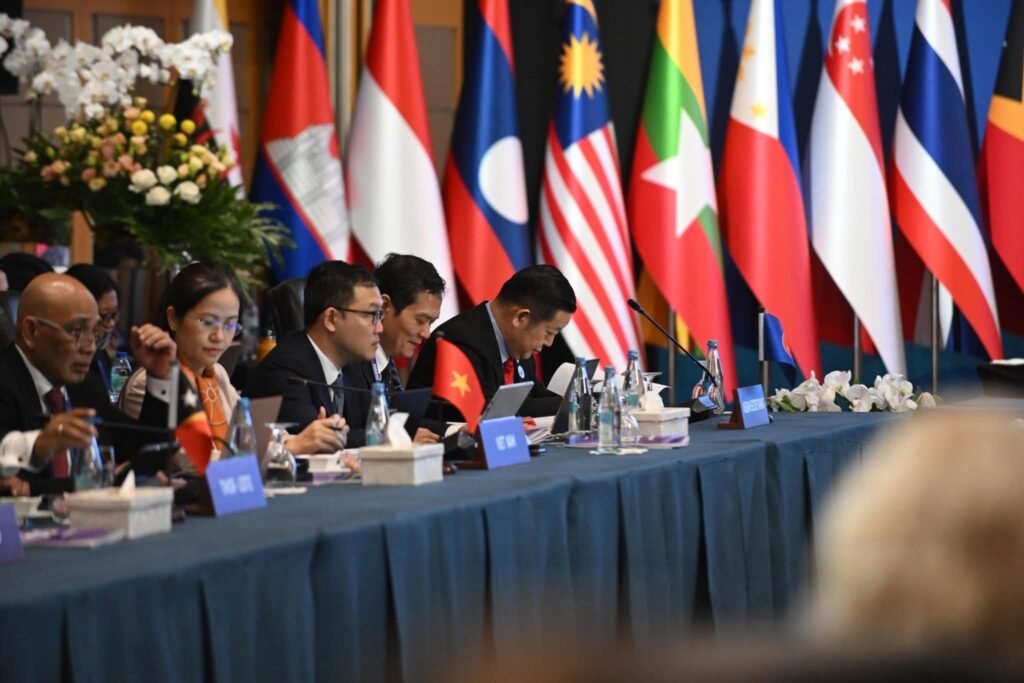
Flags of Southeast Asian countries displayed in an ASEAN meeting. Source : facebook/ ASEAN
Such an unclear arrangement between Myanmar and its fellow mainland Southeast Asian states where they hold diplomatic ties in all but name raises questions on Myanmar’s position in ASEAN. The aforementioned bilateral engagements are conducted to fill in the gap created with Hlaing being barred from attending ASEAN summits. The situation becomes more ambiguous considering Hlaing and the Myanmar parliament rejected the 5 point consensus in July 2026, claiming that they do not reflect Myanmar’s political realities.
Han Kyeol Kim is an Editor in Southeast Asia Analyst